
Vienna's iconic chocolate cake — a dense, intentionally slightly dry chocolate sponge split horizontally and filled with apricot jam, then coated with a glossy dark-chocolate glaze that sets to a clean, crackle-free finish. Served with unsweetened whipped cream on the side (Schlagobers). The most-imitated and most-litigated cake in Austrian history — the postwar 'Sacher War' between Hotel Sacher and Café Demel over the right to the name 'Original Sachertorte' (and whether the apricot jam sits in the middle of the cake or only under the glaze) was fought for years through the 1950s, with the case decided in the early 1960s.




By the celebrated origin story, Sachertorte was devised in 1832 by 16-year-old apprentice Franz Sacher at the Habsburg court, called on at short notice to produce a dessert for a banquet of Prince Klemens von Metternich. This romantic 'genius apprentice' tale is the one Hotel Sacher tells, but historians regard it as a legend likely embellished later by the Sacher family to appeal to imperial nostalgia — Franz himself, in a 1906 interview, said he created the cake in the 1840s at his own restaurant in Pressburg. Whatever its true beginnings, Franz's son Eduard Sacher perfected the recipe and opened Hotel Sacher in 1876, where the cake became internationally famous. The famous 'Sacherkrieg' (Sacher War) was a decades-long dispute between Hotel Sacher (with the family recipe) and Café Demel (which had obtained a recipe from Eduard's grandson); the active court battle ran through the 1950s, and in the early 1960s the courts awarded the name 'Original Sachertorte' to Hotel Sacher while Demel's version was renamed 'Eduard-Sacher-Torte' — a final settlement on the exclusive 'Original' name came out of court in 1965. The defining technical features are: (1) the chocolate-sponge base is slightly DRY (intentionally — to absorb syrup and jam), (2) the apricot-jam filling layer (always two layers in the canonical hotel version), (3) the glassy chocolate glaze that sets without cracking. Served with unsweetened cream — sweetness from cream would clash with the cake's intense chocolate.
Sachertorte is the most-disciplined dessert in Europe. The first bite: the glassy chocolate glaze cracks cleanly under the fork — no shards, no flaking. The cake itself is dense, slightly dry, intensely chocolate. Then the apricot jam: bright, tart, fruit-forward, cutting through the chocolate like a knife. Then unsweetened cream from the side: cool, soft, neutral against the rich cake. The Schlagobers (cream) is critical — sweetened cream would make this cake one-note; unsweetened cream creates the third axis. Sachertorte is intentionally not creamy or moist (unlike American chocolate cakes); the dryness is a feature, not a flaw — designed to be eaten with cream. A small slice + a cup of strong Viennese coffee = the perfect afternoon.
Three technical signatures: (1) Slightly-underbaked sponge — intentionally dry to absorb the apricot jam and syrup without becoming soggy. (2) The apricot jam layer is sieved smooth and brushed thin — creates a fruit-acid layer that contrasts with rich chocolate. (3) The glaze is a chocolate-syrup, not a ganache — sugar syrup + chocolate cooled to roughly 35°C and poured while still warm gives the glassy crackle-free finish that sets without refrigeration (a glaze poured cold goes dull). The Hotel Sacher version uses TWO layers of apricot (Demel uses one) — the doubled fruit-acid was the very point picked over in the lawsuit. Storage is notable: Sachertorte keeps about 2 weeks at room temperature unrefrigerated due to the high sugar/cocoa/jam content; refrigeration ruins the glaze.
Variations
Hotel Sacher canonical (2 apricot layers); Café Demel version (1 apricot layer); 'Eduard-Sacher-Torte' (Demel's legal name after the Sacherkrieg ruling); home version uses store-bought apricot jam; modern bakeries add orange zest or orange liqueur; chocolate-coffee variation; gluten-free with almond flour; the dish is intentionally rich + dry — modern American 'moist' versions are NOT Sachertorte; Vienna gift shops sell Hotel Sacher's authentic version shipped worldwide in wooden boxes.
On the Palate
Where Sachertorte sits in the Austrian flavor cloud
Pull the sponge while a skewer still shows a few moist crumbs — a deliberately slightly-underbaked, dryish cake soaks up the jam and glaze instead of going soggy — and pour the chocolate glaze warm at about 35°C in one motion for that glassy, crack-free finish.
Ingredients
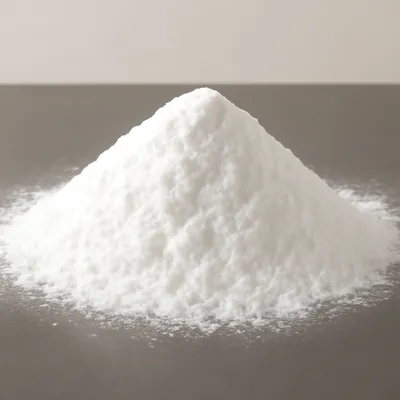
Serves 10

How it's made
15 steps · 1 hour 30 min active + 1 hour 30 min waiting
- 13 min
Preheat oven to 175°C. Butter and flour a 23cm round springform pan.
- 25 min
Make the cake: in a stand mixer beat 150g softened butter + 100g powdered sugar + 1 tsp vanilla extract until very pale and fluffy, 5 min.
- 35 min
Beat in 6 egg yolks (room temperature) one at a time.
- 45 min
Melt 130g 70% dark chocolate in a double boiler; cool slightly. Add to the butter mixture; mix on low.
- 55 min
In a separate clean bowl whip 6 egg whites + 100g caster sugar to stiff peaks (start slow, add sugar gradually).
- 65 min
Fold 1/3 of the whites into the chocolate batter to lighten. Then gently fold in the rest in 2 additions.
- 75 min
Sift 140g all-purpose flour over the batter in 3 additions, folding gently each time. The batter should remain airy.
- 855 min
Pour into the prepared pan; smooth top. Bake 50-55 min until a skewer inserted comes out with just a few moist crumbs (NOT completely clean — the cake should be slightly underbaked).
Watch outThe skewer should come out with a few moist crumbs, not clean — that slight underbake is what lets the cake drink the jam.
- 970 min
Cool in pan 10 min; remove ring; cool completely on a rack (about 60 min).
- 103 min
Slice the cake horizontally into 2 layers (canonical Hotel Sacher version) or leave whole (Demel version).
- 1112 min
Heat 350g good-quality apricot jam in a saucepan with 1 tbsp water + 1 tsp rum; pass through a fine sieve. Brush a generous layer onto the bottom cake layer; replace top. Brush more apricot jam on top + sides until cake is fully covered with a thin layer.
- 127 min
Make glaze: in a saucepan combine 200g sugar + 130ml water. Bring to a boil; cook 3-4 min until syrup. Off heat, add 130g 70% dark chocolate (chopped); stir gently until smooth. Cool to 35°C (still pourable but not too hot).
Watch outCool the glaze to about 35°C — pourable but not hot — before it goes on; too hot and it runs off thin.
- 133 min
Place the cake on a wire rack over a sheet pan. Pour the warm glaze in one motion over the center, letting it spread to fully coat. Don't smooth with a spatula (would mar finish). Tap the pan gently to even.
Watch outPour in one motion and let it self-level — don't touch it with a spatula, or the mirror surface tears.
- 1435 min
Let glaze set at room temperature 30-45 min (NOT in fridge — would dull the glaze). Optional: pipe 'Sacher' in chocolate on top.
- 152 min
Serve slices at room temperature with unsweetened whipped cream on the side. Cut with a hot, wet knife for clean slices.
Archive tool suggestions — not reviewed
These legacy suggestions have not been evidence-reviewed and are not presented as required tools.

Flat rectangular metal pan (sheet pan, half-sheet, quarter-sheet), 33×23 cm to 45×33 cm, with a low rim. The flat surface gives even heat for cookies, biscuits, roasted vegetables, sheet-pan dinners. Heavy aluminum sheets conduct heat fastest; non-stick coatings make cleanup easier but can warp over 200°C; rimmed half-sheet is the modern American restaurant standard.

Round metal pot, 14-26 cm diameter, with vertical walls and a long handle, designed for sauces, soups, oatmeal, rice, boiled vegetables. The vertical walls minimize evaporation (vs. a sauté pan). Sizes: 1 qt for melting butter, 2-3 qt for sauces, 4 qt for soups. Stainless-steel-clad aluminum or copper is best for conduction; cast-iron is too thick for delicate sauces.


