
Vienna's torn-pancake dessert — a fluffy pancake batter cooked in butter, then theatrically TORN apart in the pan with two forks (never sliced), caramelized in butter and sugar, finished with raisins, and served warm with powdered sugar + plum or apple compote (Zwetschkenröster). The name means 'Emperor's mess' — referring to Emperor Franz Joseph I, who allegedly loved this 'broken' pancake.


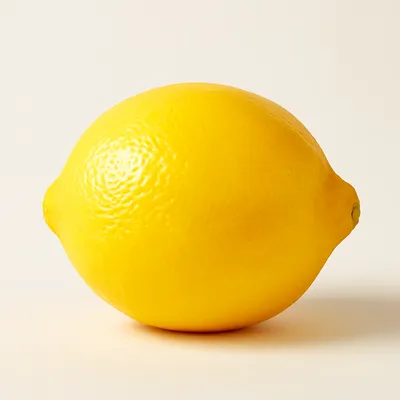

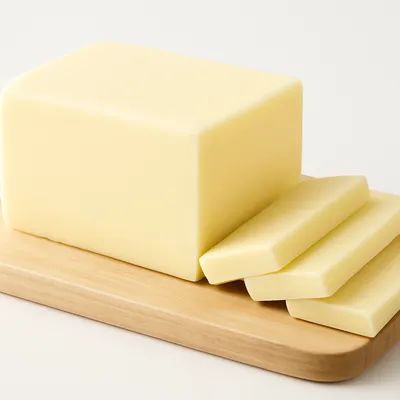
Kaiserschmarrn ('Emperor Schmarrn') is a Viennese-Tyrolean creation, supposedly named after Emperor Franz Joseph I's preference for the dish. Multiple origin stories exist: (1) Joseph's wife Empress Elisabeth ('Sisi') rejected the dessert for being too rich, prompting the cook to call it 'just Schmarrn' (Austrian for 'nonsense/junk') and the Emperor ate it gladly. (2) An alpine farmer's wife served a torn pancake to Franz Joseph when proper pancakes failed; he loved it. The defining technique is the TEARING — the pancake must be ripped, not sliced, creating irregular bite-sized pieces that caramelize unevenly in butter and sugar. Modern versions add rum or rum-soaked raisins; Tyrolean variants include nut-crusted pieces.
Kaiserschmarrn is comfort food at its most refined-yet-rustic. The first bite: a torn chunk of pancake — fluffy and barely-sweet on the inside, crispy and caramelized at the irregular edges. The rum-soaked raisin bursts; the powdered sugar dissolves on the tongue; the plum compote on the side provides bright fruit-acid contrast. Each forkful is a slightly different texture — some pieces more crispy, some more soft, some with raisin, some without. The chaos is the design. A cup of Viennese melange (espresso with milk foam) alongside. Sunday afternoon at a Vienna café.
Two key technical principles: (1) Whipped egg whites folded into the batter create the puffy soufflé-like interior — like a Japanese soufflé pancake but tearable rather than precious. (2) The tearing creates IRREGULAR surface area which then caramelizes in butter + sugar — flat slicing would give uniform pieces that brown less interestingly. The bite-sized irregular chunks have more surface area for the Maillard browning to develop. Resting raisins in rum hydrates them + adds alcohol flavor (alcohol mostly cooks off in the pan but flavor compounds remain). Plum compote alongside is the canonical Austrian pairing — sweet and slightly tart, the fruit-acid cuts the buttery sweetness.
Variations
Vienna canonical (with raisins + powdered sugar + plum compote); Tyrolean version (with toasted slivered almonds caramelized in the pan); modern with apple chunks added to the batter; without rum-raisins (for kids); with nut crumb crust; Salzburg version is slightly thicker; modern restaurant 'gourmet kaiserschmarrn' might be flambéed with rum tableside; the dish is shockingly easy at home — 30 min from start to finish.
On the Palate
Where Kaiserschmarrn sits in the Austrian flavor cloud
Ingredients
Serves 4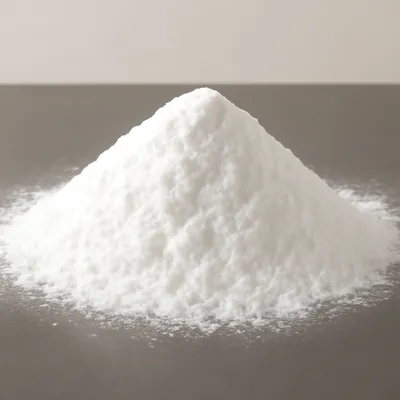

How it's made
12 steps · 25 min active + 10 min waiting
- 122 min
Soak 80g golden raisins in 3 tbsp dark rum + 2 tbsp warm water for 20 min. Drain.
- 24 min
Make batter: separate 4 large eggs. In a bowl whisk yolks + 250ml whole milk + 100g all-purpose flour + 2 tbsp caster sugar + 1 tsp vanilla extract + 1/4 tsp salt + zest of 1/2 lemon. Whisk smooth (some small lumps OK).
- 32 min
In a separate clean bowl, whip the 4 egg whites + 1 tbsp caster sugar to soft peaks.
- 41 min
Fold the whipped whites into the batter gently, in 2 additions. The batter should be light and airy.
Watch outFold the whites in gently in two goes, cutting down and lifting — deflate them and you lose the airy pull-apart interior that makes Kaiserschmarrn.
- 52 min
Heat 30g butter in a large heavy non-stick or cast-iron skillet (25-28cm) over medium heat until foamy.
- 61 min
Pour the batter into the pan. Sprinkle the soaked raisins evenly over.
- 75 min
Cook 4-5 min over medium heat until the bottom is deep golden and the top has just set around the edges (the center will still be slightly wet).
Watch outWait until the bottom is deep golden and the edges just set while the center stays a touch wet — flip too early and it tears into a wet mush.
- 81 min
Carefully flip the pancake in two halves (use a spatula). Don't worry about it being intact — it's going to be torn anyway.
- 93 min
Cook another 2-3 min until both sides are golden. Now the THEATRICAL step: using two large forks, tear the pancake into irregular bite-sized chunks (3-4cm). The pieces will look chaotic — that's the point.
Watch outTear it into rough three-to-four-centimeter chunks — the jagged edges are what caramelize crisp, so don't tidy them into neat squares.
- 103 min
Reduce heat to medium-low. Add 2 more tbsp butter + 2 tbsp caster sugar to the pan. Toss the torn pieces to coat. Cook another 2-3 min, stirring frequently, until the sugar caramelizes and the pieces develop crispy edges.
Watch outAdd the butter and sugar and toss until the sugar melts amber and the edges turn crackly-crisp — keep them moving so the sugar caramelizes without scorching.
- 111 min
Dust generously with powdered sugar.
- 122 min
Serve immediately in shallow bowls with: warm Zwetschkenröster (plum compote) OR Apfelmus (apple sauce) on the side. Top with extra powdered sugar. Optional: a scoop of vanilla ice cream.
Archive tool suggestions — not reviewed
These legacy suggestions have not been evidence-reviewed and are not presented as required tools.
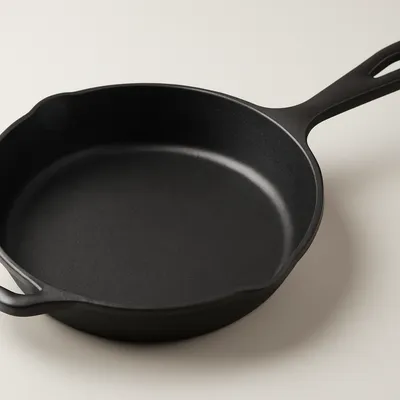
A heavy, single-piece cast iron pan, 25-30 cm across, weighing 1.5-2.5 kg. Once preheated, the thick mass holds 230°C+ even when a cold steak hits the surface — that's the secret to a deep crust. A well-seasoned skillet (multiple thin layers of polymerized oil baked into the iron) is essentially nonstick, gets better with use, and lasts a century. Lodge skillets from Tennessee have been in continuous production since 1896.

Hand-held wire loop tool for beating eggs, whipping cream, emulsifying dressings, and incorporating air into batters. Balloon whisks (large round head) for whipping cream and meringues; French whisks (narrow tear-drop) for sauces in pots; flat whisks (gravy) for pan sauces. Stainless steel is universal; silicone-coated for non-stick pans.


