
Obbattu, also called holige in Karnataka, is a sweet stuffed flatbread filled with a paste of cooked chana dal and jaggery scented with cardamom. A soft, well-rested dough of refined flour, often with a little wheat flour and a touch of turmeric, is rolled paper-thin around a generous ball of the sweet filling and griddled with ghee until translucent and blistered with golden spots. It is a festival sweet of Karnataka, made above all for Ugadi, the Kannada new year, and for Sankranti and Ganesha festival. A coconut-jaggery version, kai holige, is its much-loved counterpart on the same table.


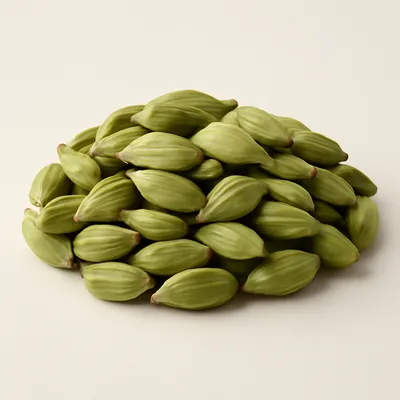

Obbattu belongs to the festive sweet-making of Karnataka and the wider Deccan, and its lineage is unusually well documented for an Indian sweet: a sweet dal-stuffed flatbread of this type is described in the 12th-century Sanskrit encyclopedia Manasollasa, compiled around 1130 under the Western Chalukya king Someshvara III, and a version appears as a bakshyam in the 14th-century Telugu work Manucharitra by Allasani Peddana. The wheat-and-chana-dal combination reflects the Deccan plateau, where both grains were cultivated, unlike the rice-growing coasts. Within Karnataka it is the Ugadi sweet par excellence, and it shares this ancient heritage with the Maharashtrian puran poli, the Andhra bobbatlu, and the Tamil boli — regional siblings of the same dish.
A thin, supple round, pale and freckled with golden ghee-spots, that tears open to a dense, fudgy yellow filling. The dough is soft and faintly chewy, almost translucent where it is thinnest, and the filling is richly sweet with the deep caramel note of jaggery and a warm hit of cardamom over the earthy body of chana dal. Eaten warm, it is glossy with ghee, with no crispness — soft against soft. Many serve it with a further drizzle of warm ghee or a cup of milk, and a good obbattu is judged on how thin the skin is rolled without the filling breaking through.
Obbattu rests on two things: a dryly cooked filling and an extremely soft, extensible dough. The chana dal must be cooked and then ground and dried down with jaggery until a spoon stands in it — any residual moisture turns to steam inside the bread and bursts it. The dough, by contrast, is enriched with oil and kneaded and rested until very soft and stretchy, so it can be coaxed paper-thin around a filling ball that is nearly equal to it in weight, a far higher filling ratio than a paratha. Rolling is done gently, often on an oiled surface or sheet, to spread the skin evenly without tearing. On the tawa, ghee and moderate heat brown the surface in spots and set the bread while keeping it soft, never crisping it; jaggery's sugars aid the spotting and lend gloss.
Variations
The two principal Karnataka forms are bele obbattu, with the chana-dal-and-jaggery filling, and kai obbattu (kai holige), filled instead with grated coconut and jaggery — sweeter and more fragrant but shorter-keeping. Some cooks use toor dal in place of or alongside chana dal, and a little nutmeg or saffron may join the cardamom. It is the direct sibling of the Maharashtrian puran poli (which favours chana dal and jaggery), the Andhra bobbatlu (rolled smaller), and the finer, thinner Tamil boli; the differences lie in dal choice, dough thinness and size. It is most often eaten with warm ghee or milk.
On the Palate
Where Obbattu sits in the Indian flavor cloud
Ingredients
Serves 6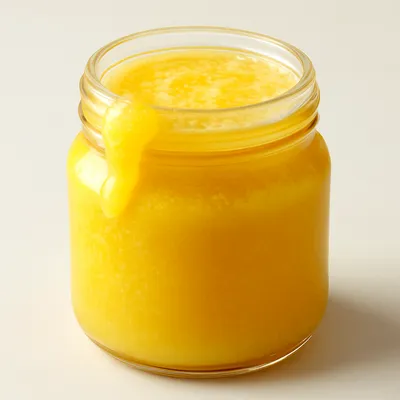

How it's made
8 steps · 40 min
- 115 min
Cook chana dal until soft but not mushy, then drain very well, reserving the cooking water.
- 220 min
Cook the drained dal down with jaggery and cardamom over low heat until thick and dry, then grind to a smooth paste and shape into balls.
Watch outCook the dal down with jaggery until a spoon stands in it, then dry it right out — any leftover moisture turns to steam inside and bursts the bread open.
- 310 min
Knead refined flour with a little wheat flour, turmeric, salt and oil, adding water, into a very soft, stretchy dough; rest it covered.
- 45 min
Take a portion of dough, flatten it, enclose a ball of filling, and seal completely.
- 54 min
Roll out gently on an oiled surface or sheet into a thin even round without tearing.
Watch outRoll gently on an oiled surface so the very soft dough spreads thin without tearing — this dough carries nearly its own weight in filling, so a torn skin leaks everywhere.
- 63 min
Cook on a hot tawa, brushing with ghee, until golden spots appear on the underside.
- 73 min
Flip, brush with more ghee, and cook the second side until cooked through but still soft.
- 81 min
Serve warm, drizzled with ghee or with a glass of milk.
Archive tool suggestions — not reviewed
These legacy suggestions have not been evidence-reviewed and are not presented as required tools.


