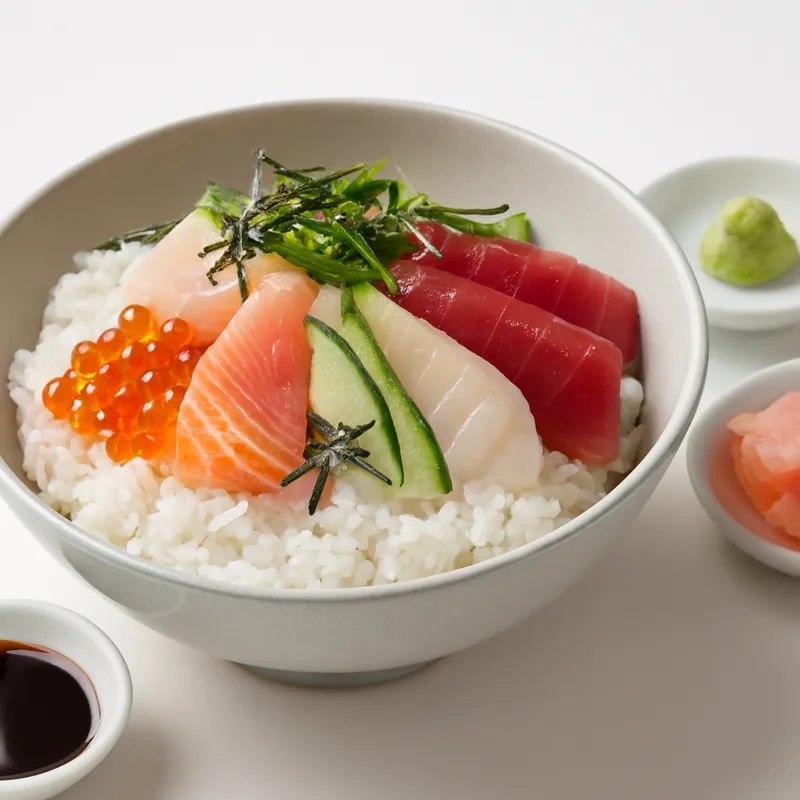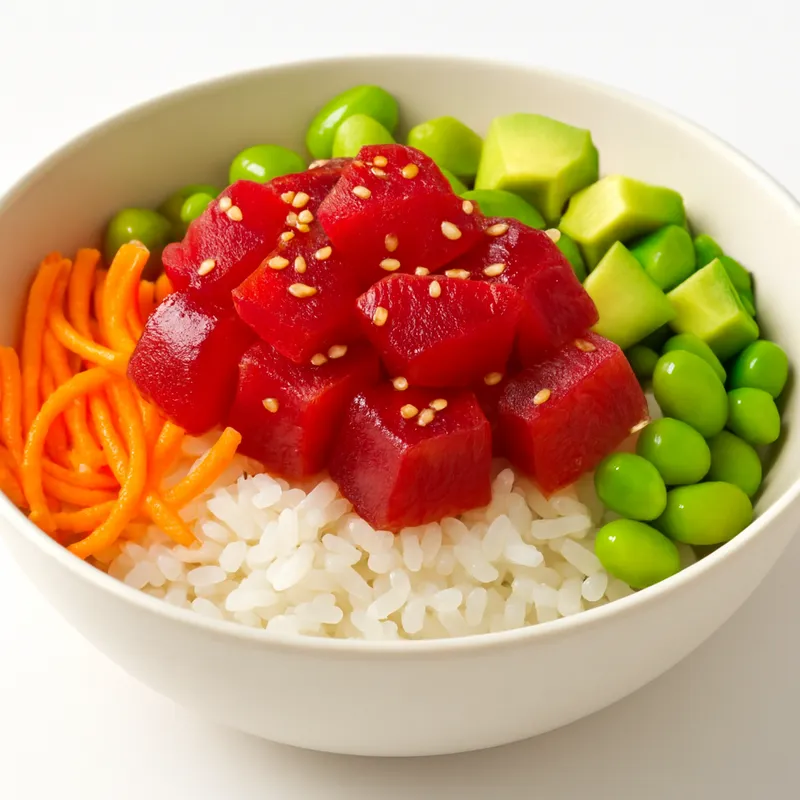
A traditional Hawaiian dish featuring raw fish, typically tuna, served over rice with various toppings.


An everyday Hawaiian fisherman's dish predating European contact — "poke" simply means "to slice or cut crosswise" in Hawaiian. Traditionally the fish was a reef or near-shore catch such as aku (skipjack), seasoned only with sea salt, limu (seaweed) and inamona (roasted crushed kukui nut). Soy sauce, sesame oil and onion entered after Japanese and Chinese plantation workers arrived in the mid-to-late 19th century, giving rise to the now-dominant shoyu-sesame style. The shift from reef fish to deep-water ahi (yellowfin/bigeye) tracked the rise of Japanese longline fishing in the 1920s–30s and the sashimi-grade tuna demand of the 1970s, rather than happening all at once. The customizable bowl-over-rice format with avocado and spicy-mayo belongs to a mainland US (notably Los Angeles) export wave that began around 2012; in Hawaii itself poke is more often sold by weight and eaten as a side or snack, not necessarily over rice.
Pre-contact Hawaiian fisherman's food — 'poke' just means to slice crosswise. Soy and sesame entered with late-19th-century Asian plantation labor; the avocado-and-rice bowl is a 2012 Los Angeles export.
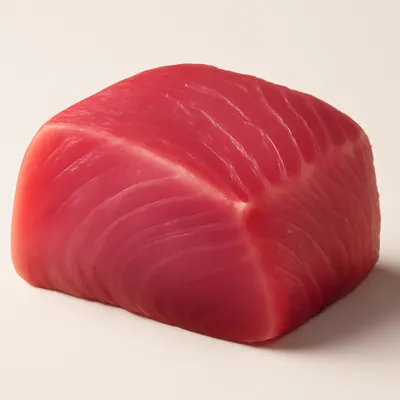
Cubes of raw fish — traditionally a reef fish like aku, today usually ahi (yellowfin) tuna — cut large, about the size of a thumb-tip, so each bite is fish first, seasoning second. The fish should be fresh enough to glisten. The Hawaiian style is dressed with just sea salt, limu (seaweed) and inamona (roasted kukui nut); the modern style with soy sauce, sesame oil and sweet onion, eaten cold, sometimes over warm short-grain rice. Roe, avocado and seaweed salad are modern add-ons; the original is just fish, salt and onion (or seaweed).
The fish must be sashimi-grade ahi (yellowfin) cut against the grain — wrong cut and it goes mealy in the soy. Modern poke bowls overdress: traditional poke uses just enough soy and oil to coat the cubes, never to pool. If liquid sits at the bottom of the bowl, the rice goes mushy and the fish loses texture within ten minutes.
Variations
Aku poke (skipjack, the oldest and bloodier); ahi shoyu (yellowfin with soy and onion, the canonical modern style); spicy ahi (with Sriracha mayo, a harbor-stall style); tako poke (cubed octopus, chewier); the limu-and-inamona dressing sold at local supermarkets is the everyday island default; tofu poke for a vegetarian version. The customizable bowl-over-rice is the dish's global export form.
On the Palate
Where Poke Bowl sits in the Hawaiian flavor cloud
Use sashimi-grade ahi cut against the grain and dress it lightly — just enough soy and oil to coat, never enough to pool — or the fish goes mealy and the rice turns mushy.
Ingredients






How it's made
5 steps · 23 min active + 15 min waiting
- 15 min
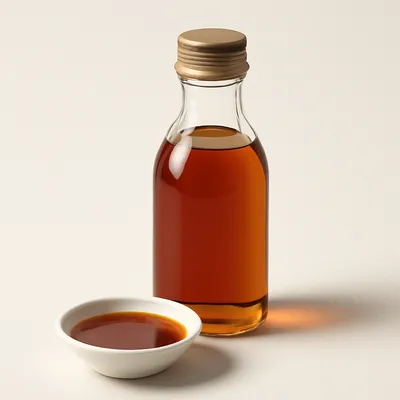
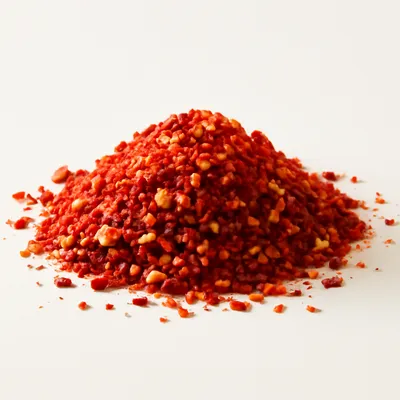
In a large mixing bowl, whisk together soy sauce, rice vinegar, sesame oil, freshly grated ginger, and a pinch of crushed red pepper flakes until well combined. The aroma will be fragrant and slightly spicy. Add the cubed tuna and gently toss to coat each piece evenly.
Watch outThe cubes should turn glossy and just coated as you toss — you want a sheen, not a puddle sloshing in the bowl.
- 21 min
Cover the bowl with plastic wrap and refrigerate the marinated tuna for at least 15 minutes, allowing the flavors to meld and the fish to cool. The tuna should have a glossy sheen from the marinade.
- 310 min
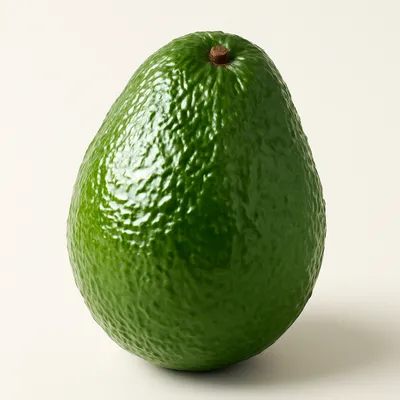
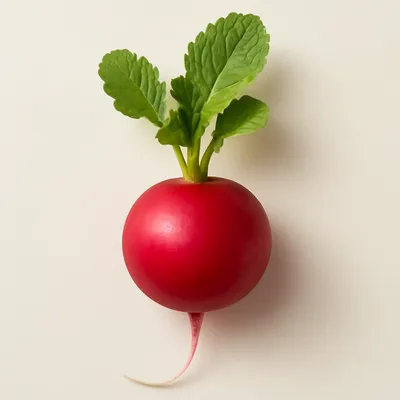
Prepare your toppings while the tuna marinates. Slice the avocado, cucumber, radish, and shred the carrots. Arrange them neatly on a platter for easy assembly.
Watch outUse a sharp knife to prevent bruising the avocado.
- 45 min
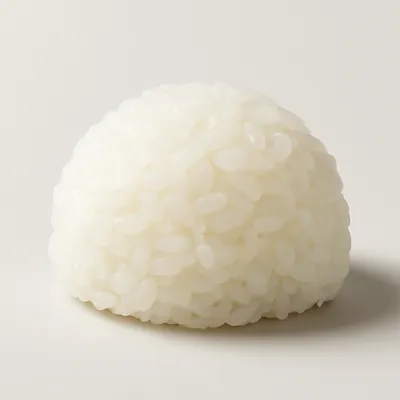
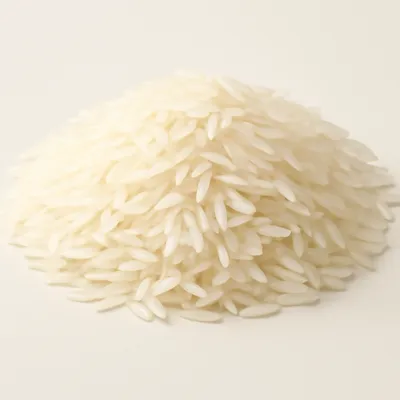
To serve, scoop a generous portion of cooked rice into the bottom of each bowl, creating a fluffy bed. Gently place the marinated tuna on top, followed by the sliced avocado, cucumber, edamame, shredded carrots, and radishes. The colors should be vibrant and inviting.
Watch outCheck the bottom of the bowl before topping — the rice bed should look dry, with no marinade seeping into it.
- 52 min
Finish with a sprinkle of toasted sesame seeds and additional sliced green onions. The sesame seeds should add a nutty aroma, and the green onions a fresh, sharp contrast.
Archive tool suggestions — not reviewed
These legacy suggestions have not been evidence-reviewed and are not presented as required tools.