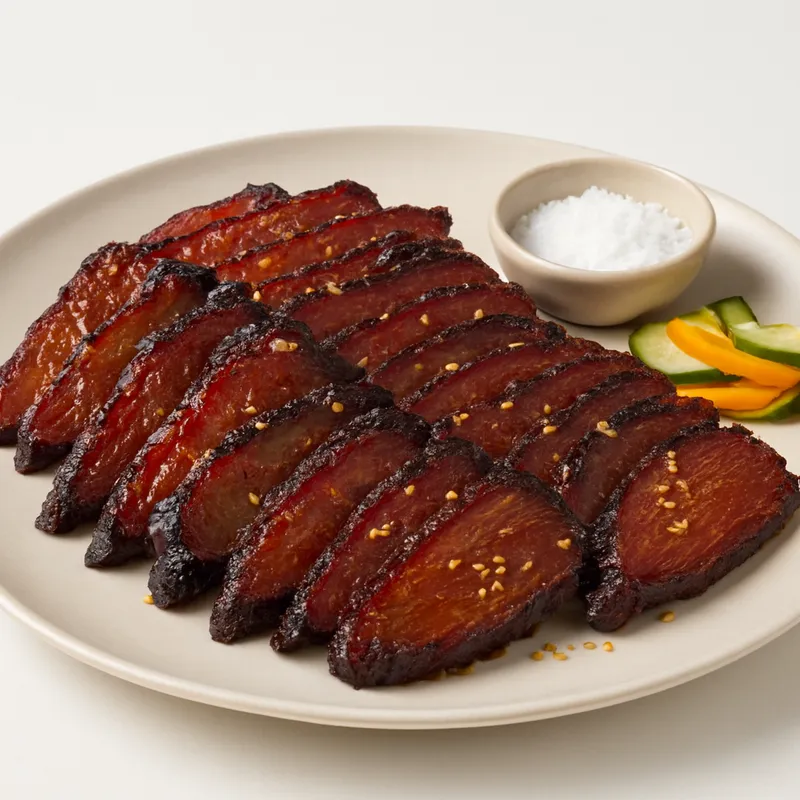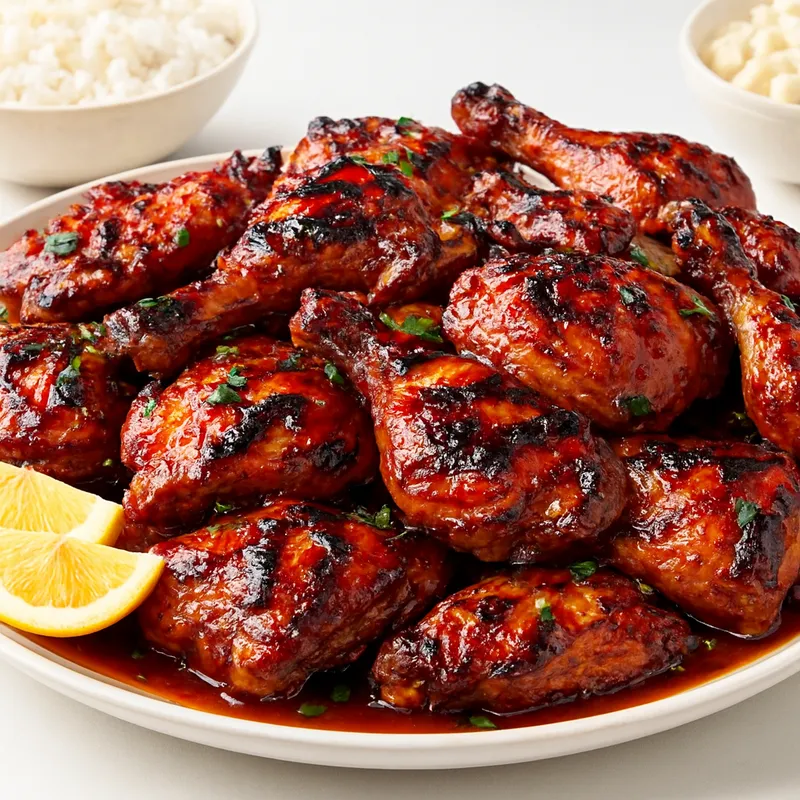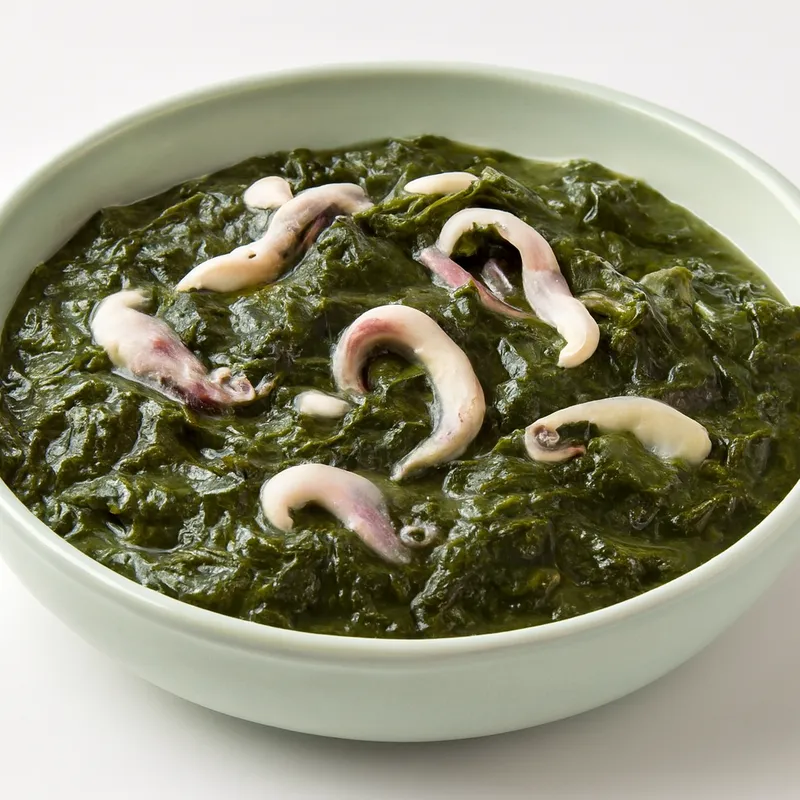
Succulent squid simmered in creamy coconut milk with tender taro leaves and a pinch of Hawaiian salt.


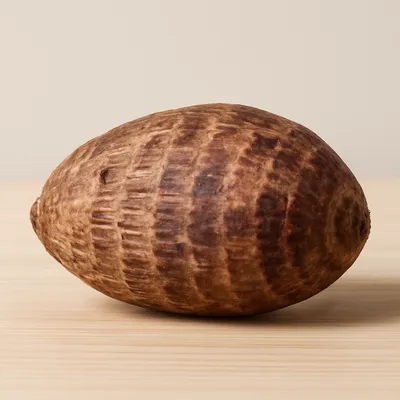

A pre-contact Native Hawaiian dish; "lu'au" originally referred to the young taro leaves themselves, not the feast. Coconut and seafood were the everyday Polynesian pantry; combining them with cooked greens predates Western contact. The dish gave its name to the modern Hawaiian feast because it was a fixture at gatherings. He'eia and Kahaluʻu on Oahu are still known for their leaves, with their taro patches feeding traditional kitchens.
Pre-contact Native Hawaiian dish — 'lu'au' originally referred to the young taro leaves themselves, not the feast. Taro leaves need 50 minutes simmer before squid goes in; squid stays only the last 10, longer and it goes from snap to rubber band.
Stewed taro leaves cooked down to a deep forest-green silk in coconut milk, with cubes of squid (or, more often, octopus — "squid" in Hawaiian Pidgin commonly means octopus) folded in. The texture is closer to creamed spinach than to a curry: silky and buttery from the broken-down leaves, savory and briny from the seafood, with a faint sweetness from the coconut milk and a little sugar. Served in a small bowl, spooned over hot rice or alongside poi.
The taro leaves must simmer for at least an hour before the seafood goes in — the same calcium-oxalate problem as lau lau, since raw taro leaf is acrid and stings the throat until prolonged cooking breaks the needle-like crystals down. That long, frequently stirred simmer is also what collapses the leaves into the silky, creamed-spinach-style green base and fuses the coconut milk, sugar and seafood into one pot. The squid (or octopus) is added late and only briefly cooked; overcook it and it turns from snap to rubber band.
Variations
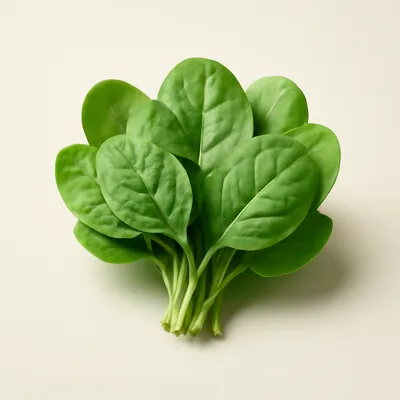
The split is mostly in the seafood: traditionally octopus (in Hawaiian Pidgin "squid" covers octopus), with true squid as the common alternative. Chicken luau is the poultry cousin — chicken in place of the seafood, the taro-leaf-and-coconut-milk base otherwise the same, and it reads lighter. Modern shortcut versions sometimes substitute spinach for the taro leaves, though traditionalists insist on real young taro leaves slow-stewed.
On the Palate
Where Squid Lu'au sits in the Hawaiian flavor cloud
Ingredients


How it's made
5 steps · 2 hours
- 114 min
Clean and slice squid into bite-sized pieces.
- 227 min
Sauté onion until translucent.
- 317 min
Add taro leaves and cook until they start to soften.
Watch outSimmer the taro leaves a full hour, stirring often, until they collapse into a silky green — raw taro leaf stays acrid and stings the throat until it's cooked long enough.
- 451 min
Pour in coconut milk and bring to a gentle simmer.
- 510 min
Stir in the squid and season with Hawaiian salt, cooking until tender.
Watch outSlip the squid in only at the end and cook it just a minute or two — a moment too long and it goes from tender snap to rubber.
Archive tool suggestions — not reviewed
These legacy suggestions have not been evidence-reviewed and are not presented as required tools.