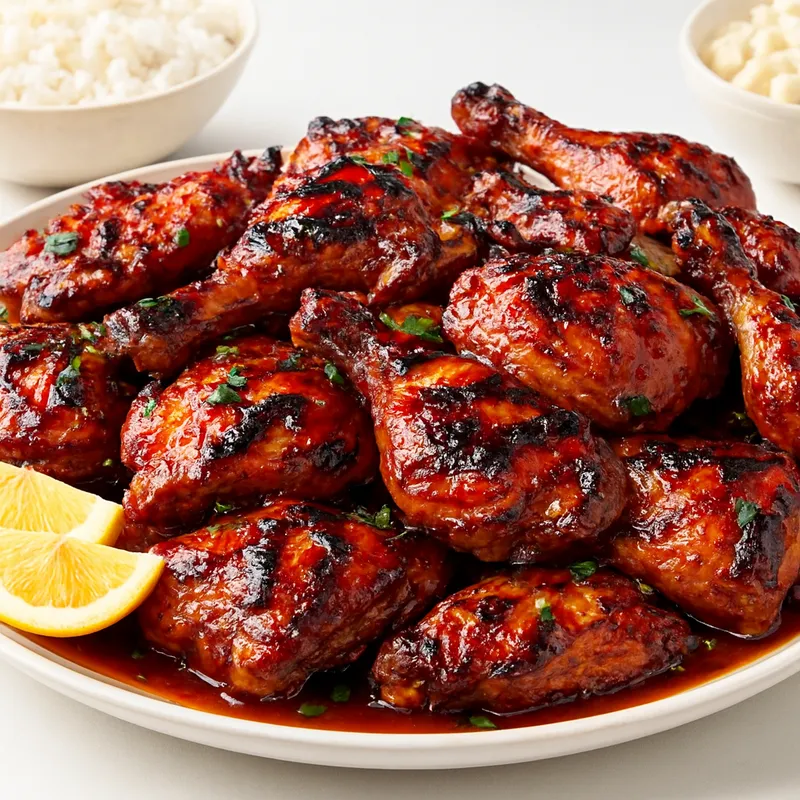
Tender pork butt and salted butterfish, wrapped in taro leaves, steamed to a savory, smoky perfection.
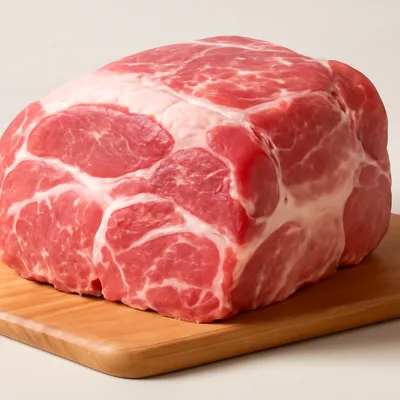


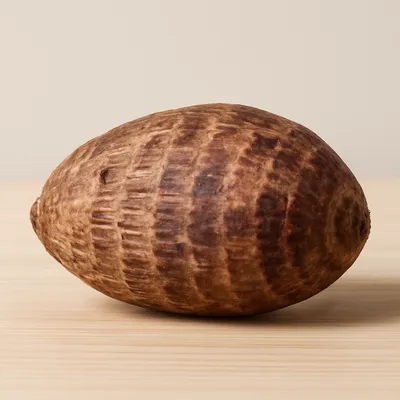

The leaf-wrapped steaming technique behind lau lau is pre-contact Native Hawaiian: bundles of fish or pork were wrapped in taro (kalo) leaves, sealed inside ti leaves, and pit-baked in an imu (underground oven) alongside kalua pig as a staple of the luau feast. Lau lau also embodies the whole-plant use of kalo, a crop revered as an ancestor — the corm is pounded into poi, the everyday starch staple, while the young leaves (luau) are steamed and eaten, as in the wrap itself. The salted butterfish in today's lau lau should be qualified, however: "butterfish" here is salted black cod (sablefish), a cold-water North Pacific fish that is not native to Hawaii and is now sold pre-salted and vacuum-packed in island grocery stores for its high fat content — a modern standardized pairing rather than a pre-contact ingredient. After the 1820s missionary period suppressed many pit-cooking practices, lau lau moved largely to stovetop steaming in metal pots, which is how most are made today; the imu version survives mainly at large traditional luaus.
Pre-contact pit-baked Native Hawaiian cooking — taro leaves wrapping pork butt and salted butterfish. Taro leaf must steam at least an hour to break down the calcium oxalate that otherwise stings the mouth raw; that long cook is also what fuses fat, brine, and leaf into one taste.
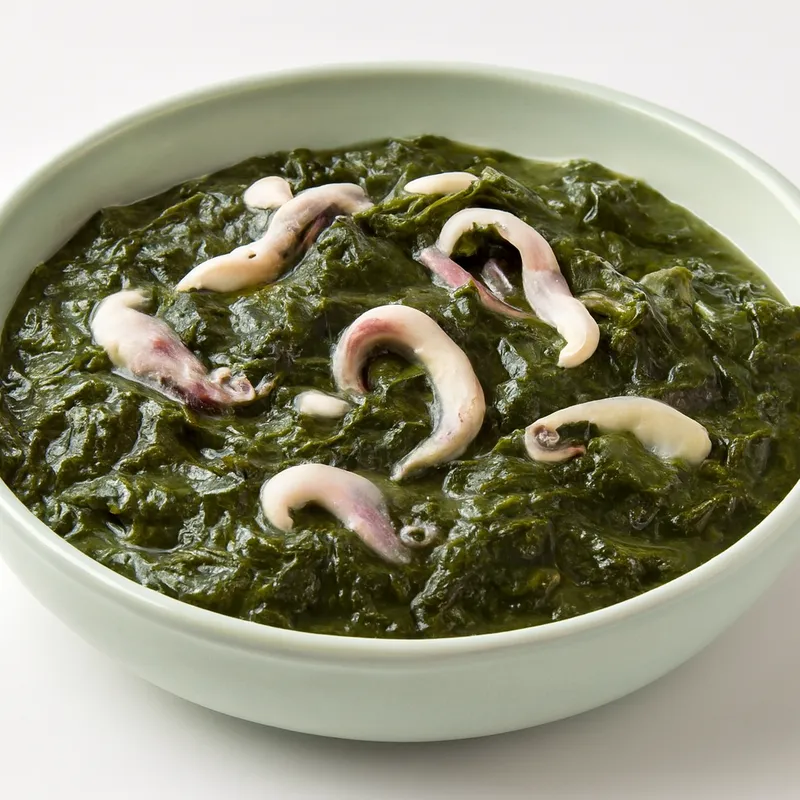
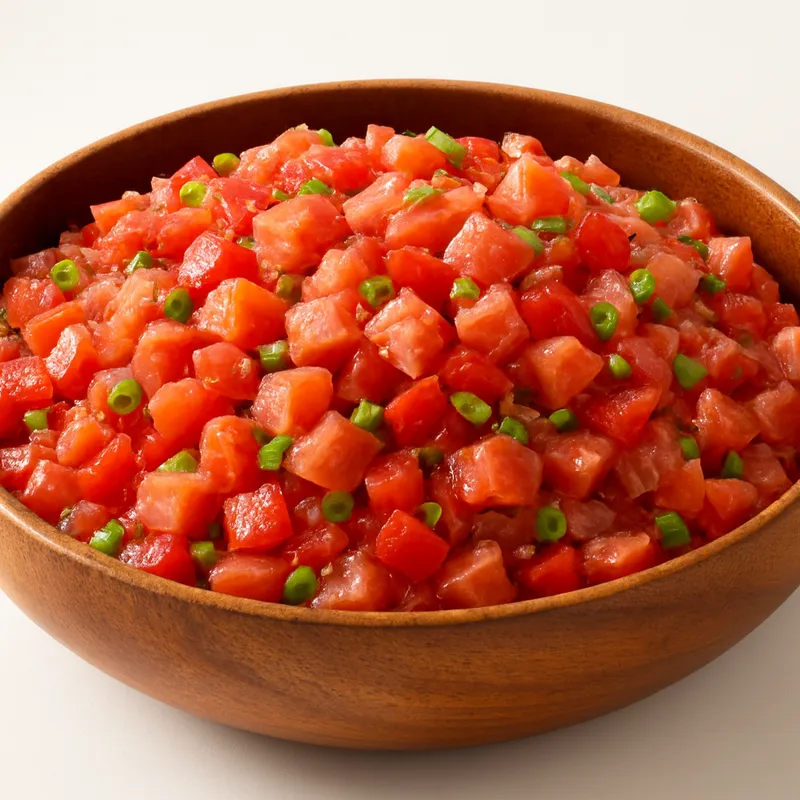
Fist-sized bundles of taro leaves wrapped around fatty pork and, usually, a chunk of salted butterfish, then steamed for hours until the outer ti leaves go from green to nearly black and the inside falls apart on the fork. The inner taro leaves are eaten too — they cook down to a silky, well-stewed-spinach softness — while the ti-leaf wrapper is peeled off and discarded. Salty and rich: the salt comes from the cured butterfish seeping into the pork and leaves, the richness from the rendered pork fat. Usually served with poi, rice, and lomi salmon.
Two things define lau lau: the wrapping and the long steam. Pork — often with a piece of salted butterfish tucked in for brine — is bundled inside several luau (taro) leaves, that bundle is enclosed in one or two ti leaves and tied into a tight parcel (loose ones leak and lose their shape while steaming), and the whole thing is steamed for hours, traditionally in an imu and now usually in a steamer. The taro leaves in particular must be cooked long and fully: raw taro leaf is acrid and stings the mouth and throat because of its needle-like calcium-oxalate crystals, and only prolonged steaming breaks these down so the leaf softens into an edible, silky layer instead of burning the mouth. That same long steam is what fuses the pork fat, the fish brine, and the green, vegetal taro leaf into a single flavor.
Variations
The filling is flexible. The two common forms are pork alone (fatty pork butt) and pork with a chunk of salted butterfish for brine; a chicken version is also made and reads lighter. Of the two wrapping layers, the outer ti leaf is only a parcel — peeled off and discarded after steaming — while the inner taro leaf is eaten with the meat. Two cooking methods run in parallel: the imu-pit version is the oldest, traditional form, made now mainly at large luaus, while stovetop steaming in a metal pot is the everyday home form.
On the Palate
Where Lau Lau sits in the Hawaiian flavor cloud
Ingredients


How it's made
5 steps · 6 hours
- 149 min
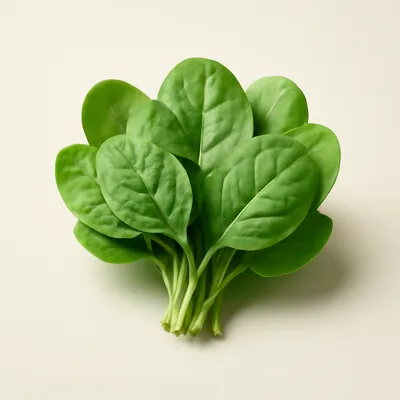
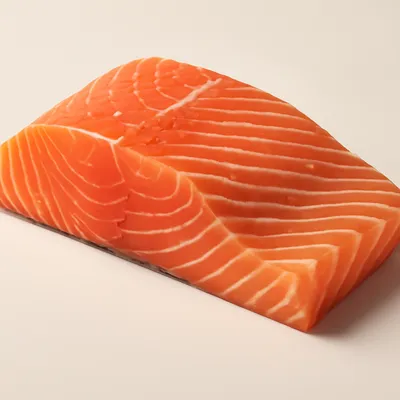
Place a piece of pork butt and salted butterfish on taro leaves.
- 219 min
Sprinkle with Hawaiian salt for seasoning.
- 349 min
Wrap tightly in ti leaves to form a bundle.
Watch outTie the ti-leaf parcel tight and snug — a loose bundle leaks its juices and falls apart in the long steam, and the pork dries out.
- 497 min
Steam the bundles until the meat is tender and flavors have melded.
Watch outSteam for hours, not minutes — the taro leaves must go fully soft; undercooked taro leaf is acrid and stings the mouth and throat, and only long steaming tames it.
- 5146 min
Unwrap and serve warm, savoring the earthy flavors.
Archive tool suggestions — not reviewed
These legacy suggestions have not been evidence-reviewed and are not presented as required tools.