
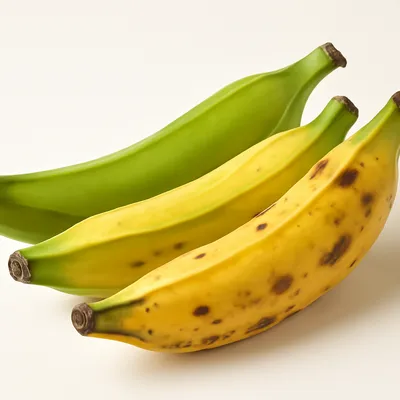
Rice cooked together with cowpeas (often black-eyed peas), eaten across Ghana as breakfast or lunch. The rice and beans are simmered with dried red sorghum leaf sheaths or stalks — the "waakye leaves" — together with kaun, a food-grade alkali (potash/limestone); the leaves' red pigment and the alkalinity stain the rice a brick-brown and lend an earthy note. A street-food staple, it is piled high with shito (black chili paste), gari (cassava flour), boiled egg, spaghetti, fried plantain, and a spoonful of fried fish or stewed meat with pepper-tomato sauce.
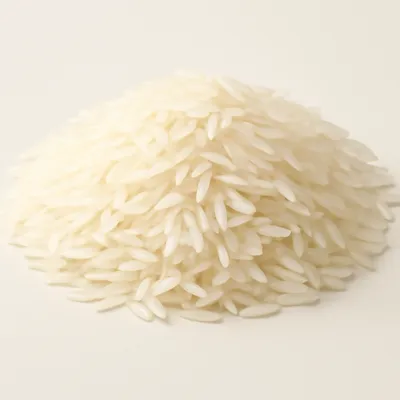

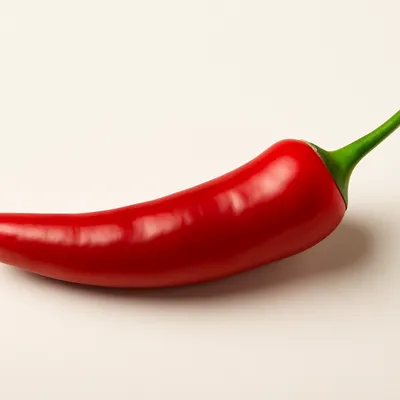



Waakye originated in northern Ghana — among the Mole-Dagbon (Dagomba) people and Hausa settlers — where rice and beans are both staple crops and were simply cooked together in one pot. The name comes from the Hausa phrase "shinkafa da wake," meaning "rice and beans" (wake = beans); the Dagbani language uses a related word for a type of bean. Renowned for their skill with grains and cooking, Hausa communities later carried the dish south into the Zongo quarters of Accra and other cities, and it spread to become Ghana's most democratic meal — a national breakfast eaten everywhere, from restaurants to roadside stalls. Northern versions tend to be spicier than the Accra waakye.
The brick-brown rice carries a faint earthy edge from the sorghum leaves, and the beans cook up soft and creamy. What really anchors the bite is the shito: a glossy black chili paste loaded with dried shrimp — smoky, salty, and hot — that wakes up the soft rice. Around it sit the heft of a boiled egg, the sweetness of fried plantain, and gari turned faintly tangy as it soaks up the sauce; one mix and soft, hot, savory, and sweet all land at once.
The color comes from dried red sorghum leaf sheaths or stalks: rich in red pigment, they release it into the water as they cook, dyeing the rice. The kaun (food-grade alkali) added alongside is just as important — alkaline water cooks the grains softer and more glutinous and helps keep the beans from splitting, while deepening the red. Shito is fried slowly in warm oil kept below smoking point, which locks in the chilies' heat while coaxing umami out of the dried shrimp and peppers over long, gentle cooking, building a fragrant, fiery black paste.
Variations
Stalls in Accra often take the shortcut of ready-made sorghum leaf powder for color, while northern households still gather the actual leaves and stalks. The vegetarian version leaves out the shito and dried shrimp, dropping that thread of savory heat.
On the Palate
Where Waakye Dagomba sits in the Ghanaian flavor cloud
Ingredients
Serves 4
How it's made
6 steps · 30 min active + 1 hour waiting
- 1480 min
Soak 200 g cowpeas overnight; drain.
- 215 min
Boil dried millet/sorghum stems in 1 L water 15 min; strain — broth will be brick-brown.
Watch outSimmer the sorghum stalks until the water stains a deep brick-brown, then strain — that colored water is what dyes the rice, so let it steep good and dark.
- 340 min
Add cowpeas to broth; simmer 40 min until tender.
- 425 min
Add 300 g brown rice; cook 25 min until rice absorbs all liquid and turns brown.
Watch outCook until the rice drinks up every drop and turns russet-brown — if there's still liquid pooling it's underdone, if it smells scorched the heat was too high.
- 510 min
Make shito sauce: blend dried chili + crayfish + ginger + garlic; fry in 60 ml oil 10 min.
Watch outFry the shito low and slow in warm oil below smoking — you want the dried shrimp and chili to darken and turn fragrant, not to scorch black and bitter.
- 65 min
Serve waakye topped with shito, gari, hard-boiled egg, fried plantain.
Archive tool suggestions — not reviewed
These legacy suggestions have not been evidence-reviewed and are not presented as required tools.


