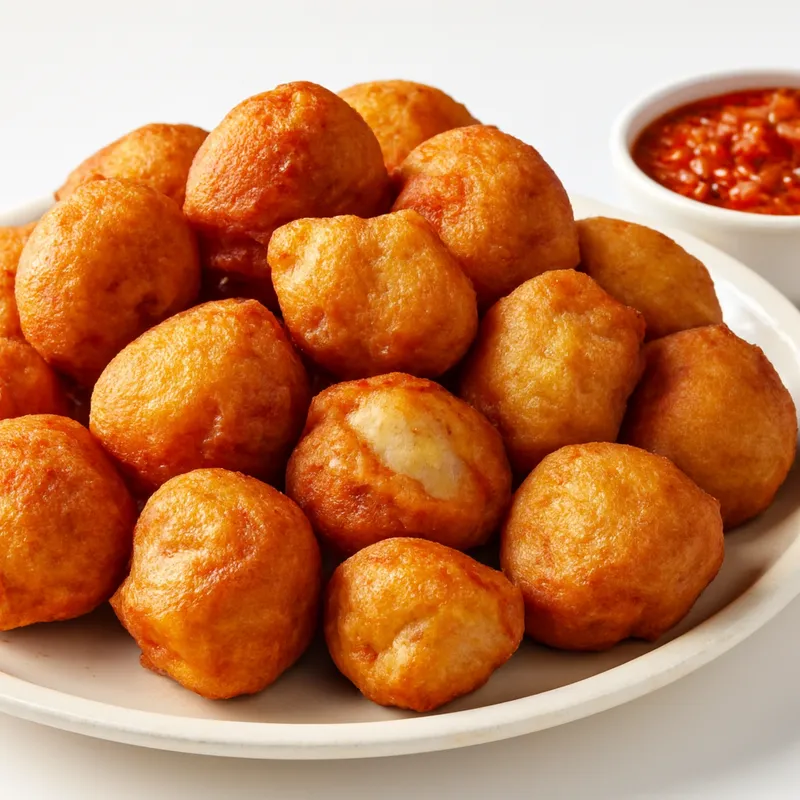
Deep-fried bean cakes made from black-eyed peas.



Yoruba origin from southwestern Nigeria, but akara crossed the Atlantic with the transatlantic slave trade and survives across the African diaspora — Brazilian acarajé (Bahia), Caribbean accra. The technique and word are Yoruba; in old Yoruba "àkàrà" refers to a cake or pastry — the dish itself. The Brazilian name acarajé comes from the Yoruba vendor's cry "àkàrà n'jẹ," "come and eat akara." In Salvador, Bahia, the baianas — Afro-Brazilian women in white lace dress — fry it on the street, where it became both a snack and the iconic sacred food of the Candomblé religion.
The Yoruba word akara crossed the Atlantic with the slave trade — Bahia's acarajé is the same fritter, fried in dendê on Candomblé temple steps since the 17th century. Lacy edges or no air; underwhipped batter fries dense and oily.
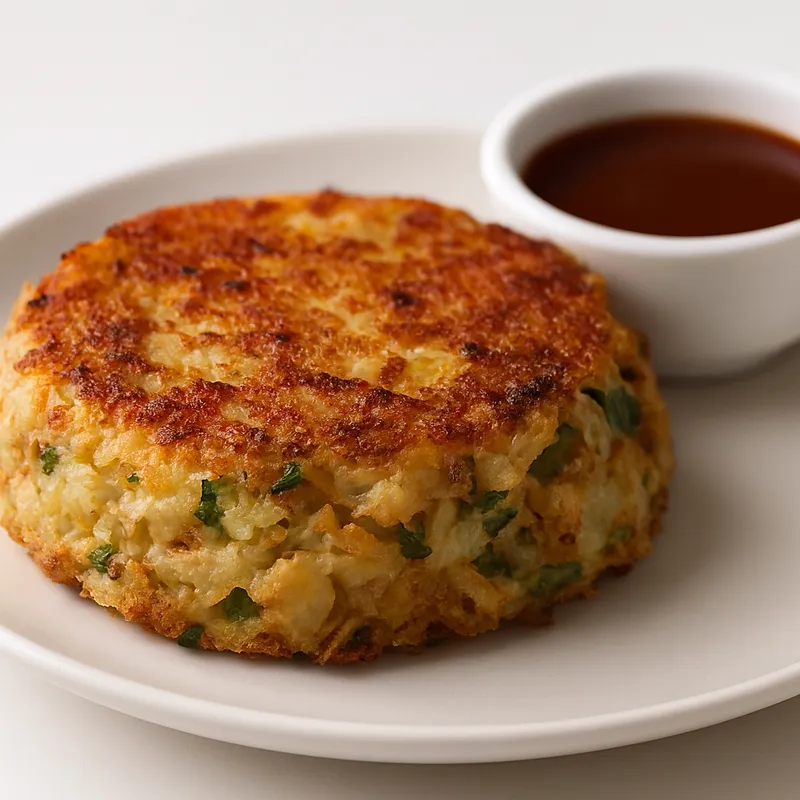
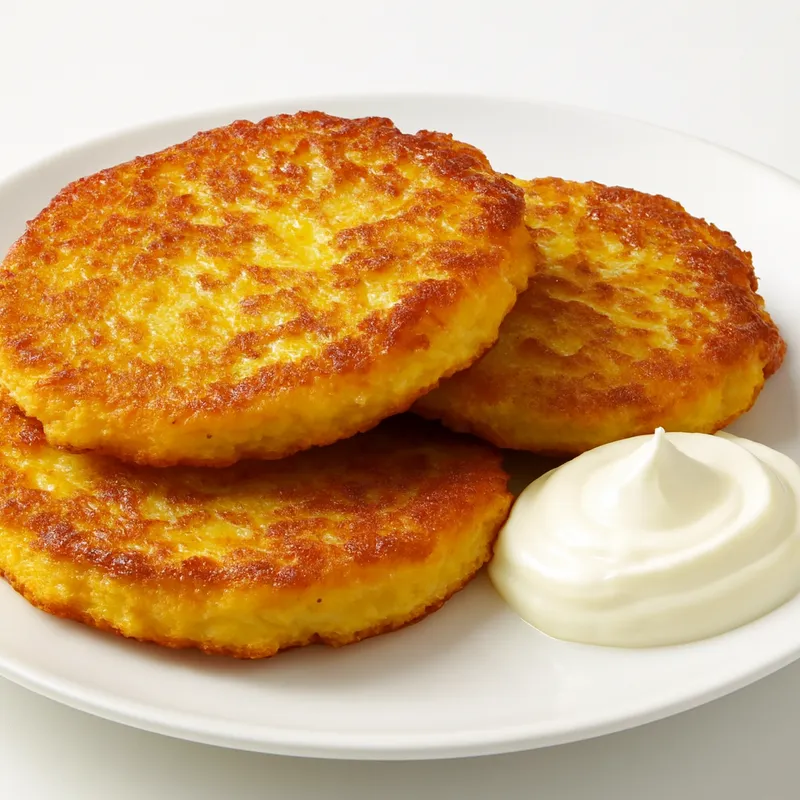
Crispy, lacy-edged fritters about the size of a golf ball, deep-fried from a whipped black-eyed pea batter spiked with onion and chili. Bite through the shell and the inside is fluffy, almost custard-like, off-white with red specks of pepper. Eaten hot from the oil with bread or pap (corn porridge) for breakfast — Lagos street vendors fry them on charcoal stoves at 5am.
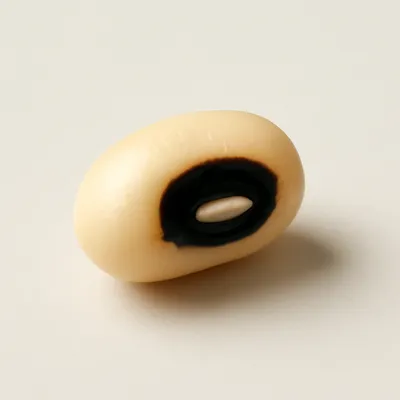
Same skinless-bean rule as moi moi — saponins in the skins make the fritter bitter and grey. The whipped batter must hold a peak; underwhipped akara fries dense and oily, overwhipped collapses into the oil and disintegrates. Oil temperature 170°C: too hot and the outside seals before the egg-like set inside finishes. The lacy edge is the test — no lace, no air in the batter.
Variations
Nigerian akara (round, eaten with pap or bread); Bahian acarajé (split open, stuffed with vatapá and dried shrimp); Caribbean accra (often saltfish-based instead of bean); Sierra Leonean binch akara mixes in onion fritter ratios.
On the Palate
Where Akara sits in the Nigerian flavor cloud
Whipping enough air into the peeled-bean batter until it holds a peak is make-or-break — that trapped air is what fries into a light, lacy-edged fritter instead of a dense, oily lump.
Ingredients
How it's made
5 steps · 40 min
- 110 min
Soak the black-eyed peas in water until the skins loosen. Rub them between your hands to peel off the skins, revealing the creamy beans beneath.
Watch outRub until the water clouds with floating skins and the beans underneath look creamy-white and clean.
- 25 min
Blend the peeled beans with onions and pepper until smooth, forming a thick, aromatic batter that holds its shape.
- 35 min
Whisk the batter vigorously to incorporate air, creating a light and fluffy texture that will fry up perfectly.
Watch outThe batter is ready when it turns visibly paler and lighter and holds a soft peak off the whisk.
- 410 min
Heat vegetable oil in a deep pan until it reaches 350°F (175°C). Drop spoonfuls of batter into the hot oil, listening for a gentle sizzle as they begin to fry.
Watch outListen for a steady gentle sizzle as each spoonful hits the oil and floats up — that's the right temperature.
- 510 min
Fry the akara until golden brown and crispy on the outside, turning occasionally to ensure even cooking. Drain on paper towels to remove excess oil.
Watch outTurn when the underside is deep gold and the edges have gone lacy and crisp.
Archive tool suggestions — not reviewed
These legacy suggestions have not been evidence-reviewed and are not presented as required tools.