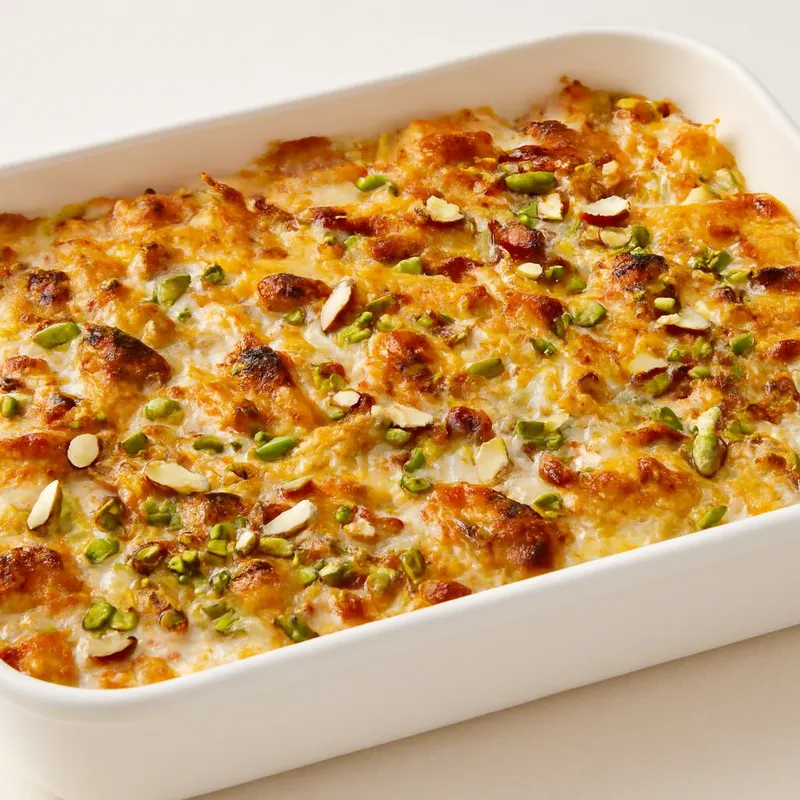
Grey mullet salted heavily and left to ferment for weeks until pungent and translucent, the ritual fish of Egypt's springtime Sham El Nessim festival.




Fesikh is one of Egypt's most ancient foods, eaten since pharaonic times and bound to Sham El Nessim, the spring festival whose roots stretch back to ancient Egyptian Shemu harvest celebrations. Mullet from the Nile and the Mediterranean is sun-dried then packed in salt to ferment, a craft guarded by specialist salters called fasakhani; its powerful aroma is divisive, but for millions it is the unmistakable taste of spring.
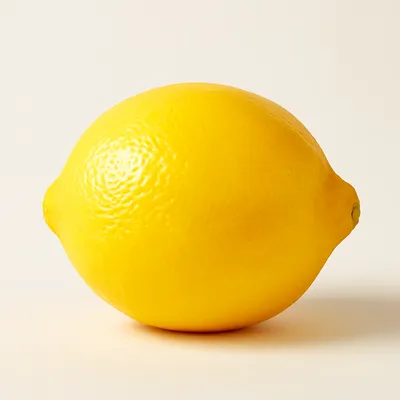
Intensely salty and funky, with a soft, almost buttery flesh that dissolves on the tongue. Lemon and onion brighten the deep, aged-fish savor that defines the festival table.
Heavy salting draws out water and creates an environment where only salt-tolerant microbes survive, driving a slow fermentation that breaks proteins into intensely savory amino acids. Proper salt concentration and sealing are critical, since under-curing can allow dangerous bacteria to grow.
Variations
served with melouha (salted herring), paired with renga (smoked herring), dressed with extra chili, alongside tahina
On the Palate
Where Fesikh sits in the Egyptian flavor cloud
Ingredients
Serves 6How it's made
8 steps · 30 min
- 110 min
Choose fresh grey mullet and leave them ungutted to dry in the sun for a day or two.
- 215 min
Pack the fish in coarse salt, layering generously so every surface is coated.
Watch outBury every surface in salt — any bare patch on the fish is where spoilage starts, not fermentation.
- 35 min
Seal the fish in an airtight container away from light.
Watch outSeal it truly airtight; a leaky lid lets the wrong bacteria in and this is the step that makes fesikh safe or dangerous.
- 420160 min
Leave to ferment in a cool place for two to three weeks until the flesh softens.
Watch outGive it the full two to three weeks in the cool — the flesh should soften right through; rushing it leaves the cure incomplete.
- 58 min
Once cured, rinse off excess salt and pat dry.
Watch outRinse until the surface no longer feels gritty with salt, or the finished fish will be too fierce to eat.
- 66 min
Cut into pieces and dress with lemon juice, olive oil and chopped onion.
- 72 min
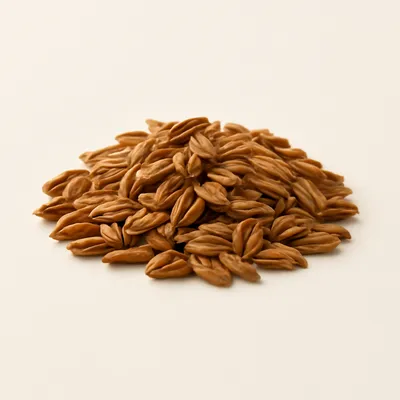
Add cumin and a little chili to taste.
- 84 min
Serve cold with baladi bread, spring onions and lemon.