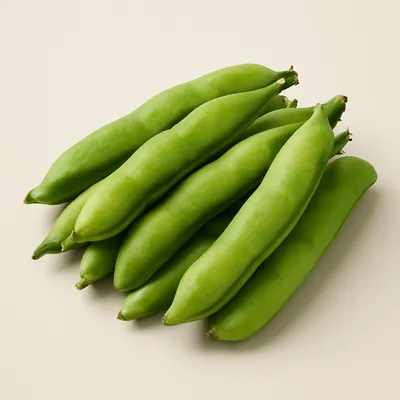

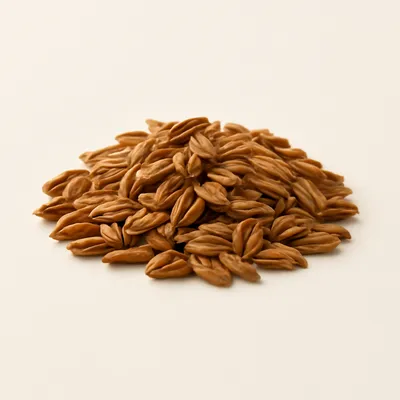



A peasant winter staple of northern Morocco's Rif mountains, going back to medieval Andalusi cooking — split favas were a cheap protein in cold-weather kitchens. The dish migrated with Andalusi refugees to Tetouan and Chefchaouen in the 15th-16th centuries and became firmly identified with those mountain towns. In Egypt the same beans become bissara as a thicker dip; the Moroccan version stays soup-thick and is breakfast, while the Egyptian version is a meze.
A Rif-mountain peasant breakfast, brought north from Andalusi cooking by 15th-16th-century Moorish refugees in Tetouan and Chefchaouen. The olive-oil pour at the end isn't garnish — fava starch sets gummy as it cools, and the oil layer is what keeps it spoonable.
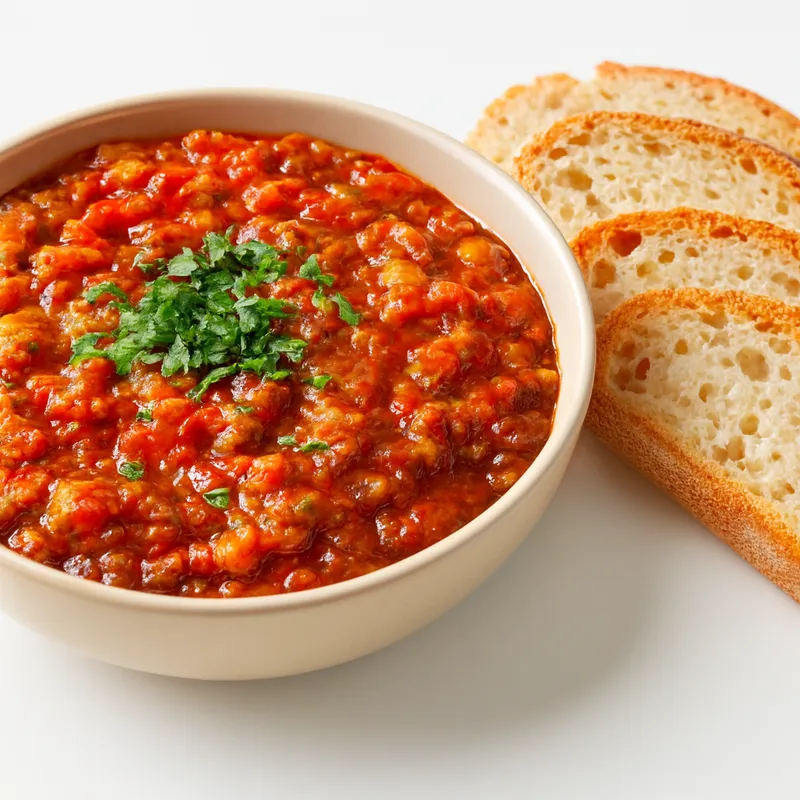
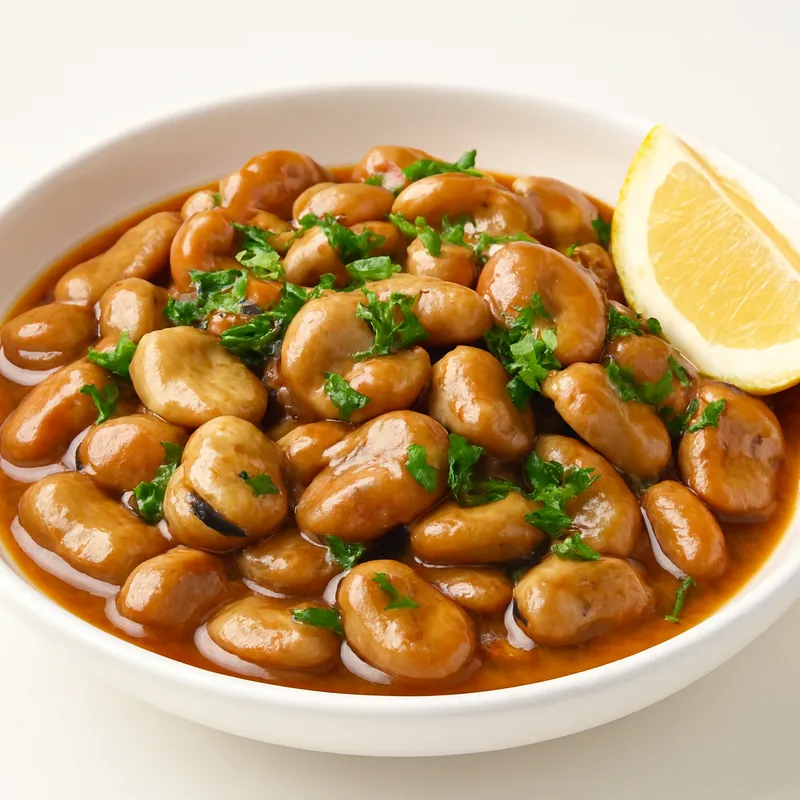
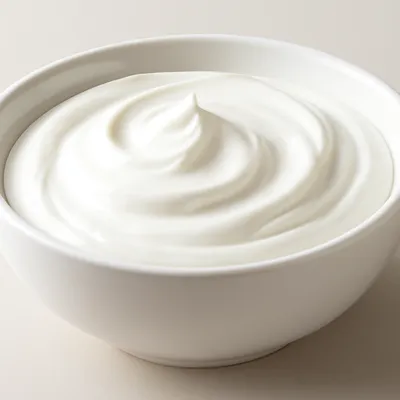
Pale green-yellow puree of dried split fava beans, the texture of thick yogurt, served in shallow bowls with a deep pool of olive oil floating on top, dusted with cumin and paprika. A wedge of khobz bread to scoop. Eaten hot for breakfast in winter, especially in the northern hills (Chefchaouen, Tetouan). Should be thick enough that the spoon stands up halfway; if it sits flat in the bowl like soup, the cook didn't reduce it.
Split favas have to soak overnight, then simmer with garlic and cumin until they collapse — usually 90 minutes. Skipping the soak adds an hour of cooking and leaves a chalky texture. The olive oil pour at the end isn't garnish — it's structural. Fava starch sets up gummy as it cools; the oil layer slows that and keeps the puree spoonable. Without it, the bowl turns to paste in 5 minutes.
Variations
Northern Moroccan (Tetouan, Chefchaouen) stays soup-thick for breakfast; Egyptian bessara runs thicker as a meze dip; rural Rif version sometimes finishes with smen instead of olive oil for funkier depth.
On the Palate
Where Bissara sits in the Moroccan flavor cloud
Ingredients


How it's made
5 steps · 1 hour 15 min
- 172 min
Soak fava beans overnight and drain.
- 21 min
Cook beans in a pot with garlic until soft.
Watch outSimmer until a bean crushes to mush against the pot side with no resistance — that total collapse is what makes it blend silky.
- 31 min
Blend beans into a smooth puree.
Watch outBlend to a pourable, lump-free puree; too thick and it'll seize as it cools, too thin and it won't hold the spoon.
- 41 min
Season with cumin, paprika, and salt.
- 51 min
Finish with olive oil and lemon juice before serving.
Watch outAdd the olive oil and lemon off the heat at the very end so the oil sits as a fresh layer and the lemon stays bright.
Archive tool suggestions — not reviewed
These legacy suggestions have not been evidence-reviewed and are not presented as required tools.