Machang is the Filipino-Chinese glutinous-rice tamale: sticky rice seasoned with soy sauce and packed around a savory filling of pork, chestnut, mushroom, and salted egg yolk, wrapped in leaves into a pyramid and steamed or boiled until dense and unctuous. A direct descendant of the Hokkien rice dumpling, it is sold at Chinatown stalls and old Tsinoy bakeries, unwrapped from its leaf and eaten warm. Heavier and more meal-like than most merienda, it is especially associated with Chinese-Filipino households and festive occasions.



Machang descends from the Hokkien bah-chàng (肉粽, 'meat rice dumpling'), brought to the Philippines by Fujianese migrants who settled Manila's Binondo Chinatown from the late 16th century. It belongs to the broad Chinese zongzi tradition associated with the Duanwu (Dragon Boat) festival, though in the Philippines it is sold year-round as a Tsinoy staple rather than tied strictly to the festival. The southern-Chinese savory style — glutinous rice with pork, chestnut, mushroom, and salted egg — is preserved largely intact, a marker of how directly the dish carried over.
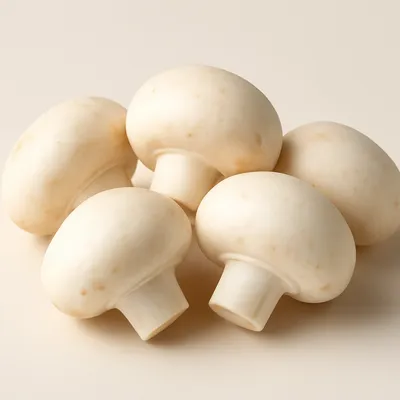
Unwrapped from its leaf, the rice is glossy, sticky, and stained brown with soy, carrying a faint leafy fragrance. It clings in tender, chewy clumps. At the center the filling is rich and deeply savory: soft braised pork, the mealy sweetness of chestnut, earthy mushroom, and a salty-rich crumble of cured egg yolk. Each bite is dense and filling, the seasoned rice and meaty core in balance. Warm, it is comfort food; one is nearly a meal.
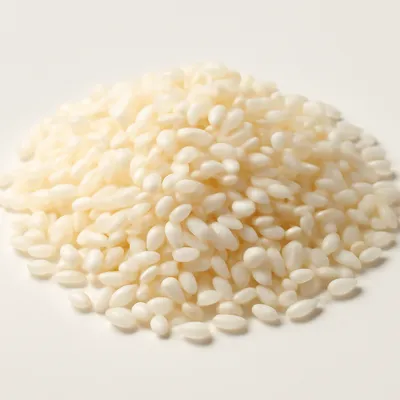
Glutinous rice is high in amylopectin starch and almost free of amylose, so on cooking it gelatinizes into a sticky, cohesive mass that holds its shape and clings rather than staying loose. Soaking the rice first ensures the grains hydrate and cook evenly through the dense packed bundle. The leaf wrapper holds the parcel tight, traps steam, and lends a grassy aroma; the long steam or boil melts the pork's fat and collagen into the rice, basting it from within. The salted egg yolk, cured by osmosis in brine, adds concentrated savor.
Variations
Fillings vary by family: pork is standard, often with Chinese sausage, dried shrimp, or peanuts added alongside the chestnut and mushroom. Some make a plainer version with less filling; others are lavish with multiple meats. A sweet alkaline rice dumpling (kiamay or its sweet counterpart) exists as a separate type, eaten with sugar rather than as a savory parcel.
On the Palate
Where Machang sits in the Filipino flavor cloud
Ingredients
Serves 6
How it's made
8 steps · 1 hour
- 1180 min
Soak glutinous rice for several hours, then drain.
Watch outSoak the glutinous rice several hours — the grains must hydrate to cook evenly through the dense packed bundle; unsoaked, the core of the parcel stays hard.
- 240 min
Braise diced pork with soy sauce, mushroom, and aromatics until tender; reserve chestnuts and salted egg yolks.
- 38 min
Stir-fry the drained rice briefly with soy sauce and a little fat until evenly colored.
- 410 min
Fold a softened leaf into a cone, fill partway with rice, add the pork, chestnut, mushroom, and egg yolk, then top with more rice.
- 56 min
Fold the leaf over into a tight pyramid and tie firmly with string.
- 615 min
Repeat for all the bundles.
- 7180 min
Steam or boil the tied parcels for several hours until the rice is fully cooked and dense.
Watch outSteam or boil the tied parcels several hours until the rice is fully cooked and dense — the pork fat and collagen are basting the rice from within, so give it the long time.
- 83 min
Drain, then unwrap and serve warm.
Archive tool suggestions — not reviewed
These legacy suggestions have not been evidence-reviewed and are not presented as required tools.