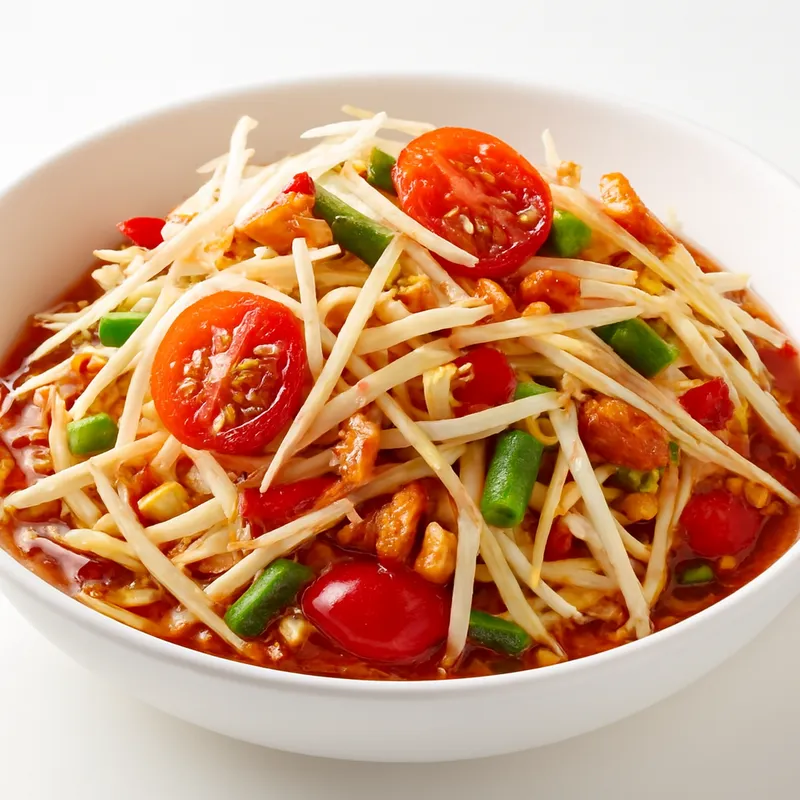
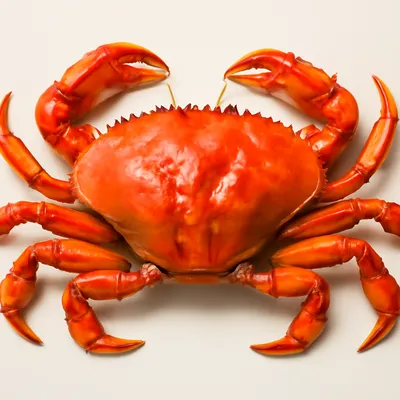
The kitchen-sink som tum: green papaya pounded with pickled rice noodles, fried pork rinds, fermented fish, dried small fish, salted crab, garlic, and many chiles.
Tum mua means literally pounded everything — mua is the Isaan word for jumbled or all-mixed. It is a market-stall and roadside dish, the version that vendors make when they want to use up odds and ends and please regulars who order it spicier and funkier than the standard som tum. The dish became a fixture of Bangkok's Isaan migrant food culture in the 1970s-80s as Isaan workers moved to the capital and brought their preserves with them.
「Pounded everything」 — the market-stall version Isaan vendors make to use up odds. Rose to fixture status in Bangkok in the 1970s-80s with Isaan migrant cooking. Pork rinds turn from crisp to chewy within 8-10 minutes; eat fast.
Five textures hit at once: crisp papaya, slick noodles, half-soft pork rind, brittle dried fish, the brine of crab. The dressing is almost black with pla ra. Heat is enormous — tum mua often runs 8-12 chiles for two people, double a tourist som tum. The rice noodles act as flavor sponges, coming out the most intensely seasoned bite on the plate. Eat fast: the pork rinds turn from crisp to chewy within 8-10 minutes as they soak.
Order of pounding matters: dressing first (chiles dissolve and salt distributes), then hard items (crab, dried fish — bruise to release brine), then bulk crisp/soft items (papaya, noodles — pak-loi only), and finally pork rinds tossed not pounded. Reversing the order gives you either bone-dry papaya or soggy rinds. Khanom jeen also lower the dressing's effective intensity by absorbing volume — recipes that skip the noodle keep the chile count lower for the same heat profile.
Variations
Standard tum mua (papaya, noodle, pork rind, dried shrimp, salted crab); tum sua adds rice vermicelli only; tum tat is the platter version stacked with grilled meats; tum lao tat (large family-share platter) loads on whole pickled crab; Khon Kaen vendors run 8-12 chiles per portion against tourist 2-3.
On the Palate
Where Tum Mua sits in the Thai flavor cloud
Ingredients
Serves 2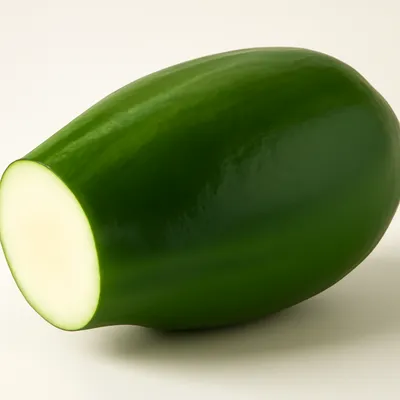







How it's made
6 steps · 20 min active + 5 min waiting
- 15 min
Shred 250g green papaya as for som tum — cleaver-tap, then shave.
- 25 min
Soak 50g khanom jeen (Thai pickled rice noodles) in cold water 5 minutes to loosen; drain. These add a soft starchy bulk that contrasts with the crisp papaya.
- 32 min
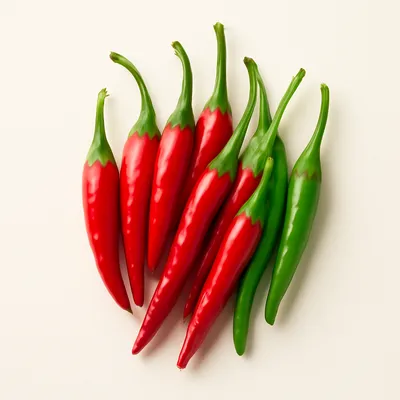
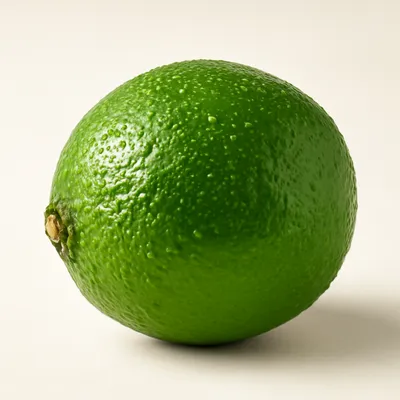
In a tall mortar, pound 5 garlic cloves and 8-12 bird chiles to a rough paste. Add 2 tablespoons palm sugar, 3 tablespoons lime juice, 2 tablespoons fish sauce, 2 tablespoons pla ra brine. Pound to dissolve.
Watch outPound the chiles and garlic into the dressing first until the sugar fully dissolves — that liquid base is what carries the seasoning into everything after.
- 42 min
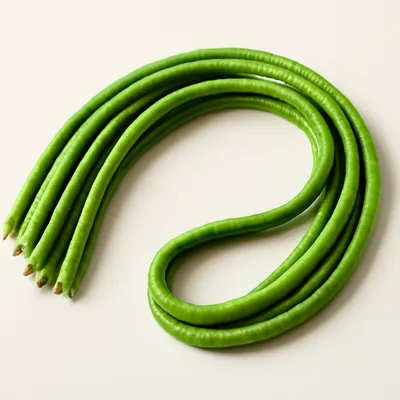
Add 2 cracked salted black field crabs, a small handful of dried tiny fish (pla noi), 3 halved cherry tomatoes, and a few long bean lengths. Pound briefly — bruise but don't pulverize.
Watch outAdd the crab and dried fish and pound just to bruise, not pulverize — over-pounding breaks them down and muddies the salad.
- 52 min
Add the papaya and noodles. Pak-loi pound (pestle from above, spoon from below) for 90 seconds. Then add a generous handful of fried pork rinds (kaep moo) and toss in by hand 3 turns — they go in last so they keep some crunch.
Watch outToss the pork rinds in by hand at the very end — pound them and they turn to paste; folded in last they keep their crunch.
- 61 min
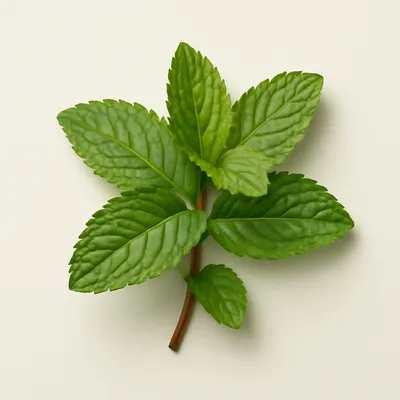
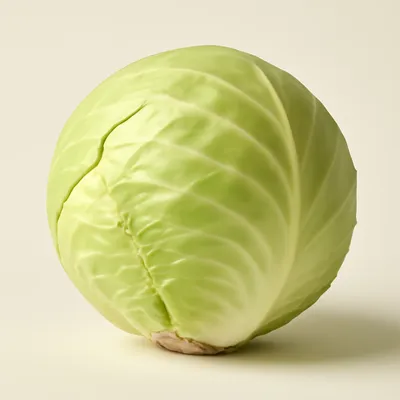
Tip onto a plate. Garnish with mint, raw long bean halves, and cabbage wedges. Eat in 5 minutes — the rinds soften fast in the dressing.
Archive tool suggestions — not reviewed
These legacy suggestions have not been evidence-reviewed and are not presented as required tools.
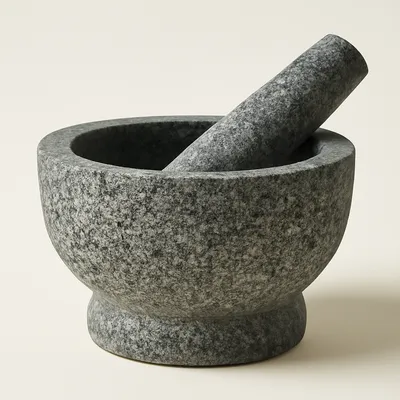
The simplest tool in any kitchen: a heavy bowl and a club to bash things in it. Different cuisines use different stones — Thai cooks pound green papaya in a tall granite mortar (krok hin); pesto Genovese requires the soft-pored Carrara marble; Indian masalas grind down on rough basalt. The bash-don't-cut motion releases volatile oils that a blade keeps sealed in the cell wall.

A heavy rectangular Chinese knife — the cai dao — with a flat 18-22 cm blade about 2 mm thick. The single tool handles every kitchen job: julienning ginger, splitting whole chickens, smashing garlic with the side of the blade, scooping diced onions on the broad face. The flat profile means knife-skill in Chinese kitchens is fundamentally different from Western technique — you push-cut and rock-cut, never slice through.