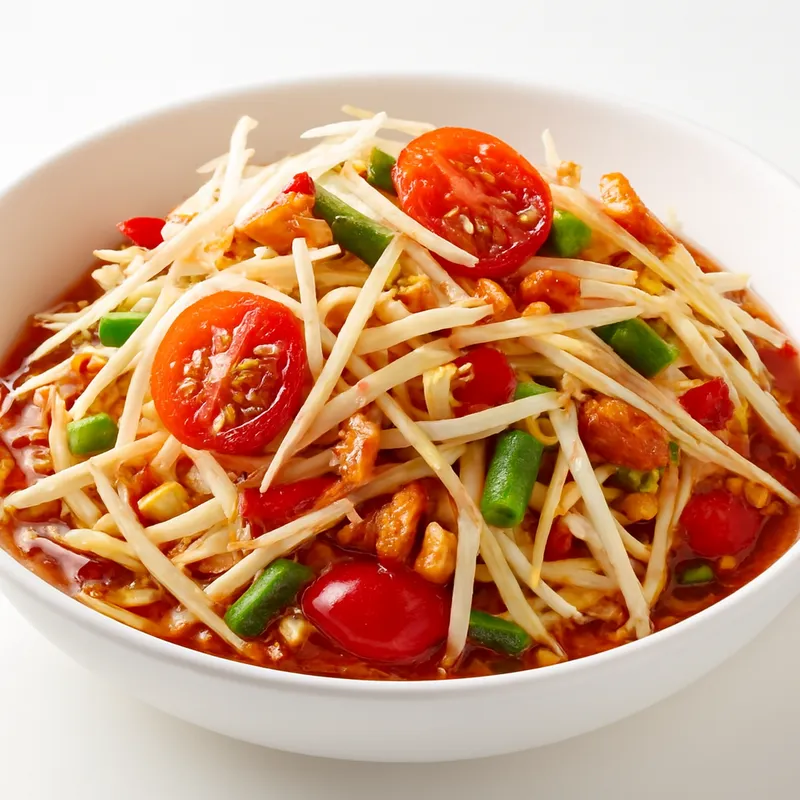
Green papaya pounded with salted black field crab and pla ra (fermented mud-fish brine), garlic, bird chile, palm sugar, lime — the funk-forward Isaan version.
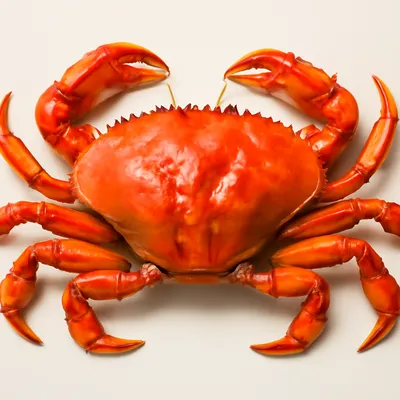
Pu pla ra is the Isaan-Lao home version of som tum, contrasted with som tum thai (peanuts, dried shrimp, more sugar) which was developed for Bangkok and central-Thai palates. The two key Isaan additions — pu khem (small black paddy crabs salted whole in brine) and pla ra (mud fish fermented with rice bran and salt for 6+ months) — are pantry preserves of the rice-paddy ecosystem, not market ingredients. The crabs are caught after the rice harvest when the paddies drain.
The Isaan-Lao home version, set against the sweetened Bangkok som tum thai. Pla ra is mud fish fermented with rice bran 6+ months; pu khem is whole paddy crab brined after harvest. The pooled brine at the bottom of the plate is the prize.
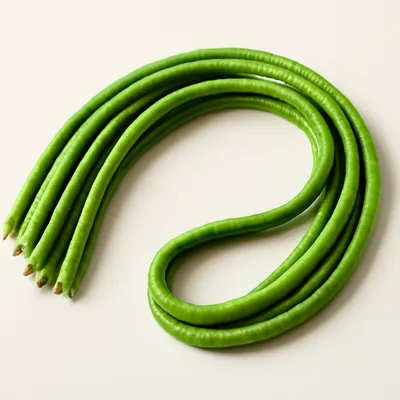
First impression is the funk — pla ra is not subtle, it smells like a low-tide creek and the salted crab doubles down. Then crunch: papaya snaps cleanly between molars, long bean squeaks, tomato bursts a cool seedy juice. Heat builds late, in the throat, not the tongue. The brine pooled at the bottom of the plate is the prize — drag sticky rice through it. If your som tum tastes mainly sweet or balanced, you're eating the Bangkok-tourist version (closer to som tum thai), not the real pu pla ra.
Pak-loi pounding (pestle from above, spoon from below) bruises papaya cell walls just enough to absorb the dressing without crushing the crunch — full pounding gives you slaw, not som tum. Pla ra adds glutamate and free amino acids the way fish sauce can't replicate; it's not interchangeable. The salted crab contributes more brine than meat — most cooks crack and discard the body and just want the carapace liquid.
Variations
Bangkok-tourist tum thai (peanut, dried shrimp, palm sugar); Vientiane tum lao (heavier pla ra, no peanut); tum sua adds rice vermicelli; tum khao pod swaps in corn; Roi Et home cooks add raw rice-paddy snails (hoi).
On the Palate
Where Som Tum Pu Pla Ra sits in the Thai flavor cloud
Ingredients
Serves 2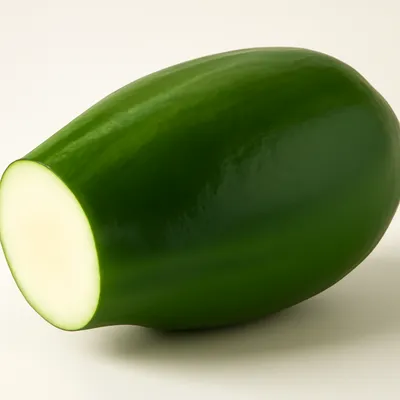





How it's made
6 steps · 15 min active + 5 min waiting
- 16 min
Peel one 400g green (unripe) papaya. Hold the papaya in one hand and chop the surface with a cleaver in parallel cuts, then shave off thin julienne strips with the blade. You want about 250g shreds. Rinse in cold water, drain.
- 21 min
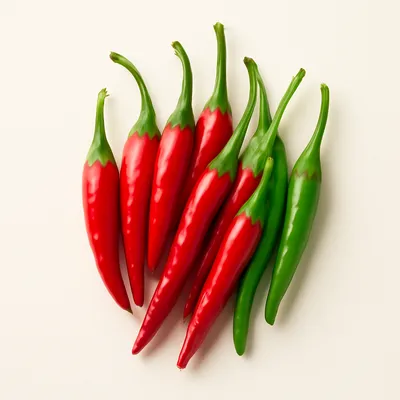
In a tall clay mortar (krok din), pound 4 garlic cloves and 4-6 fresh bird's-eye chiles to a rough paste — 10 seconds, just bruised, not smooth.
Watch outPound the garlic and chiles just 10 seconds to a rough bruise, not a smooth paste — you want them cracked open for aroma, still in bits.
- 31 min
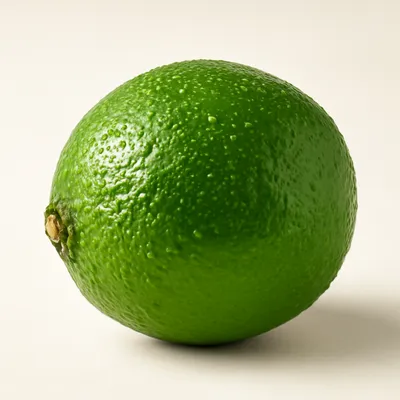
Add 2 tablespoons palm sugar, 2 tablespoons lime juice, 1.5 tablespoons fish sauce (nam pla), and 2 tablespoons pla ra brine (strained fermented fish liquid). Pound a few times to dissolve the sugar.
Watch outEnsure the sugar is fully dissolved to avoid graininess in the dressing.
- 42 min
Add 2 halved cherry tomatoes, a handful of long beans cut in 3cm pieces, and 2 small salted black field crabs (pu khem) cracked in half. Pound gently — bruise the tomatoes and beans, crack the crabs to release brine.
Watch outPound gently just to bruise the tomatoes and beans and crack the crabs open — the salted crab is here for its briny liquid more than its meat, so you're chasing the juice.
- 52 min
Add the shredded papaya. Switch to the pak-loi method: hold a long spoon in one hand and the pestle in the other, tapping the papaya from above while turning it up from below with the spoon. Pound-toss for 90 seconds — papaya should bend but stay crisp.
Watch outSwitch to the tap-from-above, turn-from-below method and pound-toss 90 seconds — the papaya should bend and take on the dressing but still snap; full pounding makes limp slaw.
- 61 min
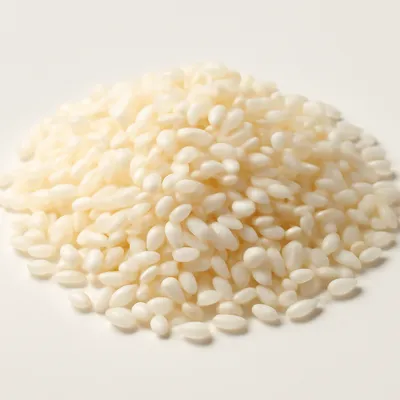
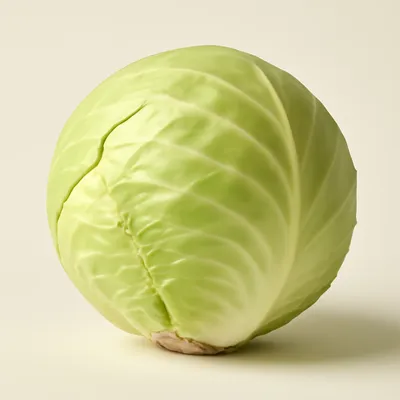
Taste — should be salty-funky-sour-spicy in that order, sweetness barely perceptible. Tip onto a plate, pour the mortar liquid over the top. Eat within 10 minutes with sticky rice and raw cabbage wedges.
Watch outTaste for salty-funky-sour-spicy in that order with sweetness barely there — if the sugar reads clearly, it's off balance for this pla-ra style.
Archive tool suggestions — not reviewed
These legacy suggestions have not been evidence-reviewed and are not presented as required tools.
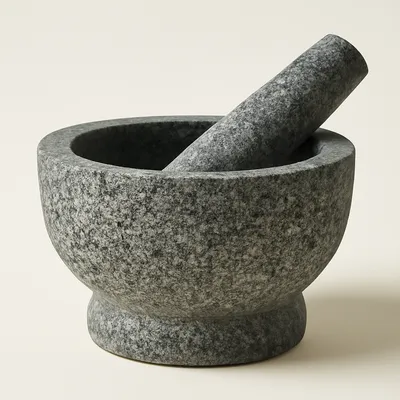
The simplest tool in any kitchen: a heavy bowl and a club to bash things in it. Different cuisines use different stones — Thai cooks pound green papaya in a tall granite mortar (krok hin); pesto Genovese requires the soft-pored Carrara marble; Indian masalas grind down on rough basalt. The bash-don't-cut motion releases volatile oils that a blade keeps sealed in the cell wall.

A heavy rectangular Chinese knife — the cai dao — with a flat 18-22 cm blade about 2 mm thick. The single tool handles every kitchen job: julienning ginger, splitting whole chickens, smashing garlic with the side of the blade, scooping diced onions on the broad face. The flat profile means knife-skill in Chinese kitchens is fundamentally different from Western technique — you push-cut and rock-cut, never slice through.

A deep granite mortar, 18-22 cm tall, paired with a granite pestle and used to pound Thai green-papaya salad (som tum) and curry pastes. Distinct from the Mexican molcajete — krok hin is taller and narrower, with steep walls that contain pounded ingredients. The pounding (not blending) is essential: the cell walls of green papaya, dried shrimp, palm sugar, and chiles release oils only under impact, not under shear.