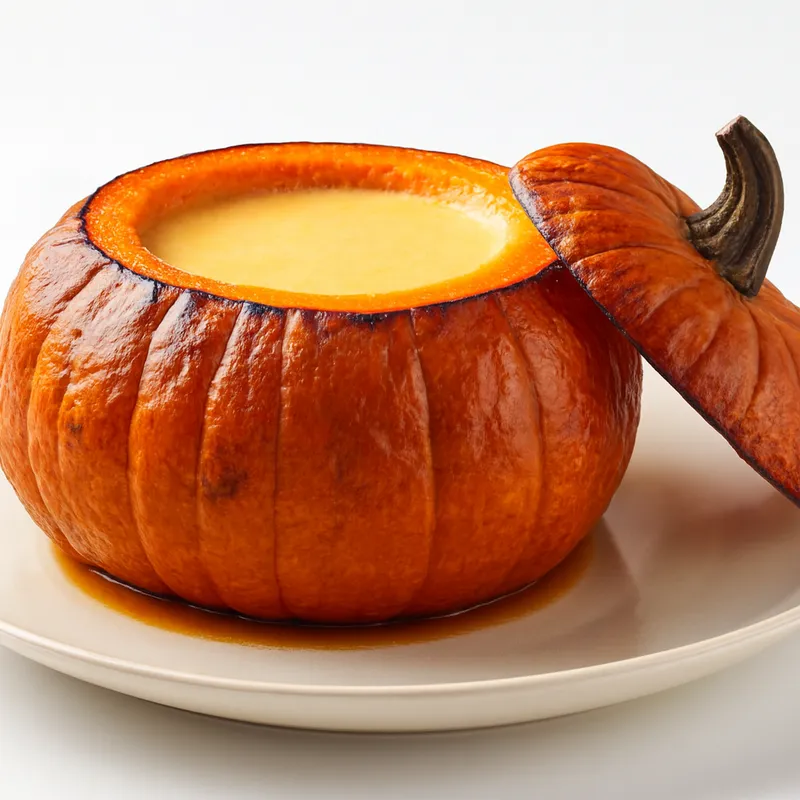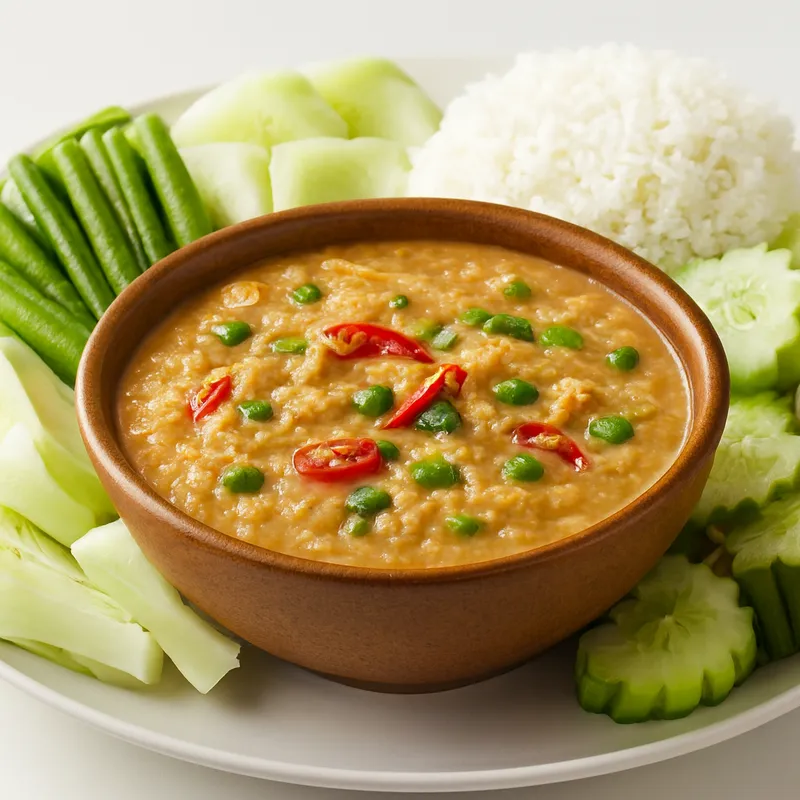
A savory dip made from fermented fish, coconut milk, and pork.





Prahok itself dates to at least the Angkor period — a Tonle Sap lake preservation method born from the annual fish glut, when monsoon-flooded rivers reverse the lake's flow and dump tons of mudfish. Salting and pressing the fish into clay jars for months gave Khmer cuisine its umami spine. Ktis ("to simmer in coconut") is the milder, festival-dish form, made when fresh prahok would be too aggressive for guests.
Prahok itself dates to the Angkor period — Tonle Sap's monsoon flood-reverse dumps tons of mudfish, salted into clay jars for months. Ktis means 'simmer in coconut'; the cream must split before prahok goes in, otherwise the paste boils into ammonia notes.
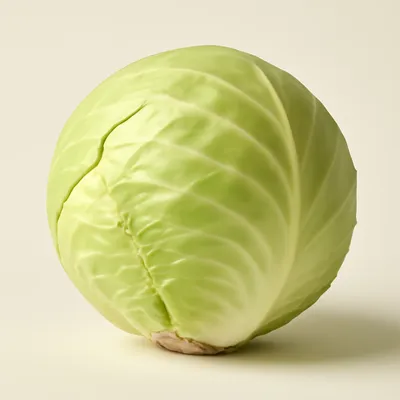
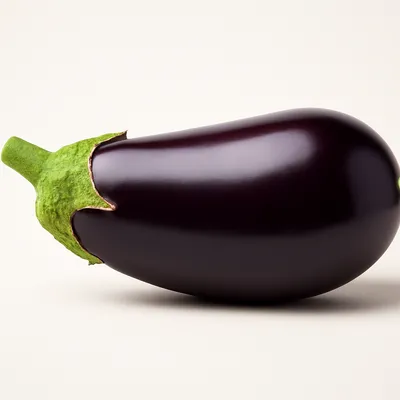
A dipping bowl of thick coconut cream gone savory, brick-red from chili and turmeric, with minced pork, prahok (fermented fish paste), and a yellow kroeung paste of lemongrass and galangal folded through. Kept at room temperature on the table with a tray of raw vegetables — cabbage, cucumber, long beans, eggplant — to scoop it. Pungent on first sniff, mellower on the tongue. The smell tells you the prahok is real.
Coconut cream temperature control is the technical move: the cream must split — separate into oil and solids — before the prahok goes in, so the paste fries rather than boils. Boiling prahok in liquid releases ammonia notes that turn rancid; frying it briefly in cracked coconut oil pulls out the deeper roasted-fish flavor instead. Watch for an oil halo on top; without it, the cook rushed the split.
Variations
Battambang household version (heavier prahok, lighter coconut); Phnom Penh restaurant version mellower for tourist palates; Kampot coastal cooks use fresh river prawns alongside pork; festival version adds minced beef instead of pork for halal-adjacent guests.
On the Palate
Where Prahok Ktis sits in the Cambodian flavor cloud
Ingredients





How it's made
5 steps · 16 min
- 12 min
Finely chop the garlic and lemongrass, releasing their aromatic oils. In a hot pan, sauté them gently until fragrant and slightly golden, about 2 minutes.
Watch outAvoid burning the garlic; it turns bitter quickly.
- 25 min
Add the ground pork to the pan, breaking it up with a spatula. Cook until it browns evenly and any liquid has evaporated, about 5 minutes.
Watch outEnsure that the pork is fully browned to develop depth in flavor.
- 33 min
Stir in the fermented fish paste and prahok, letting them meld with the meat and aromatics. Cook for another 3 minutes until the mixture is well integrated and aromatic.
Watch outFermented fish paste can be potent; ensure good ventilation.
- 45 min
Pour in the coconut milk, stirring gently to combine. Let it simmer until the sauce thickens slightly and the flavors meld, about 5 minutes.
- 51 min
Finish with a sprinkle of fresh herbs, stirring them in just before serving to preserve their vibrant flavor.
Archive tool suggestions — not reviewed
These legacy suggestions have not been evidence-reviewed and are not presented as required tools.