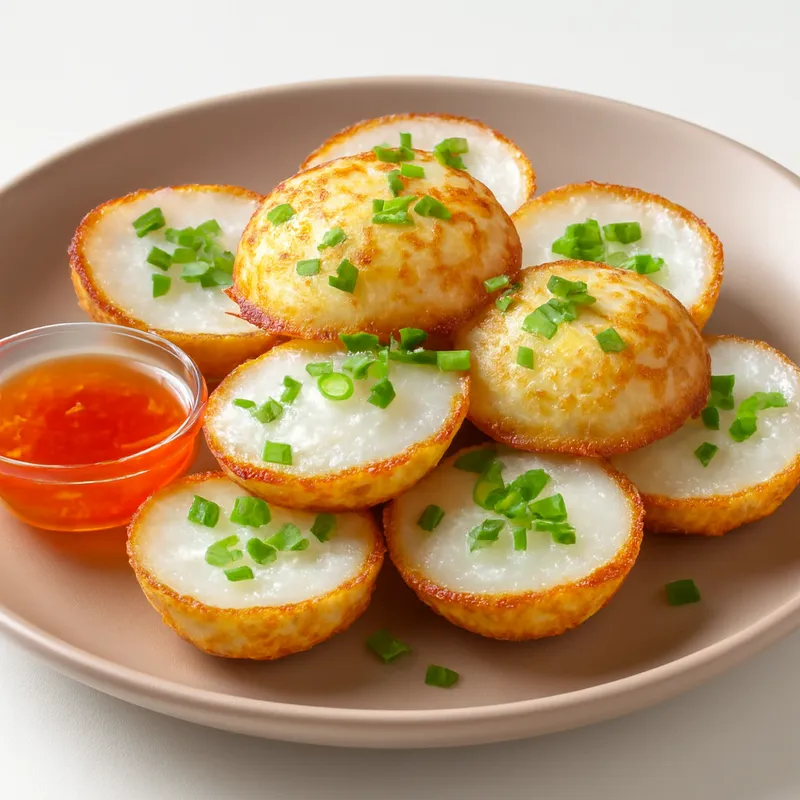
Bite-sized rice flour cakes, crisp on the outside and creamy with coconut milk inside.


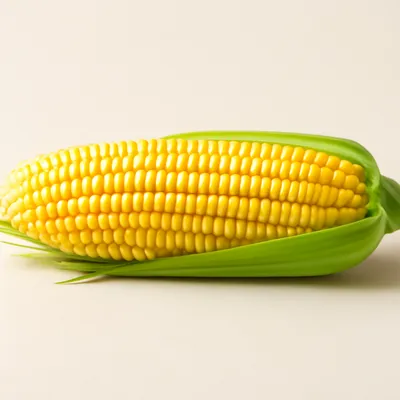
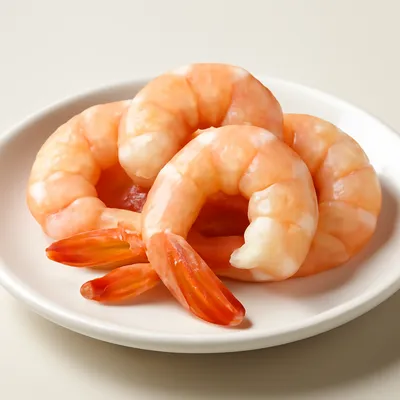
Khmer street snack with siblings across the region — Thai khanom krok, Lao khao nom krok, — all descending from a shared rice-flour-and-coconut tradition predating modern borders. The mold itself is the constant: cast iron, deep hemisphere wells, charcoal-heated. Cambodian versions tend savorier (scallion, corn, sometimes shrimp) than the Thai sweet ones.
Khmer street snack with siblings across the region — Thai khanom krok, Lao khao nom krok, Malay kuih kosui — descending from a shared rice-flour-and-coconut tradition. Cast-iron half-sphere mold over charcoal. Two batters: rice flour first to crisp, coconut cream layered on to stay custardy.
Half-sphere coconut-rice cakes cooked in a cast-iron mold with hemispherical wells, like Japanese takoyaki pans repurposed. Bottom layer is rice flour batter, top is coconut cream with scallion or corn pressed in. Crisp brown shell, custardy inside. Eaten hot off the pan — they go gummy in minutes. Sold morning-market in folded banana-leaf cups.
Two batters, two textures, one mold. Rice flour batter goes first into a hot, oiled well — it sets crisp against the iron. Coconut cream batter (thicker, richer, slightly sweet) is layered on top once the bottom firms, so it stays soft and pudding-like. The mold lid traps steam to set the top without browning it. Pull early and the cake collapses; pull late and the shell turns brittle.
Variations
Phnom Penh morning-market savory version (scallion, corn); Battambang vendors press shrimp into the top; Thai khanom krok is sweeter, often with taro; Lao khao nom krok keeps it plain coconut.
On the Palate
Where Nom Krok sits in the Cambodian flavor cloud
Ingredients


How it's made
5 steps · 1 hour
- 13 min
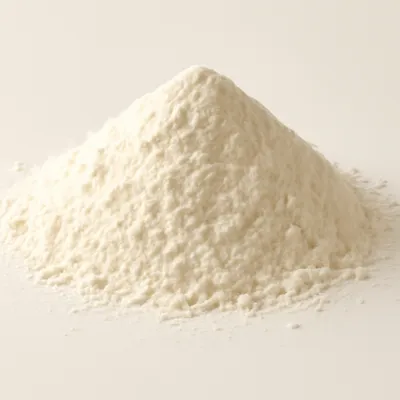
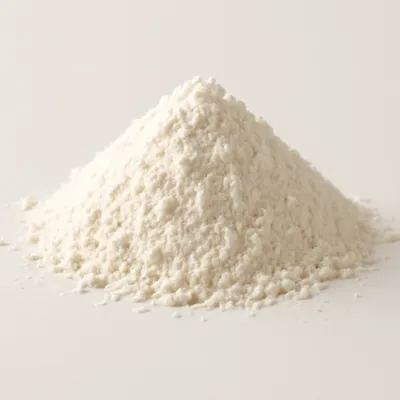
Mix rice flour, coconut milk, sugar, and salt into a batter.
Watch outWhisk the rice-flour batter smooth and pourable like thin cream — lumps here mean the shell won't set crisp against the mold.
- 25 min
Heat a special pan with round indentations over medium heat.
Watch outOil the wells and get the mold hot enough that a drop of batter sizzles on contact — a cold pan gives a soggy, stuck-on bottom.
- 32 min
Pour the batter into the indentations and sprinkle with scallions.
- 45 min
Cook until the edges are golden and crisp.
Watch outPull when the edges go golden and crisp but the center still jiggles soft — too early it collapses, too late the shell turns brittle.
- 515 min
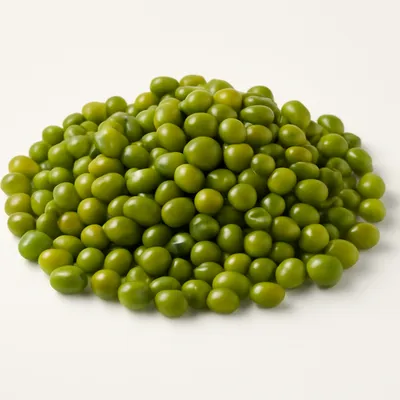
Serve warm, often with mung bean on top.
Archive tool suggestions — not reviewed
These legacy suggestions have not been evidence-reviewed and are not presented as required tools.

A heavy, single-piece cast iron pan, 25-30 cm across, weighing 1.5-2.5 kg. Once preheated, the thick mass holds 230°C+ even when a cold steak hits the surface — that's the secret to a deep crust. A well-seasoned skillet (multiple thin layers of polymerized oil baked into the iron) is essentially nonstick, gets better with use, and lasts a century. Lodge skillets from Tennessee have been in continuous production since 1896.
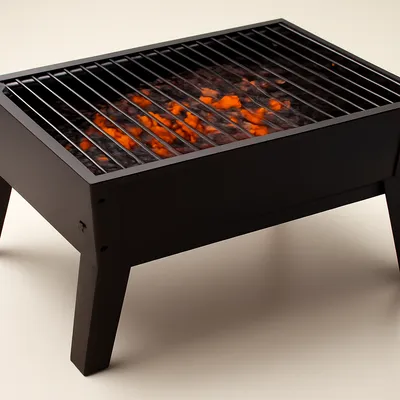
An open or hooded metal frame holding a bed of glowing charcoal embers, with a grate above. Charcoal burns at 700°C+ on the surface and emits short-wave infrared, which cooks proteins faster and with deeper Maillard browning than gas. Hardwood lump charcoal (oak, mesquite, fruitwood) lends its own smoke; cheap briquettes do not. Mastery is mostly heat zoning — direct over coals for searing, indirect off-coals for slow-roasting.