用极薄的酥皮(phyllo)包一勺 ashta(以玫瑰水、橙花水调香的凝奶油),卷成细长指状,封口后下深油炸至金棕,趁热浸入凉的玫瑰水糖浆,撒上碎开心果。是沙姆(黎巴嫩、叙利亚)一带的奶油酥皮甜点,名字 znoud el-sit 意为「贵妇的手臂」,取其细长卷形。



Znoud el Sit is a Shami sweet of the Ottoman-era pastry tradition that also produced baklava, but it diverges from baklava on two points: the filling is ashta clotted cream perfumed with rose and orange-blossom water, not nuts; and it is fried, not baked. The name means 'ladies' arms,' referring to the slim rolled shape. It belongs to the family of cream-filled Shami sweets served at celebrations and through Ramadan, when the deep-fryers and sugar syrup come out nightly. Like other Shami cream sweets, it is associated with the old patisseries of Beirut, Damascus and Tripoli.
Bite through a glassy, syrup-glossed shell that cracks loudly; inside, the cool ashta is silky and faintly floral, almost custardy, with the pistachio adding a bitter-green crunch. Hot crisp and cool cream meet in one mouthful.
Phyllo is starch-and-water dough rolled paper-thin; on frying, the moisture flashes to steam and the starches gelatinize then dehydrate into a brittle glass. Brushing with butter creates separated, flaking layers. The non-obvious move is the temperature contrast at the syrup stage: drenching the hot pastry in cool syrup drives rapid capillary uptake while the starch network is still open from frying, so the shell absorbs syrup without going soggy for several minutes. Ashta's cream proteins and fat stabilize the emulsion so it holds its shape inside the hot shell. Pour hot syrup on hot pastry and it collapses.
Variations
Some Shami bakers wrap a layer of knafeh angel-hair pastry around the ashta for extra crunch beneath the phyllo. A modern café version bakes the rolls instead of frying. The cream is sometimes lightened with whipped cream or ricotta for a milder, less rich filling.
On the Palate
Where Znoud el Sit (Lebanese) sits in the Lebanese flavor cloud
Ingredients
Serves 6
How it's made
6 steps · 50 min
- 112 min
Make the ashta: heat 1 L whole milk with 3 tbsp sugar and 1 tbsp cornstarch (slaked in cold milk), stirring until thick; stir in 1 tsp each rose water and orange blossom water; spread on a tray, cool, then chill.
Watch outCook the milk, sugar and cornstarch stirring until it's thick enough to hold a line on the spatula, then chill it firm — a loose ashta oozes out of the fried shell.
- 26 min
Lay out 12 phyllo sheets; cut each into 3 strips about 8 cm wide; keep the stack under a damp towel so the dough does not dry.
- 312 min
Place 1 tbsp of chilled ashta near the bottom of a strip; fold the sides in over it; roll up snugly into a slim cigar; seal the edge with a flour-and-water paste; repeat to make ~24 cigars.
- 46 min
Heat 5 cm of neutral oil to 180 degrees C; fry the cigars in batches, turning, until deep golden all over, about 2-3 minutes; lift to a rack.
Watch outFry the cigars at 180°C, turning, until deep golden all over — the phyllo has to crisp into brittle glass before the syrup dip, or it goes soggy.
- 54 min
While still hot, drop each cigar into warm (not hot) rose-water sugar syrup for 10 seconds, turning to coat; lift out and let excess drip.
Watch outDrop each hot cigar into warm, not hot, syrup for just ten seconds — the cool syrup wicks in while the shell is still open; hot syrup or a long soak drowns the crunch.
- 65 min
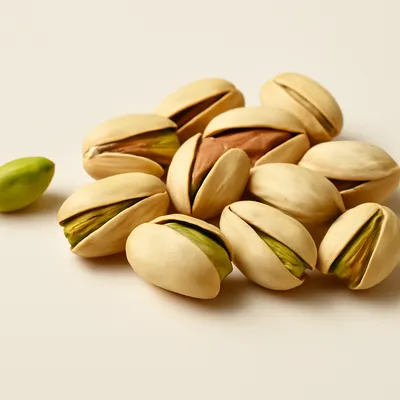
Arrange on a plate, crowding slightly; shower with finely crushed pistachios; serve at once, while the shell is still crisp and the cream cold.
Archive tool suggestions — not reviewed
These legacy suggestions have not been evidence-reviewed and are not presented as required tools.


