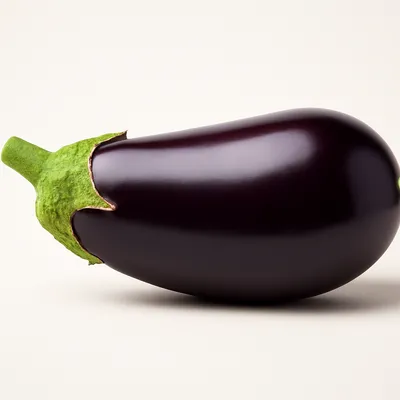
拇指大的小茄子汆烫、压实去水,填入核桃、烤红椒、蒜和辣椒的粗末,再用橄榄油浸没,常温放五到七天入味。是黎凡特(叙利亚、黎巴嫩、巴勒斯坦、约旦)冬季储食 mouneh(即「穆奈」,秋日腌制油浸以备过冬的传统)的常见品种,从罐里夹出配薄饼,多见于早餐和冷盘。



Makdous is a Levantine preserve — claimed by Syria, Lebanon, Palestine and Jordan alike — belonging to mouneh, the autumn pantry ritual of curing summer produce in oil and salt to see a household through winter. The name comes from Arabic makdūs, the passive participle of kadasa, 'to pile up' or 'to heap,' referring to the weighted pressing of the blanched eggplants that drives out their bitter water before stuffing. It is unrelated to the Semitic root q-d-s ('holy,' as in al-Quds / Jerusalem), despite the phonetic resemblance. Made in large batches each autumn when baby eggplants come in, it sits in jars in cool cellars for months and is eaten straight through to spring at breakfast and the mezze table.
Cold from the jar, the baby eggplant skin has a slight snap before giving way to a silky, oil-slicked interior; the walnut filling is crunchy, garlicky and faintly hot, with the deep fruity warmth of the roasted red pepper. A persistent savory richness from the cured oil coats the palate. Eaten with bread, it softens into a mellow, moreish bite.
The preservation rests on two mechanisms. First, osmotic dehydration: salting the blanched eggplants draws water and the bitter solanine out through the cell walls, and pressing under a weight expels more free water — spoilage microbes need water to grow. Second, the oil seal: submerging the stuffed eggplants completely in olive oil creates an oxygen-excluding barrier that, with the garlic's allicin and the salt, allows a slow, light lactic-acid fermentation over the curing week while inhibiting surface molds. The walnuts contribute tannins and oil that mellow the flavor as the jars sit. Under-salt and it ferments wild; leave air gaps and it molds.
Variations
Syrian versions lean hotter, doubling the chili. Some households swap walnuts for almonds or a walnut-pine-nut blend for a sweeter, less tannic filling. A modern shortcut skips the oil cure and refrigerates the stuffed eggplants after a single day — edible, but missing the lactic depth of the traditional version.
On the Palate
Where Makdous sits in the Lebanese flavor cloud
Ingredients
Serves 8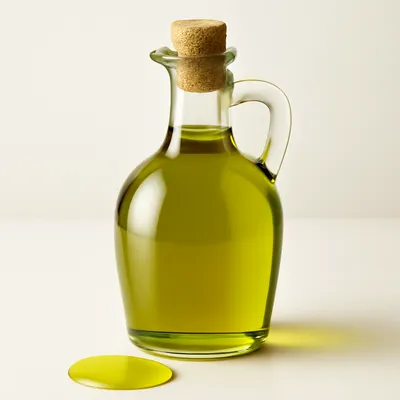
How it's made
6 steps · 45 min
- 110 min
Trim the stems from 1 kg of small baby eggplants, leaving them whole; boil in well-salted water for 5-7 minutes until just tender but not collapsing, then drain.
- 25 min
Slit each eggplant lengthwise down one side without cutting through, opening it like a book; sprinkle the insides generously with salt, set on a rack, and weigh down with a board and a heavy can; leave 12 hours (ideally overnight) to expel their bitter liquid.
Watch outSalt the split eggplants and weight them a full 12 hours until they give up their bitter liquid — skip this and the makdous stays bitter and won't keep.
- 310 min
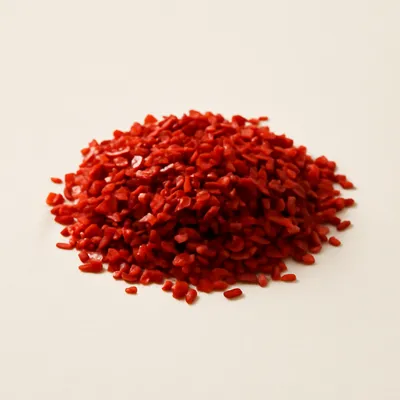
Coarsely crush 200 g walnuts and finely chop 2 roasted and peeled red peppers; mash 1 whole head of garlic to a paste with 1 tsp salt and 1 tsp Aleppo pepper; combine everything into a thick, textured filling.
- 48 min
Press the eggplants once more to remove any residual liquid; spoon a generous teaspoon of the filling into each eggplant cavity and close it gently so it holds its shape.
Watch outPress out every last drop of moisture before stuffing — residual water in the jar breeds mold under the oil and ruins the batch.
- 57 min
Pack the stuffed eggplants tightly, seam-side up, into a clean dry jar; pour olive oil over them, tapping the jar to release air bubbles, until they are submerged by at least 2 cm of oil; seal the jar.
Watch outTop up the oil until the eggplants sit under at least 2cm — any bit exposed to air molds, so keep them fully submerged.
- 65 min
Rest the jar at cool room temperature (about 20 degrees C) for 5-7 days, inverting it gently once a day, before opening; thereafter keep refrigerated and always ensure the eggplants remain covered with oil.