
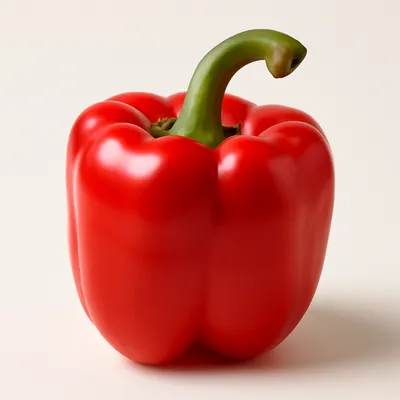
Black beans simmered with a sofrito of onion, green pepper, and garlic until thick and glossy, then ladled over fluffy white rice — or cooked together in one pot as moros y cristianos, where the rice turns dark with the bean liquor. A Cuban staple of Miami and Tampa tables, eaten as a side or, with sweet plantains, as a meal in itself.




Black beans and rice is a Cuban dish, Florida-beloved rather than Florida-born, carried to Miami and Tampa by the Cuban community across two waves — the Ybor City cigar workers from 1886 and the exile community that followed Castro's rise in 1959. Cooked together it is moros y cristianos, 'Moors and Christians,' a name traditionally said to cast the black beans as the Moors and the white rice as the Christians of medieval Spain, though that symbolism, while widely repeated, rests on no scholarly source; even the dish's birthplace, peninsular Spain or the Spanish Caribbean, is uncertain. The eastern-Cuban one-pot version, classically made with red beans, is called congrí.
The beans pool dark and glossy over fluffy rice — creamy, almost velvety, some burst into a silky liquor. Underneath runs the deep savor of the sofrito, earthy with cumin, resinous with oregano, a bay backbone; then a splash of vinegar or wine cuts through with a bright, tangy snap, balanced by a whisper of sugar. The clean rice cushions all of it. Cooked as moros, every grain takes on the smoky-dark color and flavor of the beans.
The base is the sofrito — onion, green pepper, and garlic softened in olive oil — seasoned with cumin, oregano, and bay and finished late with vinegar or dry wine and often a pinch of sugar; for black beans specifically the classic dark versions skip tomato. Two points of bean chemistry matter and overturn old kitchen myths: salting the beans early does not toughen them but tenderizes the skins, as sodium displaces the calcium and magnesium that cross-link the skin's pectin; and acid is added late, because in an acidic pot the pectin breaks down slowly and the beans stay firm — exactly why the vinegar or wine goes in at the end. Mashing a cup of the cooked beans back in gives the dish its silky body.
Variations
The clearest fork is moros y cristianos, beans and rice cooked together in one pot, versus the everyday home form of beans cooked separately into a thick stew and ladled over white rice. The eastern-Cuban congrí uses red beans; a thicker stew without rice is a potaje. Pork — ham, bacon, or a ham hock — is common but optional, and many authentic home versions are vegetarian. The dish is often crowned with a fried egg or a spoon of picadillo, or set beside sweet plantains.
On the Palate
Where Cuban Black Beans and Rice sits in the American flavor cloud
Ingredients
Serves 6
How it's made
5 steps · 30 min active + 2 hours waiting
- 1100 min
Simmer the black beans with a bay leaf and salt until tender, about an hour and a half to two hours.
Watch outSimmer the beans with salt from the start until the skins turn soft and creamy — early salt tenderizes the skins, it doesn't toughen them.
- 28 min
Soften onion and green pepper in olive oil, add garlic, then the cumin and oregano, to build the sofrito.
- 325 min
Stir the sofrito into the beans and mash about a cup of them for body; simmer 20 to 30 minutes.
- 43 min
Off the boil, stir in vinegar or dry white wine and a pinch of sugar, and adjust the salt.
Watch outStir the vinegar or wine in off the boil, right at the end — added early, the acid keeps the beans firm and stalls the softening.
- 55 min
Ladle over fluffy white rice. To make moros instead, cook the rice in the seasoned bean liquor so it absorbs the color and flavor.
Archive tool suggestions — not reviewed
These legacy suggestions have not been evidence-reviewed and are not presented as required tools.



