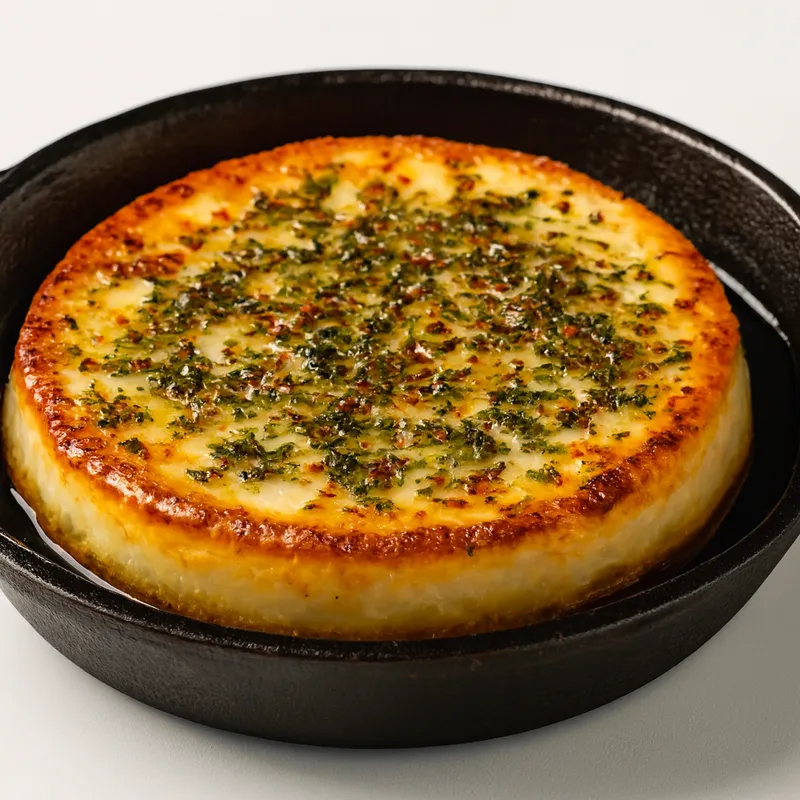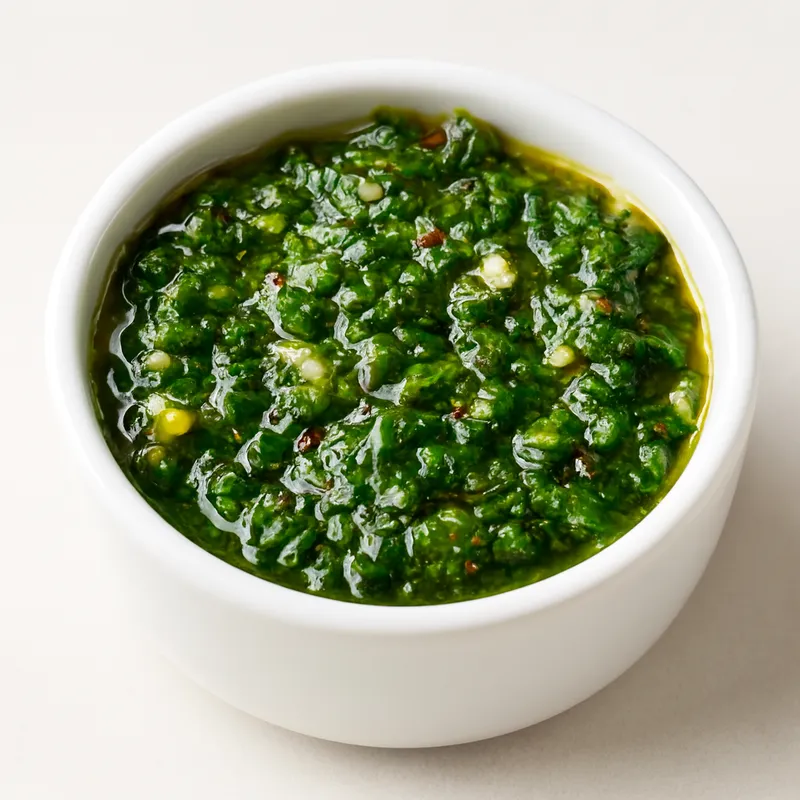
A herb-based sauce of parsley, garlic, oregano, and red wine vinegar, sharp and bright over grilled meats.




The sauce shows up by name in late-19th-century Argentine and Uruguayan cooking, almost certainly Basque-immigrant influenced (parsley-and-garlic salsa verde traditions from the Iberian north). Theories about an Irish "Jimmy McCurry" or English "Jimmy Curry" are folk etymology with no documentation. By the 1920s it was the standard table sauce at the parrilla across both sides of the Río de la Plata.
Late-19th-century Argentina and Uruguay; almost certainly Basque-immigrant lineage from Iberian parsley-and-garlic salsa verdes. The Jimmy McCurry folk etymology is unsupported. Hand-chop, never blend — a food processor bruises parsley and the sauce turns grassy.
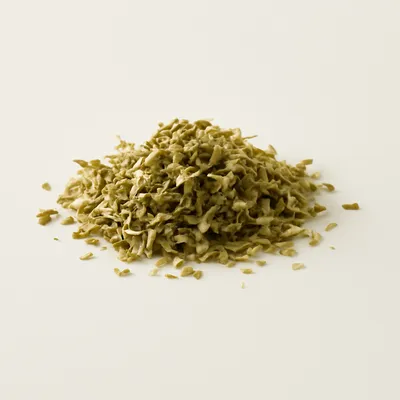
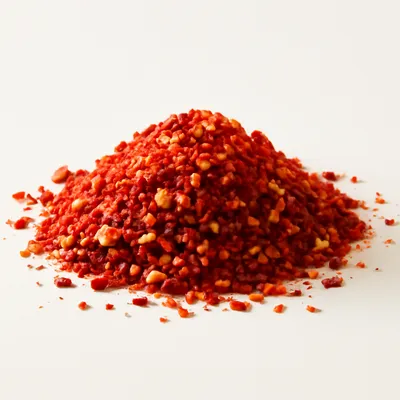
An oil-and-vinegar emulsion broken on purpose: chopped flat-leaf parsley, garlic, dried oregano, red wine vinegar, olive oil, sometimes a pinch of red pepper flakes. Bright green, loose, never blended smooth. Spooned over grilled meat at the table, and also commonly used as a marinade. Tastes garlic-forward, herbal, sharp from the vinegar; the oil carries it across the meat.
Chimichurri is supposed to be broken, not blended. The herbs need to be hand-chopped — a food processor bruises parsley and turns the sauce into baby-food paste that tastes grassy and bitter. The vinegar and oil should sit in a loose suspension so each spoonful lands distinct: oil-coated meat, then a pop of vinegar acid, then garlic. Letting it rest for a few hours lets the flavors marry without homogenizing.
Variations
Chimichurri verde (the standard parsley-garlic-vinegar-oil); chimichurri rojo (paprika-led, sometimes with red pepper paste); Uruguayan versions tilt herbier with thyme; some northern Argentine cooks add fresh oregano alongside the dried.
On the Palate
Where Chimichurri sits in the Argentinian flavor cloud
Ingredients

How it's made
6 steps · 15 min
- 11 min
Finely chop parsley and garlic.
Watch outHand-chop the parsley and garlic with a knife — a processor bruises the leaves and the sauce goes bitter and pasty like baby food.
- 21 min
Combine chopped parsley, garlic, oregano, and red pepper flakes in a bowl.
- 32 min
Add red wine vinegar and olive oil to the mixture.
Watch outStir just enough to loosely suspend the oil and vinegar — don't emulsify it; each spoonful should hit oil, then a pop of vinegar, then garlic.
- 41 min
Season with salt to taste.
- 510 min
Let the chimichurri rest for at least 30 minutes to meld flavors.
Watch outLet it rest a few hours so the flavors marry, but don't leave it so long it goes uniform — you still want the pieces distinct.
- 61 min
Serve as a condiment with grilled meats.
Archive tool suggestions — not reviewed
These legacy suggestions have not been evidence-reviewed and are not presented as required tools.