A festive showpiece of Mardin and Diyarbakır: a whole rack of lamb ribs slit to open a pocket between meat and bone, packed with a spiced pilaf of rice, almonds and diced lamb, sewn shut with needle and thread, and slow-cooked for hours until the meat is meltingly tender. Despite the name 'dolma', it shares only the verb 'to fill' with stuffed vegetables — this is stuffed lamb ribs, a centrepiece reserved for weddings, holidays and honoured guests. In Mardin the rich rice stuffing has its own name, haşu.




Kaburga dolması is claimed by both Mardin and Diyarbakır, two southeastern cities with a long-running and well-documented rivalry over the dish. Mardin holds the older protected geographical indication (registered 2009), and it is there that the rice-and-almond stuffing is known as haşu, eaten on its own as well; Diyarbakır's version, also GI-protected (registered 2021), leans a little more on herbs and tomato paste. It is a celebration dish across the region, prepared for religious holidays — especially Kurban Bayramı (Eid al-Adha) — weddings and the honouring of guests. The word kaburga simply means 'rib', and dolma comes from the verb doldurmak, to fill.
The ribs come to the table whole and glistening, the meat so tender it pulls cleanly off the bone, the fat rendered soft and rich. Splitting the rack open spills out the haşu — buttery rice studded with whole almonds and morsels of lamb, warmly spiced with black pepper and allspice. The contrast is the pleasure: the deep, slow-roasted meat against the fragrant, nutty rice that has drunk up the rib fat through the long cooking. It is rich, ceremonial food, carved and shared from one grand piece.
Sewing the pocket shut with needle and thread is essential — it traps the rice inside so it steams in the rib's own rendered fat and juices rather than spilling out, and the grains finish plump, glossy and deeply flavoured. The long, gentle cooking, covered, does two jobs at once: it breaks down the tough connective tissue and collagen of the rib cage into gelatine for fall-off-the-bone tenderness, and it cooks the stuffing through from the heat and moisture of the meat around it. The almonds are added whole so they keep a little bite against the soft rice, and the rice is usually par-cooked first so it does not stay raw at the centre of the packed cavity.
Variations
Mardin's version is defined by its haşu stuffing of rice, almonds and lamb, sometimes with currants and a touch of cinnamon in home kitchens; Diyarbakır's adds more tomato paste and herbs. Cooks may bake it in a covered pot or a stone oven, and a traditional tandır is sometimes used, though the geographical-indication recipes specify a pot or oven. Pine nuts appear in some versions alongside or in place of almonds. The stuffing, haşu, is also served on its own as a rich pilaf without the ribs.
On the Palate
Where Kaburga Dolması sits in the Turkish flavor cloud
Ingredients
Serves 8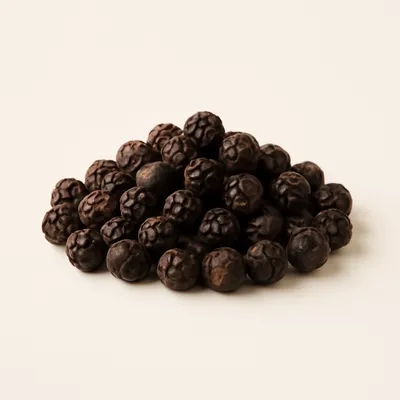
How it's made
6 steps · 1 hour 15 min active + 4 hours 15 min waiting
- 120 min
Have the butcher leave the rack of lamb ribs whole; with a sharp knife, slit a deep pocket between the meat and the bones without piercing through.
Watch outSlit a deep pocket between meat and bone without piercing through — a hole anywhere and the rice steams out into the pan instead of plumping inside the rib.
- 225 min
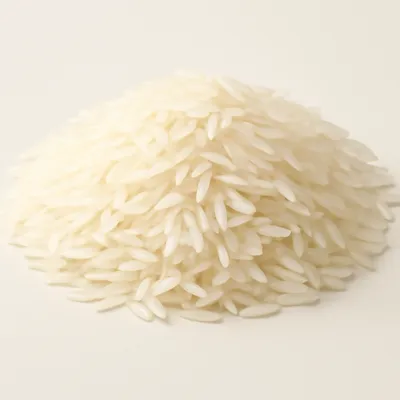
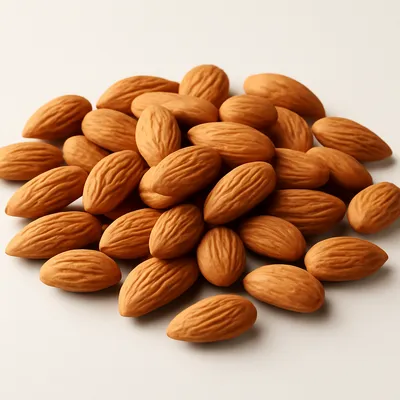
Toast the almonds in butter, add diced lamb and chopped onion and brown, then stir in the rice with black pepper, allspice and salt and par-cook into a stuffing (haşu).
- 315 min
Pack the stuffing firmly into the rib pocket, then sew the opening closed with a clean needle and thread.
Watch outSew the opening shut tight with needle and thread — this traps the rice so it steams plump in the rib's own fat; a loose seam and the stuffing spills as it cooks.
- 4240 min
Place the stuffed ribs in a heavy covered pot or roasting dish with a little water and fat, and cook low and slow for about 4 hours until very tender.
Watch outCook covered, low and slow about four hours until very tender — the rib's tough collagen only turns to fall-off-the-bone gelatin with long gentle heat.
- 530 min
Uncover and roast a final stretch to brown the outside, basting with the pan juices.
- 610 min
Rest briefly, snip out the thread, then carve at the table so the stuffing spills out alongside the meat.
Archive tool suggestions — not reviewed
These legacy suggestions have not been evidence-reviewed and are not presented as required tools.