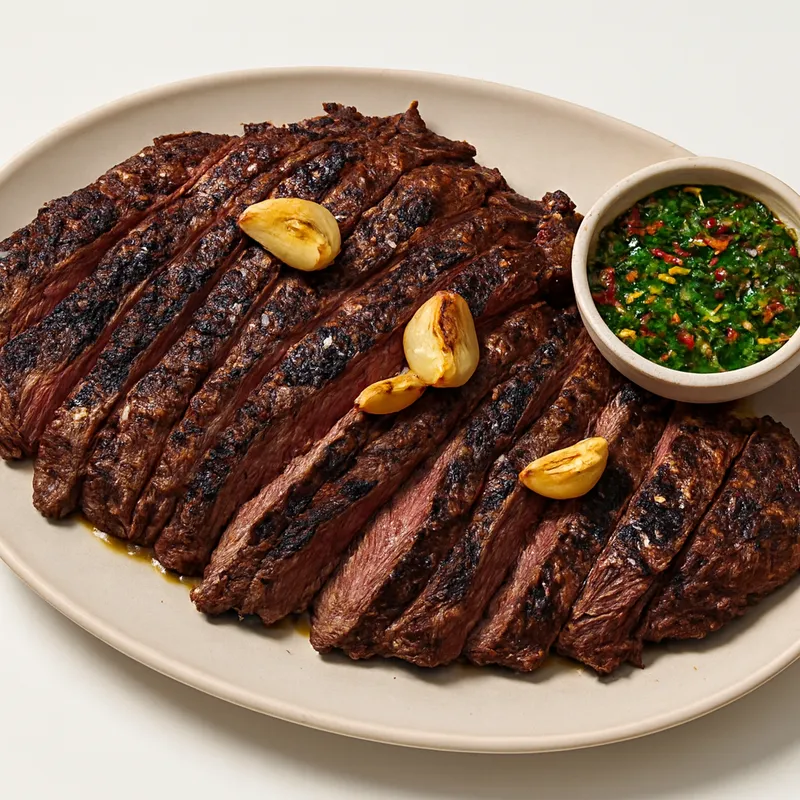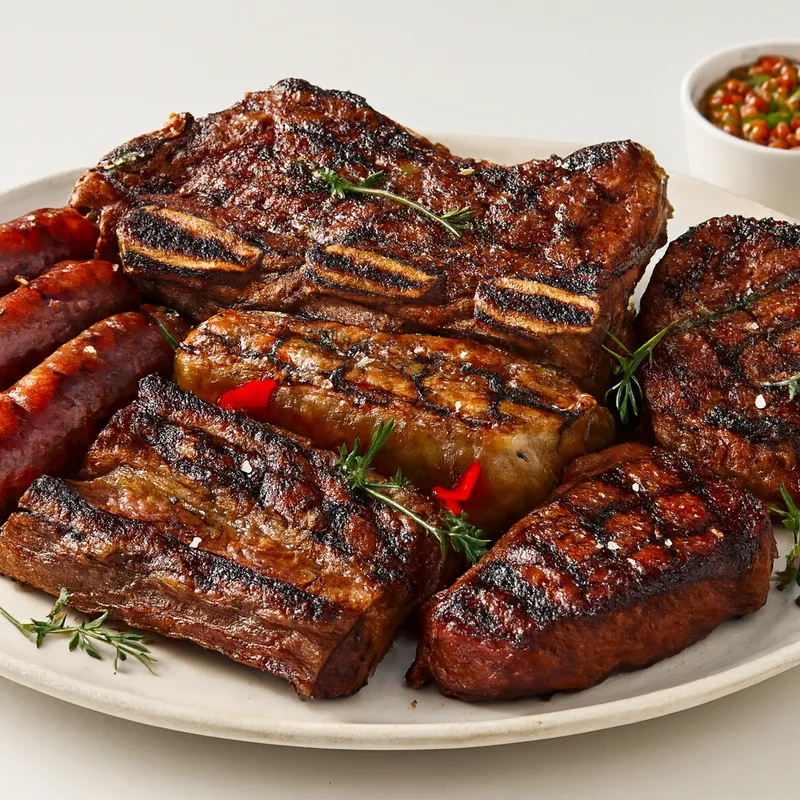
Traditional Argentine barbecue, often featuring various cuts of beef.


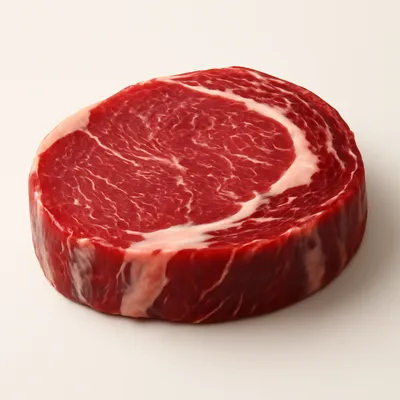

Rooted in 18th-century gaucho culture on the Pampas — cattle were nearly free, the gauchos butchered on horseback and grilled whole sections over open fires. The home parrilla codified in the late 19th century when European immigrants moved off the land into Buenos Aires suburbs but kept the ritual. The asado is now the central social meal of Argentina, scheduled for Sunday afternoons by national habit.
18th-century gaucho field cooking, codified in late-19th-century Buenos Aires suburbs. Cooks over brasas (embers) of quebracho hardwood, never flame; the asador adjusts grill height by fingers, not knobs.
A long parrilla grill set over wood embers (not flame), loaded with cuts in order of cooking time: chorizo and morcilla first, then ribs (asado de tira) cooked low for two hours bone-side down, then loin and skirt (vacío). Salt is the only seasoning. Chimichurri at the table, optional. The eating runs three hours; the host paces it.
Heat management is everything. Argentine asadores cook over embers (brasas), never flame — flame chars the surface before the inside warms. Wood is hardwood (quebracho is the prized one) burned down in a separate firebox and shoveled under the meat as needed. The asador adjusts grill height by fingers, not knobs. Gas grills miss the entire point: no smoke, no slow ember radiance, no asado.
Variations
Asado a la parrilla (over the grate, urban standard); asado al asador (vertical iron cross, the field method); Patagonian cordero al palo splays whole lamb on a stake; tira de asado, vacío, entraña, mollejas — the cuts run in their own loading order.
On the Palate
Where Asado sits in the Argentinian flavor cloud
Ingredients

How it's made
4 steps · 2 hours 10 min
- 115 min
Prepare your grill with a mix of wood and charcoal, allowing it to burn down to glowing embers. The heat should be moderate, with a hand held above the grill for 5 seconds before it feels too hot.
Watch outThe coals should glow orange with no leaping flame, and a hand held over the grate should last about five seconds before it's too hot.
- 290 min
Season the beef ribs generously with salt. Place them bone-side down on the grill, allowing them to cook slowly over indirect heat, turning occasionally until they are deeply browned and tender.
Watch outStart the ribs bone-side down and let them go slow; you're after a deep, even brown, not a fast sear.
- 320 min
Add chorizos to the grill, turning them occasionally until they are cooked through and have a slightly crispy skin, about 15-20 minutes.
Watch outEnsure the grill is not too hot to prevent the skin from burning before the inside is cooked.
- 45 min
Once the meats are done, let them rest for a few minutes to reabsorb juices. Serve with chimichurri sauce and enjoy the smoky aroma and rich flavors.
Watch outLet the meat sit off the heat until the surface juices stop running before you slice.
Archive tool suggestions — not reviewed
These legacy suggestions have not been evidence-reviewed and are not presented as required tools.
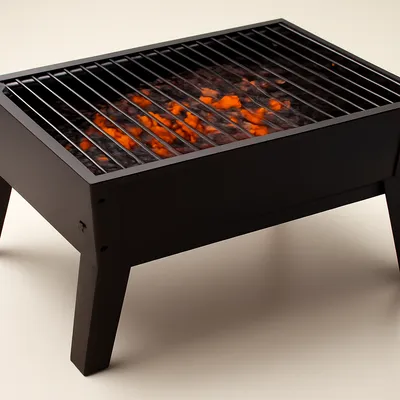
An open or hooded metal frame holding a bed of glowing charcoal embers, with a grate above. Charcoal burns at 700°C+ on the surface and emits short-wave infrared, which cooks proteins faster and with deeper Maillard browning than gas. Hardwood lump charcoal (oak, mesquite, fruitwood) lends its own smoke; cheap briquettes do not. Mastery is mostly heat zoning — direct over coals for searing, indirect off-coals for slow-roasting.

A heavy iron grate set 25-40 cm above a wood-or-charcoal fire, often with handle-cranked height adjustment to dial in the heat. The classic Argentinian asado parrilla cooks tira de asado (cross-cut short ribs), entraña (skirt steak), and chorizo over the embers of quebracho or hardwood — never gas. A real parrilla cooks for 2-3 hours; lifting the grate higher mid-cook is how the asador slows the meat for tougher cuts.