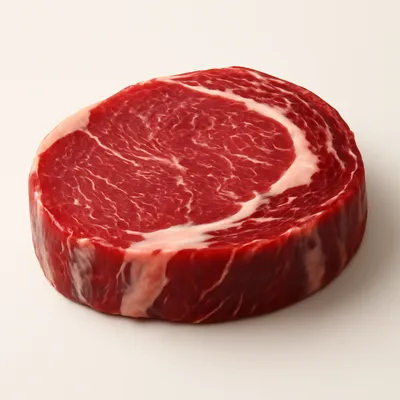


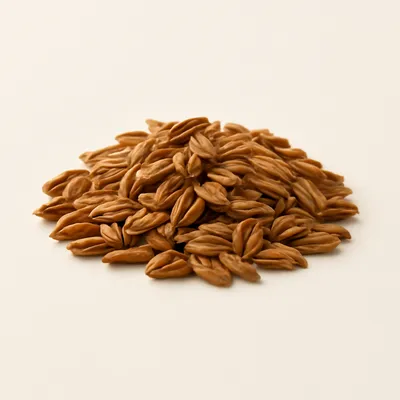
Catamarca, a mountainous province in Argentina's northwest, makes empanadas in the northern tradition: knife-cut beef, juicy, spiced with cumin and paprika. What distinguishes the Catamarqueña from its Salta and Tucuman cousins is the occasional use of beef blood in the filling, a practice inherited from the Creole tradition of chanfaina (offal-and-blood stew). The blood enriches the cooking liquid, giving the filling a darker colour and a deeper, iron-rich flavour. The dough is standard wheat-flour-and-fat, the seal is a simple crimp, and the empanadas are baked in clay ovens when available. They are eaten at family gatherings and sold at roadside stands along the mountain roads of the northwest.
Deeply savoury, juicy beef empanadas with a darker, iron-rich filling than other regions, the cumin and paprika warm, the pastry golden and crisp. The blood gives a depth that surprises those who do not expect it.
The technique follows the northern empanada tradition. Beef is hand-diced, seared with onion, cumin, paprika and a small amount of beef blood (optional but traditional in Catamarca), then cooked until juicy. The blood coagulates gently among the meat, enriching the cooking liquid and darkening the filling. The mixture is cooled, eggs and scallion stirred in, then spooned onto dough circles, folded, sealed, glazed with egg, and baked at 220 degrees C. The clay oven gives the best result, but a domestic oven works. The blood is the Catamarca signature, used in small quantity so it enriches without overwhelming.
Variations
Not all Catamarca empanadas use blood. Some add potatoes or olives.
On the Palate
Where Empanadas Catamarqueñas sits in the Argentinian flavor cloud
Ingredients
Serves 12How it's made
5 steps · 45 min
- 17 min
Dice 400g beef into small cubes; sear with 1 chopped onion, 1 tsp cumin, 1 tsp paprika and 2 tbsp beef blood if using; add 150ml water and simmer 15 minutes.
Watch outSear the diced beef with the spices and just a little blood until juicy — the small amount of blood coagulates among the meat and enriches the filling without turning it into stew.
- 25 min
Cool; stir in 2 chopped boiled eggs and scallion.
- 37 min
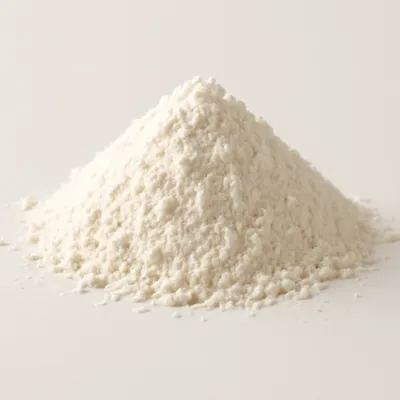
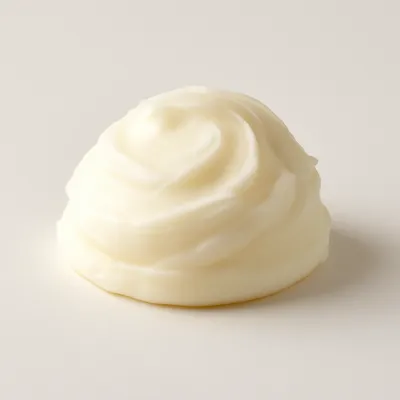
Make dough from 500g flour, 80g lard, 1 tsp salt and 200ml water; rest, roll, cut 12cm rounds.
- 47 min
Fill, fold, crimp; brush with egg and bake at 220 degrees C for 15 minutes until golden.
Watch outCrimp the edges tight and glaze with egg before baking at 220°C — a loose seal weeps the juicy filling out and the empanada dries; the egg wash gives the deep golden shell.
- 54 min
Rest 5 minutes; serve warm.
Archive tool suggestions — not reviewed
These legacy suggestions have not been evidence-reviewed and are not presented as required tools.
