





Ojakhuri takes its name from ojakhi, the Georgian word for family, and is exactly that: the unfussy weeknight skillet supper cooked for the household from whatever meat and potatoes are on hand. Once made in a clay ketsi pan over coals, it remains the most common home-cooked main across the country.
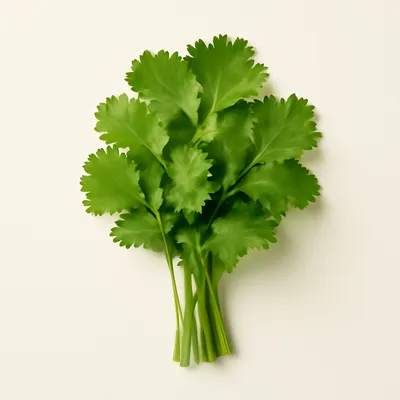
Crisp-edged potatoes soak up the pork's rendered fat, while the onions go sweet and jammy at the edges. Each forkful is savory, a little smoky from the seared meat, lifted by a final burst of fresh coriander. Homey, hearty, deeply satisfying.
Dry pan-roasting in the meat's own fat drives the Maillard reaction on both pork and potato surfaces, building deep savory crust, while the onions' sugars caramelize to balance the richness.
Variations
Chicken or veal instead of pork; mushrooms added; some versions use a clay ketsi dish; eggplant in summer.
On the Palate
Where Ojakhuri sits in the Georgian flavor cloud
Ingredients
Serves 4
How it's made
8 steps · 20 min
- 15 min
Cut pork into bite-size pieces and season with salt and pepper.
- 28 min
Heat oil in a wide heavy skillet and sear the pork until browned on all sides.
Watch outGive the pork a proper brown crust on every side before anything else joins — dry heat and its own fat build that deep savory sear.
- 310 min
Add thick potato wedges and continue cooking, turning, until the potatoes crisp and color.
Watch outLet the potato wedges sit against the hot pan long enough to crisp and color before turning — crowding or stirring too soon leaves them pale and soft.
- 46 min
Add sliced onions and cook until softened and golden.
- 52 min
Stir in crushed garlic and a pinch of dried savory or coriander.
- 65 min
Cook everything together so the flavors meld and the edges caramelize.
Watch outCook it all together until the edges caramelize and the onion sweetens — that browned, sticky edge is the soul of ojakhuri.
- 72 min
Finish with chopped fresh coriander and parsley off the heat.
- 82 min
Serve straight from the pan, hot, with pickles or tkemali sauce.


