


Central Asian in origin — the Uzbek osh palov is the accepted direct ancestor, and the tradition runs back at least to the 10th century. The dish entered Russian mainstream cooking through 19th-century imperial expansion into Central Asia and became a fixture across Soviet cuisine. Every Central Asian country has its own version today; the Russian rendition is one branch.
Central Asian — Uzbek osh palov is the accepted ancestor, traceable to at least the 10th century. Came into Russian cooking through 19th-century imperial expansion. Layering, not stirring: zirvak (mutton fat, onion, meat, carrot) goes down, raw rice on top, water steams up through. Carrots must be julienned, not diced — they need bite under the rice.
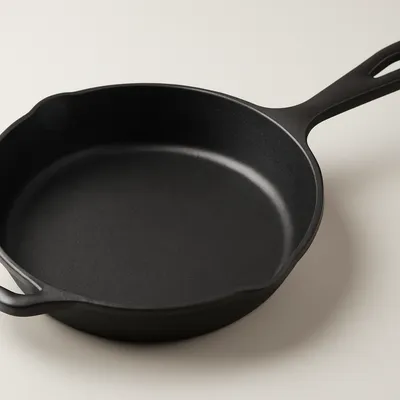
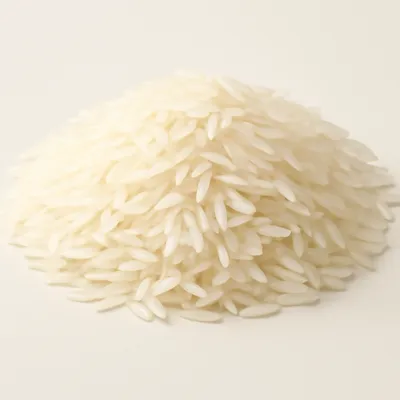
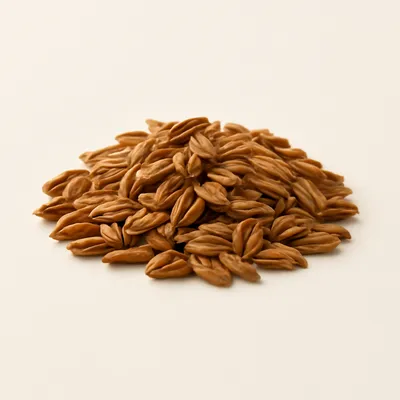
Long-grain rice the color of weak tea, each grain separate and slick with mutton fat. Lamb or mutton chunks, julienned yellow and orange carrots, whole garlic heads buried in the rice, cumin and barberries throughout. Eaten from a shared platter; the bottom layer where rice met the cast-iron is darkest and most prized.
Layering, not stirring. Mutton fat renders first, then onion, then meat, then carrots — that becomes zirvak, the flavor base. Rice goes on top and water steams up through it; nothing is mixed until serving. Stirring early makes pilaf into risotto. The carrots must go in raw and julienned, not diced — they should keep some bite under the rice.
Variations
Uzbek Fergana plov (devzira rice, lamb, julienned carrot — the canonical); Bukharian (sweet, with raisins and quince); Samarkand (rice not stirred down into the meat); Russian Soviet version uses long-grain or even short-grain when nothing else available.
On the Palate
Where Plov sits in the Russian flavor cloud
Ingredients



How it's made
5 steps · 2 hours
- 117 min
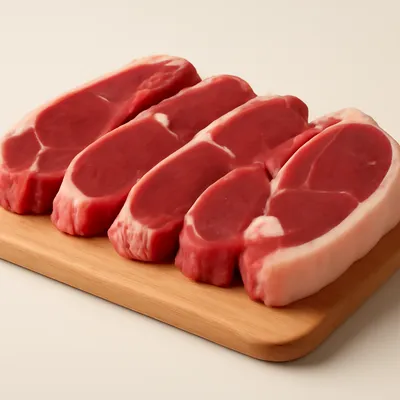
Heat sunflower oil in a large pot and brown the lamb pieces.
Watch outRender the fat and brown the meat hard until deeply colored — this seared base is where the pilaf's savory depth comes from.
- 217 min
Add chopped onions and carrots, cooking until they soften.
- 310 min
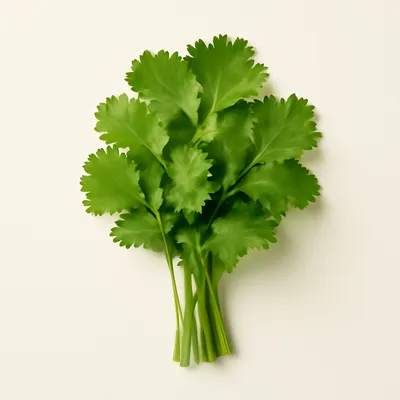
Stir in cumin, coriander, and garlic for aroma.
- 427 min
Add rice and water, bringing to a boil before covering.
Watch outPour the water gently over the back of a spoon so you don't disturb the rice layer, then add just enough to sit about a finger's width above the grains.
- 550 min
Simmer until the rice is tender and has absorbed all the liquid.
Watch outIt's done when the rice has drunk up all the liquid, each grain is tender and separate, and you can hear a faint sizzle as the bottom starts to crisp.
Archive tool suggestions — not reviewed
These legacy suggestions have not been evidence-reviewed and are not presented as required tools.