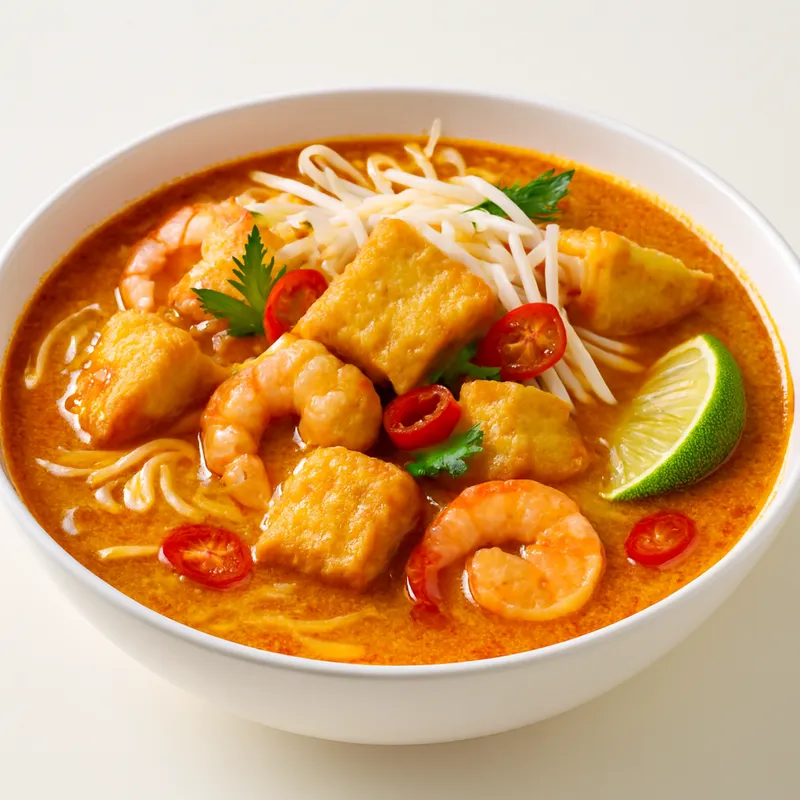
Singaporean coconut-egg jam toast — toasted bread spread with butter and kaya (a coconut-milk-and-egg jam scented with pandan), served with two soft-boiled eggs in soy and pepper for dipping, and a cup of strong kopi (Singaporean condensed-milk coffee). The Hainanese breakfast institution found at every kopitiam (coffee shop) in Singapore.
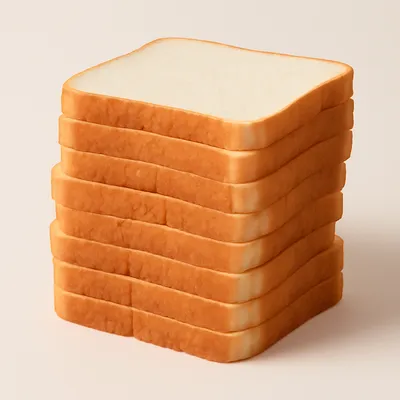



Kaya Toast became Singapore's national breakfast through Hainanese immigrant cooks who worked as British colonial-era house cooks. Learning Western jam-and-toast techniques, they substituted local pandan and coconut for European fruits + sugar, creating 'kaya' (coconut egg jam). The kopitiam culture — Hainanese coffeeshops serving kaya toast, kopi (condensed-milk coffee), and soft-boiled eggs — established the canonical breakfast format in the 1920s-30s. 'Ya Kun Kaya Toast' (founded 1944) and 'Killiney Kopitiam' (1919) are the most famous chains. The dish requires three specific elements: (1) crisp white toast (sometimes wholemeal), (2) sufficient quantity of butter (which slightly melts into the bread), (3) hand-made kaya with proper pandan + coconut + egg yolk + sugar ratio.
Kaya Toast is the Singaporean breakfast in one bite. The first bite: crispy toasted bread that crunches, releasing the cold butter (which immediately starts melting in the mouth), followed by smooth-sweet pandan-coconut kaya. The flavor combination is incredibly Asian — pandan's grassy-floral note, coconut's tropical sweetness, eggy custard texture — but the format is recognizably European-tea-toast. Dip a corner into the soy-pepper-soft-egg combination: the runny yolk coats the toast, the dark soy adds umami, the pepper adds top notes. A sip of hot kopi (strong coffee + condensed milk) completes the loop: bitter coffee against sweet jam. Two slices of kaya toast + 2 eggs + 1 kopi is the standard Singaporean breakfast.
Three technical elements: (1) Kaya-making is a delicate egg-coconut custard — sugar dissolved + egg-coconut warmed gently. Pandan provides aromatic compounds (2-acetyl-pyrroline, the same compound as basmati rice and white bread). The 25-30 min slow cook ensures smoothness without curdling — direct heat would scramble the eggs. (2) Bread thickness (12mm) and toasting (deep golden) creates the right textural contrast: outside crispy, inside slightly soft. (3) Soft-boiled eggs at exactly 6 minutes produce runny yolks + just-set whites. The temperature contrast (hot toast + cold butter + cool kaya + warm eggs) is intentional, providing layered sensory experience.
Variations
Ya Kun canonical (since 1944, mass-market standard); Killiney Kopitiam version uses more egg in kaya for richness; Hokkien-style 'Nyonya kaya' is greener (more pandan) and slightly more savory; Hainanese 'beng kah kaya' uses brown sugar (gula melaka) for caramel notes; modern variations include kaya butter (mixed in butter form) and kaya ice cream; vegetarian-friendly throughout; the kaya keeps refrigerated 2 weeks; pre-made kaya is sold in Singapore supermarkets and at NTUC FairPrice.
On the Palate
Where Kaya Toast sits in the Singaporean flavor cloud
The kaya is a coconut-egg custard cooked over a double boiler with constant whisking — keep it below a boil for the full 25-30 minutes or the eggs scramble and you lose the silky jam.
Ingredients
Serves 4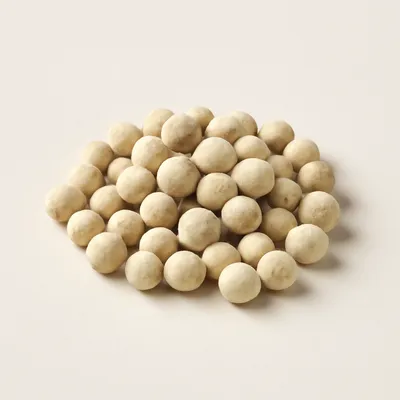
How it's made
9 steps · 40 min active + 10 min waiting
- 110 min
Make the kaya (this is the heart of the dish — make at least 4 hours ahead, ideally overnight). In a heat-proof bowl that will fit in a saucepan whisk 4 large egg yolks + 1 whole egg + 100g sugar (caster preferred) + 200ml thick coconut milk + 2 pandan leaves (knotted, crushed slightly).
- 228 min
Place the bowl over a saucepan of simmering water (double-boiler setup). Whisk constantly 25-30 min until the kaya thickens to a coating consistency. The color should be pale yellow-green from the pandan. Do NOT boil — eggs will curdle.
Watch outWhisk until the kaya coats the back of a spoon and shows a pale yellow-green from the pandan — that's the set point, and it must never boil.
- 38 min
Remove from heat. Discard pandan leaves. Strain through a fine sieve for a smooth jam. Cool to room temperature; refrigerate.
- 45 min
For the kaya toast itself: take 4 slices of crustless white bread (Pullman / sandwich bread, ~12mm thick). Toast in a toaster or on a griddle until deep golden-brown and crispy on the surface.
Watch outToast the bread until deep golden and crisp on the surface — you want a firm crunch to hold the butter and kaya.
- 54 min
Spread each slice with: a generous knob of cold unsalted butter (~1.5 tbsp per slice) on one side, and 2 tbsp kaya on the other side. The butter shouldn't fully melt — chilled butter pieces are ideal.
- 62 min
Stack the two slices together (kaya facing butter). Cut diagonally into 2 triangles or 4 fingers.
- 77 min
Make the soft-boiled eggs: bring a pot of water to a vigorous boil. Reduce heat to low; add 4 cold eggs. Cover; cook EXACTLY 6 min (for runny yolk + barely-set white — Singaporean style). Immediately transfer to ice water 30 sec.
Watch outSix minutes flat gives a runny yolk with a just-barely-set white; pull them the second the timer goes.
- 81 min
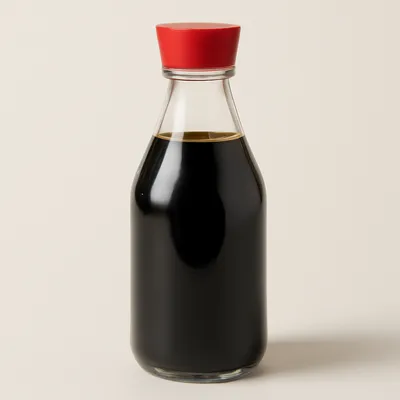
Crack each egg into a small bowl. Add 1 tsp dark soy sauce + a few twists of white pepper. The egg should be very runny.
- 92 min
Serve immediately: 1 kaya toast (cut into 2 triangles) + 1 bowl of soft eggs + 1 cup hot kopi (Singaporean coffee with condensed milk). The Singaporean way: dip the toast triangles into the egg + soy mixture. Eat while toast is still crispy.
Archive tool suggestions — not reviewed
These legacy suggestions have not been evidence-reviewed and are not presented as required tools.

Hand-held wire loop tool for beating eggs, whipping cream, emulsifying dressings, and incorporating air into batters. Balloon whisks (large round head) for whipping cream and meringues; French whisks (narrow tear-drop) for sauces in pots; flat whisks (gravy) for pan sauces. Stainless steel is universal; silicone-coated for non-stick pans.

Round metal pot, 14-26 cm diameter, with vertical walls and a long handle, designed for sauces, soups, oatmeal, rice, boiled vegetables. The vertical walls minimize evaporation (vs. a sauté pan). Sizes: 1 qt for melting butter, 2-3 qt for sauces, 4 qt for soups. Stainless-steel-clad aluminum or copper is best for conduction; cast-iron is too thick for delicate sauces.