Lao braised pork in palm-sugar caramel and fish sauce — closer to Vietnamese thịt kho than Thai braised pork.



A Lao home-kitchen classic eaten across the country — the name literally pairs "boil" with "salty," though the braise lands salt-sweet. Because meat was a rarity in village life, this rich pot was long reserved for celebrations (weddings, New Year); it also features in the Luang Prabang royal-court recipe tradition. It belongs to a wider East- and Southeast-Asian family of sweet soy-braised pork with hard-boiled eggs — Chinese dong po, Taiwanese lu rou fan, Vietnamese thit kho braised in coconut water — of which tom khem is the Lao cousin, not a derivative.
Tamarind Tree Restaurant in Vientiane (Sokpaluang Road, opened 2012) is the modern reference for tom khem; chef Souvanthong specifies palm sugar from Champasak (jaggery-style block) over Vientiane palm sugar (softer, lighter) because the block sugar caramelises more evenly.
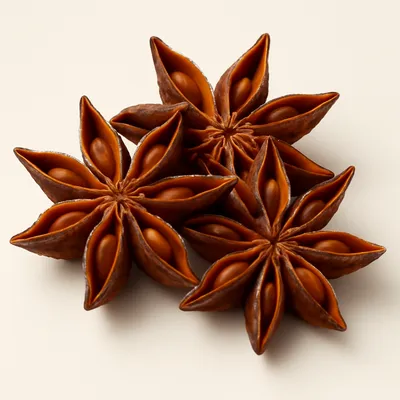
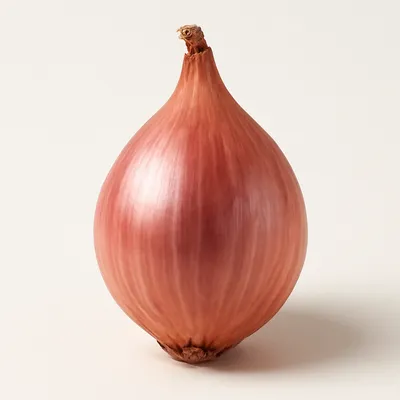
Dark mahogany pork chunks (belly or shoulder), glossy with reduced caramel, fork-tender. Salt-sweet front (fish sauce + palm sugar), star-anise warmth, garlic-shallot depth at the back. Hard-boiled egg often braised in same pot, yolk taking up the dark colour. Served over plain jasmine rice, not sticky.
Caramel goes first — palm sugar melted dry to deep mahogany (about 175°C) before any liquid hits the pan; pour fish sauce in too early and it crystallises into rock candy. That caramel-sugar reduction is what gives Lao tom khem its dark colour and a sweetness that stays the right side of cloying, and a deeper, less coconut-tinged tone than the Vietnamese thit kho it sits alongside.
Variations
Plain pork-belly tom khem is the most common, especially around Vientiane; the pork-with-egg version is the everyday family meal; a Luang Prabang style braises duck instead. Hmong households sometimes use buffalo and skip star anise, leaning on white pepper instead.
On the Palate
Where Tom Khem sits in the Lao flavor cloud
Ingredients
Serves 6
How it's made
4 steps · 13 min active + 1 hour waiting
- 110 min
Caramelize 80 g palm sugar in 2 tbsp oil; add 500 g cubed pork; brown.
Watch outMelt the palm sugar to a deep mahogany before the pork goes in and before any liquid — pour fish sauce in too early and it seizes into hard candy; too pale and the dish loses its dark color and depth.
- 23 min
Add 2 tbsp fish sauce + 500 ml water + 6 garlic + soft-boiled eggs.
- 350 min
Simmer covered 50 min until pork is tender.
Watch outSimmer covered until the pork cubes are fork-tender and the sauce has darkened — the color should read deep and glossy, sweet but not cloying.
- 410 min
Reduce uncovered 10 min; serve with rice.
Watch outReduce uncovered just until the sauce coats a spoon and clings to the pork — go too far and the caramel tips from rich to burnt-bitter.
Archive tool suggestions — not reviewed
These legacy suggestions have not been evidence-reviewed and are not presented as required tools.