Som moo — fermented pork-and-rice sausage, soured 3–5 days at room temperature. Cousin to Thai naem.

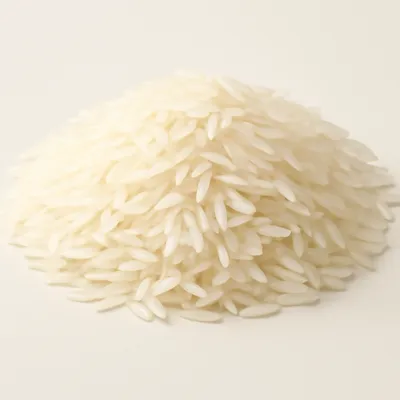


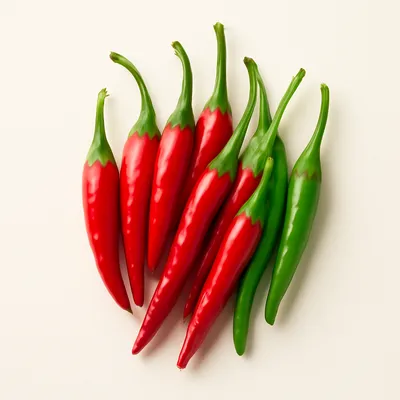
Mainland-Tai sour-pork tradition, shared with Thai naem and Vietnamese nem chua; the Lao branch goes heavier on garlic and lighter on chili, and the casing is often banana leaf instead of plastic film. The village method long predates writing — it first reached print in 1981, in Traditional Recipes of Laos, compiled from the notebooks of Phia Sing, royal chef at the Luang Prabang palace.
Vientiane's Talat Sao (morning market) sells som moo wrapped in banana leaf, twisted at both ends; cut the leaf, smell first — proper som moo smells faintly sour and clean, ammonia means it's gone over. Sengtawan stall has run since 1968.
Pink-grey log, soft and slick, chewy not crisp. Sour first (lactic ferment), salty, raw-garlic burn at the back, faint pork sweetness. Eaten raw-fermented (no cooking) sliced with ginger, peanut, fresh chili, lime — a Lao beer companion. Or grilled lightly until edges char.
Lactobacillus from the cooked-rice starch and the pork's surface fauna acidify the meat from pH 6 to pH 4.5 in three days at 28°C; the drop in pH kills Salmonella but preserves Listeria — which is why Lao households eat fresh, not aged beyond a week. Salt at 2.5% by weight is the minimum.
Variations
Som moo (pork-rice, the canonical); som pa (river fish, Mekong specialty); som kai (chicken, modern Vientiane riff); Sayaboury households add chopped pork ear for crunch; Champasak versions go pinker from extra rice and longer ferment.
On the Palate
Where Lao Sausage sits in the Lao flavor cloud
Ingredients
Serves 6How it's made
4 steps · 18 min active + 3 days 15 min waiting
- 18 min
Mix 500 g ground pork + 200 g cooked rice + 4 garlic + chili + 1 tsp salt + 1 tsp sugar.
- 215 min
Form into 80 g sausages; wrap tightly in banana leaves; tie ends.
Watch outPack the filling tight in the leaf with no air pockets — trapped air is where the fermentation goes off instead of turning cleanly sour.
- 34320 min
Ferment at warm room temperature 3–5 days until tangy.
Watch outIt's ready when it smells brightly tangy and appetizing — that clean sour means the acid dropped right; a rank, rotten smell means toss it.
- 410 min
Grill over charcoal until charred; slice and serve.
Watch outGrill over charcoal until the skin blisters and chars in spots — the smoky crust plays against the tang inside.
Archive tool suggestions — not reviewed
These legacy suggestions have not been evidence-reviewed and are not presented as required tools.