Rice-tapioca noodles in clear chicken-pork broth with crispy garlic, fried shallot, lime. Lao breakfast or anytime soup.



Vientiane street kitchens; the noodle (sen) is hand-cut from a rice-flour-and-tapioca-starch dough, giving the chewier-than-pho texture that defines it. It belongs to the same Southeast Asian rice-tapioca noodle family as Vietnamese bánh canh — both thick and chewy, with bánh canh often described as a variation of khao piak — though which came first is unsettled.
Vientiane's Nazim's Restaurant near Nampu fountain has sold khao piak sen since 1995; the noodle is rolled and cut on a wooden board in the front window between 4am and 7am. After 10am they switch to dry noodles — fresh sen don't keep.
Thick chewy noodles, faintly translucent, bedded in a clear amber broth slick with chicken fat. Crispy fried garlic and shallot scattered on top, blood-coagulate cubes (optional), shredded chicken. Squeeze of lime at the table; the broth turns slightly cloudy.
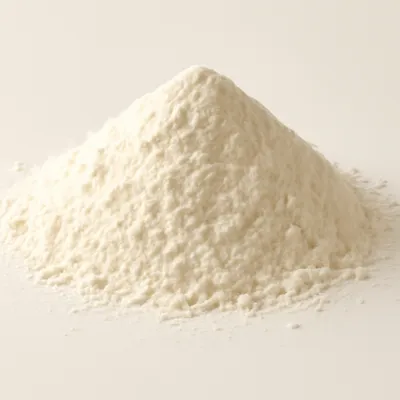
Noodle dough is roughly 2 parts rice flour to 1 part tapioca; the tapioca delivers the bouncy chew that pure rice flour can't. The cut sen are traditionally boiled directly in the broth, and the starch they release thickens it to a faintly creamy, spoon-coating body — that gentle cloudiness is the dish's signature, not a flaw.
Variations
Khao piak sen gai (chicken, breakfast canonical); khao piak sen mu (pork, Pakse southern style); khao piak khao (rice-grain porridge variant, convalescent food); a duck version exists in Luang Prabang but is hard to find outside Hmong New Year.
On the Palate
Where Khao Piak Sen sits in the Lao flavor cloud
Ingredients
Serves 4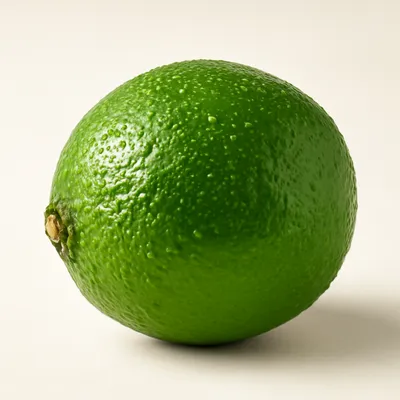


How it's made
4 steps · 13 min active + 1 hour 30 min waiting
- 190 min
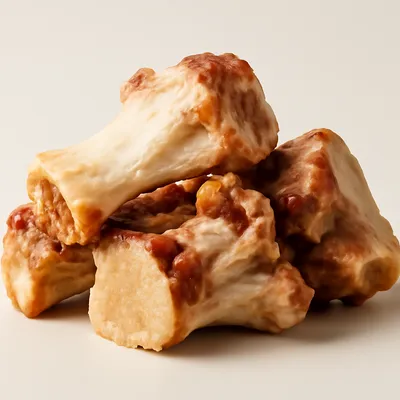
Simmer chicken-and-pork bones with crushed garlic in 2 L water 1.5 hr.
Watch outSimmer the bones gently, not at a rolling boil, so the stock stays clean-tasting and clear.
- 25 min
Strain broth; return to pot.
- 34 min
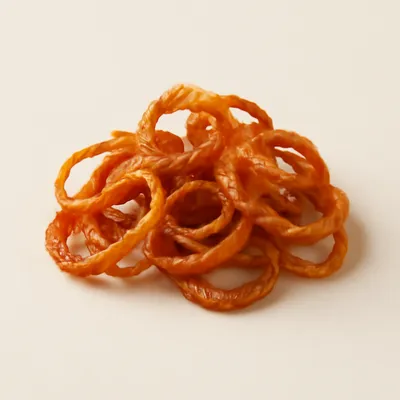
Add 400 g rice-tapioca noodles; cook 4 min.
Watch outAs the noodles cook the broth should turn faintly cloudy and coat the spoon — that's the starch doing its job.
- 44 min
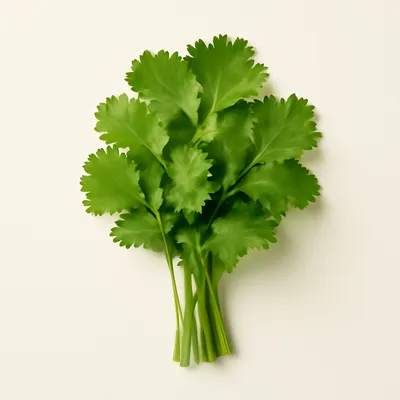
Top with crispy garlic, fried shallot, scallion, white pepper, lime wedge.
Archive tool suggestions — not reviewed
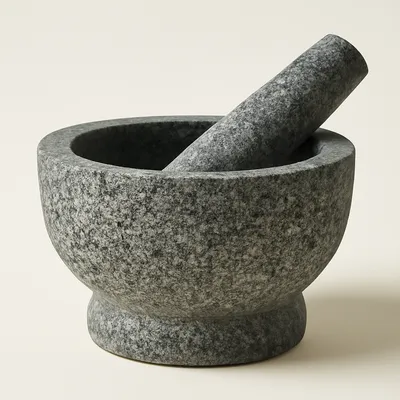
These legacy suggestions have not been evidence-reviewed and are not presented as required tools.