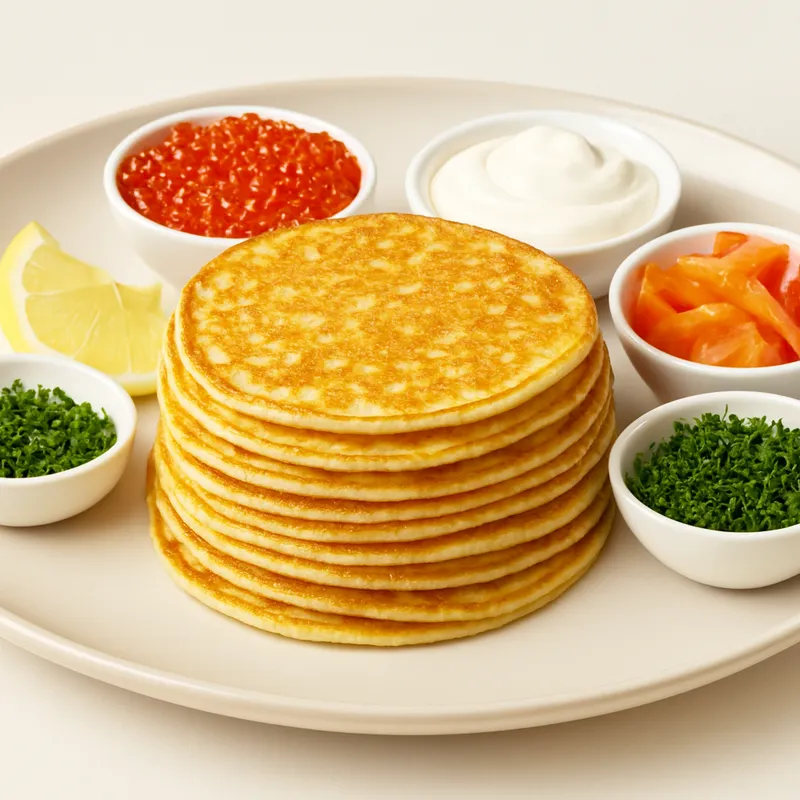




Pre-Christian Slavic ritual food: the round golden shape represented the sun, eaten during Maslenitsa, the week-long sun-welcoming festival before Lent. The pagan custom survived Christianization and is still observed across Russia in February or March every year. Buckwheat flour was the historical base in northern Russia; wheat blini became standard only in the 19th century with cheaper milled flour.
Pre-Christian Slavic sun-ritual food eaten during Maslenitsa, the week-long sun-welcoming festival before Lent. Yeast—not baking powder—is what defines them; the 1.5–2 hour rise gives lactic-acid tang and the lacy holes. Baking-powder versions are technically blinchiki, a different pancake.
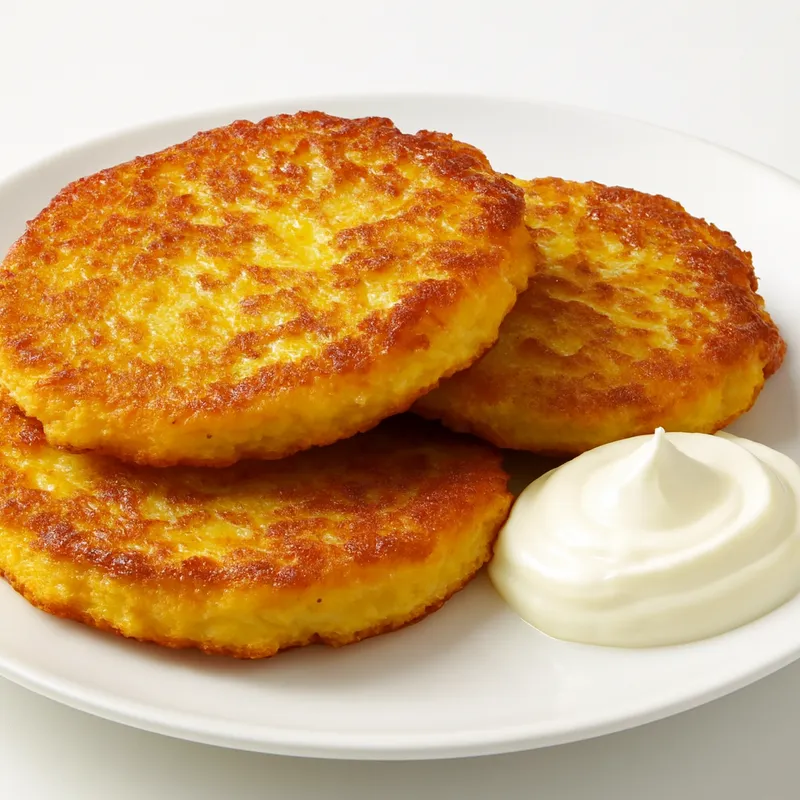
Yeast-raised pancakes, a hand-span across, lacy and slightly chewy from the fermentation. Served warm, brushed with melted butter, topped with smetana and one of: salt-cured salmon, herring, caviar (red salmon roe for everyday, black sturgeon for Maslenitsa feasts). Eaten by hand or fork-rolled. Thicker and tangier than French crêpes; thinner than American pancakes — the texture sits in between.
Yeast — not baking powder — is what defines real blini. The 1.5–2 hour rise produces lactic acid that gives the tang and CO₂ that creates the lacy holes. The batter must rest twice: once after mixing, once after deflating with milk. Modern "blini" recipes using baking powder are technically blinchiki (a different, unleavened pancake) — they're flat and bland by comparison.
Variations
Buckwheat blini are the historical northern Russian baseline; wheat blini took over in the 19th century; Maslenitsa caviar version uses black sturgeon roe (Beluga, Osetra); Ukrainian mlyntsi are the closer cousin, often filled rather than topped.
On the Palate
Where Blini sits in the Russian flavor cloud
Yeast, not baking powder, makes real blini: give the batter a 1.5–2 hour rise so it ferments into a tangy, bubbly sponge, then rest it again after loosening with milk — that leavening is what gives the lacy holes and the sour depth.
Ingredients






How it's made
4 steps · 19 min
- 15 min
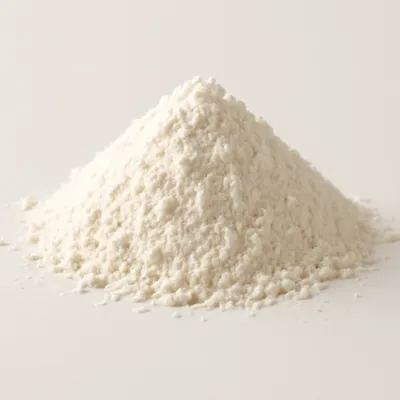
In a large mixing bowl, combine the flour, milk, egg, sugar, and a pinch of salt. Whisk vigorously until the batter is smooth and free of lumps. The consistency should be thin, like heavy cream.
Watch outThe batter should pour like heavy cream and, after its rise, smell faintly sour and look bubbly on top — that's the yeast doing its job.
- 22 min
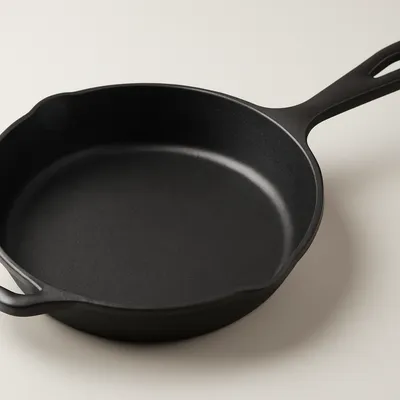
Heat a non-stick skillet over medium heat and add a small knob of butter. Once the butter has melted and starts to sizzle, ladle a small amount of batter into the center of the pan, tilting to spread it evenly into a thin circle.
Watch outButter the pan and heat it until a drop of batter sizzles on contact, then ladle a thin round — a cool pan gives a pale, holeless cake.
- 32 min
Cook the blini for about 1-2 minutes until the edges begin to lift and the bottom is golden brown. Flip gently using a spatula, and cook the other side until golden brown as well.
Watch outFlip when the edges lift and dry and the underside is golden and lacy — usually a minute or two; the surface bubbles tell you it's set.
- 410 min
Transfer the cooked blini to a plate and cover with a clean kitchen towel to keep warm. Repeat with the remaining batter, adding more butter to the pan as needed.
Archive tool suggestions — not reviewed
These legacy suggestions have not been evidence-reviewed and are not presented as required tools.