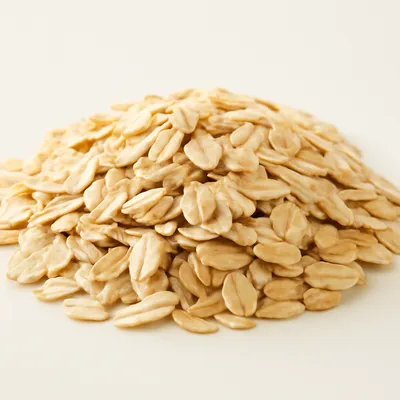

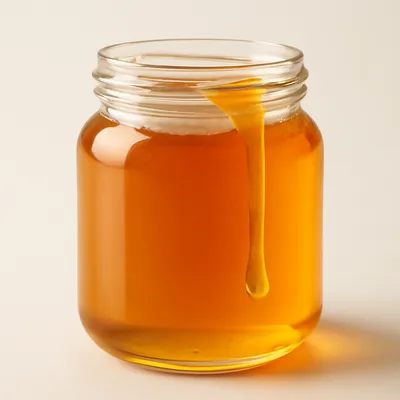

Atholl brose is a traditional Scottish drink-and-dessert whose name and legend tie it to the Earl of Atholl's suppression of the rebel Lord of the Isles, Iain MacDonnell, in 1475. According to the tale, the Earl's men located MacDonnell's hidden well and poured into it a mixture of whisky, honey and oatmeal, so that when the Lord drank his fill he was overcome by the brose and captured, though the story is more romance than record. The name 'brose' comes from the older Scots dish of oatmeal steeped in water, and Atholl brose is essentially that brose enriched with honey and whisky and cream, the four ingredients layered or whipped together and chilled. The dish became a festive and convivial specialty, served at Hogmanay, the Scottish New Year, after Highland gatherings and ceilidhs, and at gentlemen's dinners. Early recipes were simply whisky, honey and soaked oatmeal, the cream a later refinement, and the balance of the four is the whole skill.
A cold, layered glass of pale cream over a deeper whisky-honey layer with the faint grit of toasted oatmeal, sweet and warmly alcoholic, the oatmeal giving body and a toasty note. Spooned from the glass, sipped slowly.
Atholl brose is built by preparing two distinct components and layering them. The oatmeal is first toasted dry in a pan until nutty and golden, then soaked for several hours, or overnight, in the whisky, which extracts its starch and flavour and softens the grain into a paste. Honey, traditionally heather honey for its bitter-sweet depth, is stirred into the whisky-oatmeal mixture until dissolved. Separately, double cream is whipped softly, just to the ribbon stage, so it still pours. The two are layered in glasses, the whisky-oatmeal at the base and the cream on top, or folded together for a uniform mousse-like texture, then chilled for several hours so the flavours marry and the oatmeal fully softens. The long soak is essential, unsoaked oatmeal is gritty and harsh, while overnight-soaked it becomes a smooth, thick, perfumed base. The cream softens the alcohol and rounds the whisky's heat.
Variations
Heather honey is the traditional sweetener for its bitter-sweet depth. Some recipes fold the cream in rather than layering. A sprinkle of toasted oatmeal on top adds crunch. Served as a dessert in parfait glasses or drunk from a tumbler.
On the Palate
Where Atholl Brose sits in the British flavor cloud
Ingredients
Serves 6How it's made
6 steps · 30 min
- 14 min
Toast 75g medium oatmeal in a dry pan over moderate heat for 5 minutes until golden and fragrant.
Watch outToast the oatmeal in the dry pan to golden and nutty before soaking — that toasting is where the flavour comes from; raw oatmeal soaked in whisky tastes flat and pasty.
- 25 min
Tip into a bowl, pour over 200ml Scotch whisky, stir in 3 tbsp heather or clear honey, cover and soak for at least 4 hours, ideally overnight.
- 35 min
When ready to serve, lightly whip 300ml double cream with 1 tbsp honey to the soft ribbon stage, it should still pour.
Watch outWhip the cream only to a soft ribbon that still pours — you're layering it, not spooning stiff cream; over-whipped, it sits in a lump instead of flowing over the base.
- 43 min
Stir the whisky-oatmeal mixture to loosen, and add a splash more whisky or a little cream if too thick.
- 54 min
Spoon the whisky-oatmeal layer into 6 glasses, filling halfway, then top each with a layer of the whipped cream.
- 65 min
Chill for at least 1 hour; finish with a pinch of toasted oatmeal on each, and serve cold with a short spoon.
Archive tool suggestions — not reviewed
These legacy suggestions have not been evidence-reviewed and are not presented as required tools.


