Rewena Paraoa is the Māori sourdough bread — leavened with a 'bug' (rewena) made from fermented potato, flour, and sugar, which gives the bread a distinctive sweet-sour tang. It is the most important bread of Māori cooking, used for everyday loaves and as the base for fried bread, born from the marriage of introduced wheat and indigenous fermentation knowledge.
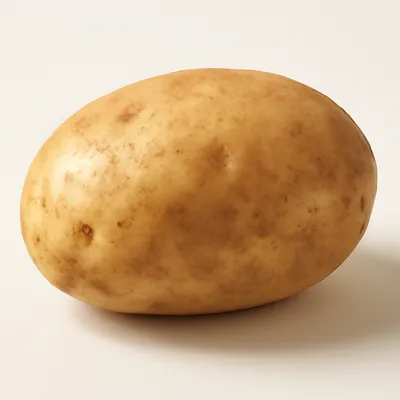


Rewena Paraoa (literally 'bug bread' — rewena is the Māori word for the fermented potato starter, often called 'the bug') is the defining bread of Māori cuisine. When wheat flour was introduced to Māori by European settlers in the 19th century, Māori adapted their knowledge of fermentation (used for preserving crops) to create a sourdough starter from potato. The 'bug' — a fermented potato-and-flour mixture left for several days — became the leavening for a dense, slightly sweet, tangy loaf. Every Māori family has its own bug, passed down through generations; the bug is fed and kept alive indefinitely, like a treasured pet.
A dense, golden-brown loaf with a tight crumb and a thick crust. The flavor is unlike any wheat-flour sourdough — sweeter, with a soft tang from the potato fermentation, and a faint earthiness. Tear it warm, spread with butter, or slice and fry it as parāoa parai (fried bread). It is the bread of every marae, every tangi, every Māori gathering.
The 'bug' (rewena) is made by boiling a potato, mashing it with its cooking water, flour, and sugar, and leaving it in a warm place for 3-7 days until it bubbles actively. The wild yeasts and bacteria from the potato ferment the sugars, creating a sourdough starter with a distinctively sweet-potato character. This starter is then mixed with flour, water, and salt to make the bread dough, which is fermented overnight and baked. The bread keeps well (the acidity preserves it) and improves with a day's rest.
Variations
Some add kūmara (sweet potato) to the starter; the bug is fed with flour and water between bakes; some make rolls instead of a loaf.
On the Palate
Where Rewena Paraoa sits in the New Zealand flavor cloud
Ingredients
Serves 8How it's made
8 steps · 1 hour active + 1 day 23 hours waiting
- 14320 min
Make the bug: boil 1 potato until soft; drain (reserve 200 ml cooking water); mash the potato with the water; cool to lukewarm; stir in 1 cup flour and 1 tbsp sugar; cover loosely; leave in a warm place 3-7 days, stirring daily, until it bubbles.
Watch outThe bug is alive when it smells sour-sweet and bubbles actively when stirred — a flat, still mix hasn't caught yet; give it another warm day.
- 25 min
Make the bread: in a large bowl, combine 500 g flour, 1 tsp salt, and the active bug (all of it).
- 310 min
Add 200 ml warm water; knead 10 minutes to a soft dough.
- 4720 min
Cover; rise in a warm place overnight (8-12 hours), until doubled.
Watch outLet the dough rise overnight until doubled — press a dent and it should spring back slowly; if it barely grew, the bug wasn't lively enough.
- 55 min
Punch down; shape into a round loaf; place on a lined tray; rest 1 hour.
- 65 min
Preheat oven to 200°C.
- 740 min
Bake 40 minutes until the loaf is deep gold and sounds hollow when tapped.
Watch outThe loaf is done when it's deep gold and sounds hollow when you tap the bottom — a dull thud means it needs more time.
- 860 min
Cool on a rack for at least 1 hour before slicing.
Archive tool suggestions — not reviewed
These legacy suggestions have not been evidence-reviewed and are not presented as required tools.


