Arkatena is the Cypriot sourdough bread leavened not with a wheat-flour starter but with fermented chickpea foam (arkatis) — a multi-day, multi-stage fermentation that gives the bread a unique complex aroma. Made in the mountain villages of Omodos and Koilani (Limassol district), it is one of the most distinctive breads of the Mediterranean, documented in an academic paper on Cypriot traditional breads.



Arkatena is a traditional Cypriot sourdough bread, distinct for its leavening: instead of a wheat-flour starter, it uses a foam (arkatis) produced by fermenting chickpea flour in warm water for several days. The bread is associated with two specific villages in the Limassol district — Omodos and Koilani — and is documented in the academic paper 'Traditional Breads from Cyprus: The Arkatena' (ResearchGate, 2023). The Heartland of Legends tourism route lists it as artisanal Cypriot heritage. The multi-day fermentation (3-4 days for the starter, then the bread dough) produces a uniquely complex flavor that commercial yeast cannot replicate. It is one of the most distinctive breads in the Eastern Mediterranean.
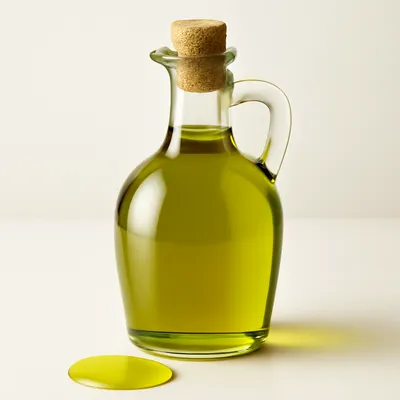
A slice of dense, chewy, golden-brown sourdough, with an open crumb and a complex, slightly tangy aroma unlike any wheat-only bread — there is a nutty, earthy depth from the chickpea fermentation. The crust is thick and crackly. Eaten with olive oil, halloumi, or as the base for a Cypriot meze, it is the most distinctive bread of the island.
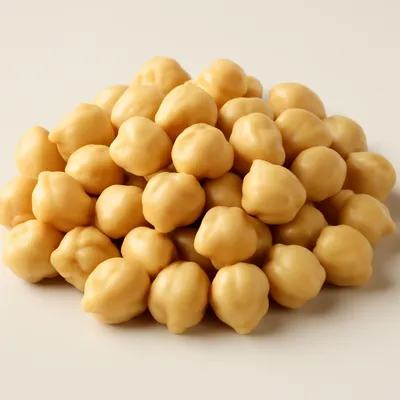
The chickpea starter (arkatis) is the defining technique: chickpea flour is mixed with warm water and left to ferment for 3-4 days, during which wild yeasts and bacteria produce a foam (the arkatis) that becomes the leavening for the bread. This starter is then mixed with wheat flour, water, and salt, and the bread dough is fermented for another 12-24 hours. The result is a sourdough with a flavor profile distinct from wheat-flour sourdough — nuttier, earthier, with a complex tang from the chickpea's own microbiome. The bread is baked hot, with steam, for a thick crust.
Variations
Some add a little olive oil to the dough; some make rusks (paximadia) by re-baking; the village of Omodos claims the most authentic version.
On the Palate
Where Arkatena sits in the Cypriot flavor cloud
Ingredients
Serves 8How it's made
8 steps · 1 hour 30 min active + 1 day 22 hours 30 min waiting
- 14320 min
Make arkatis (chickpea starter): mix 100 g chickpea flour with 200 ml warm water in a jar; cover loosely; leave in a warm place 3-4 days, stirring daily, until it foams actively.
Watch outThe chickpea starter is ready only when it's actively foaming and smells sharply sour — flat or sweet-smelling means the wild yeast hasn't caught yet, give it another day.
- 25 min
Make bread dough: in a large bowl, mix 500 g wheat flour, 1 tsp salt, and 300 ml warm water.
- 315 min
Add the foaming arkatis (all of it) to the dough; knead 15 minutes to a smooth, elastic dough.
- 4720 min
Cover; ferment in a warm place 12-18 hours, until doubled and bubbly.
Watch outLet the dough go until doubled and bubbly — this chickpea leaven works slow, so judge by the rise, not the clock.
- 52 min
Shape into a round loaf; place on a lined tray; rest 2 hours.
- 65 min
Preheat oven to 230°C with a tray of water in the bottom (for steam).
- 740 min
Bake 15 minutes at 230°C; reduce to 200°C; bake 25 more minutes until deep gold and hollow-sounding.
Watch outIt's baked when the crust is deep gold and the loaf sounds hollow tapped underneath — a dull thud means the center's still damp.
- 860 min
Cool on a rack for at least 1 hour before slicing.
Archive tool suggestions — not reviewed
These legacy suggestions have not been evidence-reviewed and are not presented as required tools.

