Lao khao soi — northern-Lao wide rice noodles in clear pork-bone broth, topped with a tomato-and-minced-pork sauce bound with garlic and fermented soybean paste (tao jeow). Looks like bolognese over rice noodles. Optional crispy noodles for crunch; no coconut and not a curry, unrelated to the Chiang Mai dish that shares the name.



Tai Lue and Yunnanese-Hui kitchens in northern Lao; Luang Namtha and Luang Prabang are claimed as the birthplace, and some vendors still hand-slice (often scissor-cut) the noodles. It developed independently of the Chiang Mai curry khao soi, which absorbed Burmese-Indian Muslim spice traditions and runs on coconut and red curry — the two only share a name. The Lao version stays lighter, leaning on tao jeow (fermented soybean paste) and tomato as the load-bearing flavor.
Phia Oun restaurant in Luang Namtha (Route 3, since 2005) is the northern-style reference for Lao curry noodles; the fried crispy noodles are made in-house from rice-and-tapioca dough, fried in pork fat instead of vegetable oil for a denser crunch.
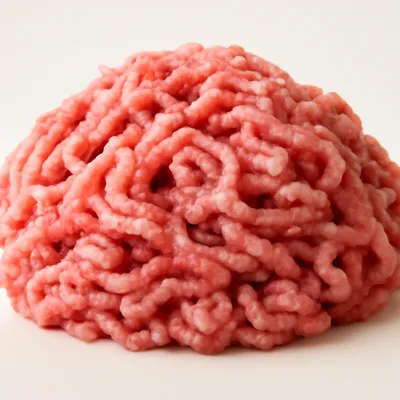
Bowl: wide rice noodles in clear pork-bone broth under a generous spoon of red tomato-and-pork sauce — minced pork, tomato, garlic and dark fermented soybean paste cooked together, the source of both the color and the aroma. Optional handful of fried crispy noodles for crunch. Side plate: mustard greens, lime, fresh chili, bean sprouts. Beanier and meatier, and far lighter, than coconut-led Chiang Mai khao soi.
The tao jeow paste (fermented soybeans, salt, garlic) is cooked separately with ground pork and tomato into a wet, ragu-like sauce — about 8 minutes over medium heat, no longer or the beans go bitter. It sits on the noodles unmixed; the diner stirs it in slowly, controlling how funky and salty each bite goes.
Variations
Luang Namtha style (heavy tao jeow, Yunnan-influenced); Phongsali style (lighter on bean paste, more pork bone); Vientiane modern (smaller portions, served as lunch); Chiang Mai khao soi is the curry-coconut namesake, almost a different dish.
On the Palate
Where Lao Curry Noodles sits in the Lao flavor cloud
Ingredients
Serves 4
How it's made
4 steps · 8 min active + 2 hours 10 min waiting
- 1120 min
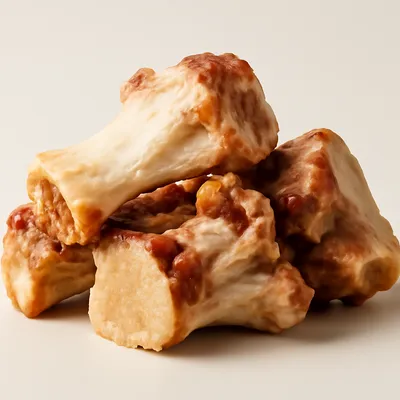
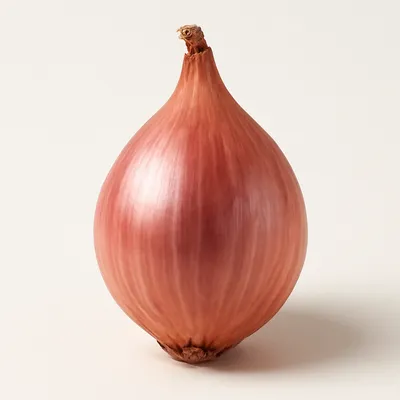
Brown beef bones; simmer in 3 L water with onion, ginger 2 hr; strain.
Watch outSimmer the bones the full two hours until the broth turns rich and full-bodied — a quick stock stays thin and watery under the topping.
- 210 min
Make fermented soybean topping: sauté pork + soybean paste 10 min.
Watch outSauté the pork and fermented soybean paste only about ten minutes — cook it longer and the beans turn bitter and lose that funky edge.
- 36 min
Boil rice noodles 3 min; ladle broth over with topping.
- 42 min
Garnish with crispy noodles and chili oil.
Archive tool suggestions — not reviewed
These legacy suggestions have not been evidence-reviewed and are not presented as required tools.