
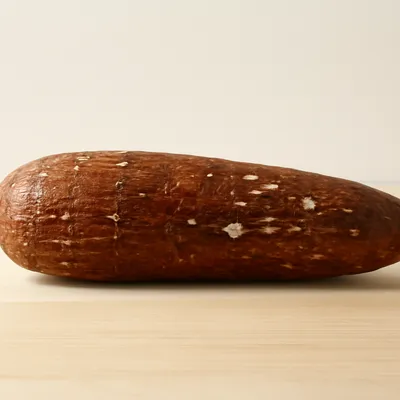

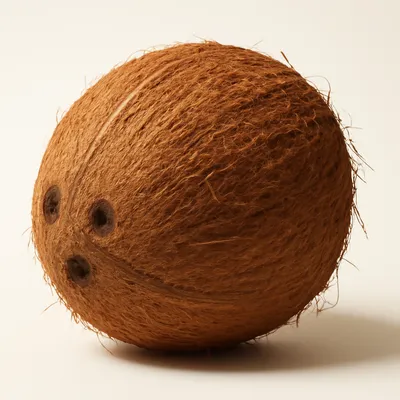
Cassava bread is the ancient flatbread of the Kalinago (Island Carib) people of Dominica, made from grated, pressed, and toasted bitter cassava — a pre-Columbian Indigenous staple.
Break cassava bread and it is firm, dry, and faintly nutty, snapping into a dense flat round that softens as you chew. Bite: clean, mild, and toasty, with the subtle earthy flavor of pure cassava and no leavening — more cracker than loaf. A living link to the Kalinago, eaten plain, with coconut, or dipped in stew. Dominica's Indigenous bread.
Pressing out the cassava's juice removes its natural toxins (cyanogenic compounds) and excess water; the dry, sieved flour fuses on the hot griddle as its starch gelatinizes, binding into a firm cake without any flour, yeast, or fat — an ancient, ingenious preservation bread.
Variations
With grated coconut mixed in (sweet). With raisins and spice (sweet farine). Thinner and crisper. Thicker. As a base for toppings. Made with a touch of pumpkin.
On the Palate
Where Cassava Bread sits in the Dominica flavor cloud
Press the grated cassava truly dry: squeezing out the juice removes its natural toxins and the water, and only the resulting bone-dry flour will fuse on the griddle into a firm cake instead of a wet paste.
Ingredients
Serves 6How it's made
8 steps · 40 min active + 30 min waiting
- 118 min
Peel and finely grate 1 kg cassava.
- 210 min
Wrap the grated cassava in cloth and press hard to squeeze out the (toxic) juice; discard the liquid.
Watch outKeep pressing until only a few drops squeeze out and the pulp feels dry, sandy, and crumbly.
- 38 min
Push the pressed cassava through a sieve to make a light, fluffy flour; add a little salt.
- 44 min
Heat a flat griddle or heavy pan over medium heat.
- 53 min
Spread a layer of cassava flour into a round and press flat.
- 66 min
Toast 5-6 min until the underside sets and the starch fuses into a firm cake.
Watch outThe underside is set when the edges pull in and the whole round lifts as one firm, dry cake.
- 75 min
Flip and toast the other side until dry and lightly golden.
- 83 min
Cool and serve, optionally with coconut or as a base for fillings.


