Cooking concepts
Learn the ideas that connect ingredients, techniques, and dishes.

Microbes make flavor. Why kitchens on every continent learned to invite the right kind of rot — and taught it to taste like home.

Brown is a flavor. The crust on a steak, the lacquer on a duck, the bittersweet edge of a caramel — why heat turns the pale and bland into the deep and delicious.

Oil and water refuse to mix — until you make them. The trick behind mayonnaise, aioli, hollandaise and a good vinaigrette: a bridge molecule, and a lot of whisking.

The savory taste that has no everyday English name. Why the depth in a broth, a ripe tomato, or a shaving of old cheese eluded the tongue's official list for so long — and why every serious kitchen was already chasing it.

Salt is the oldest way to cheat time. Draw the water out of a leg of pork, and rot has nothing left to feed on — which is how a raw thigh becomes prosciutto, and how a fish caught in spring survives to feed a village in winter.

Sour keeps. Long before refrigeration, cooks on every continent found that drowning food in something tart — vinegar poured over, or a brine coaxed to sour on its own — could hold a summer harvest all the way to spring.
Wood smoke is a preservative you can taste. Long before the icebox, people learned that meat and fish hung in the drift of a smouldering fire dried, kept, and — almost as a bonus — turned deep, savory, and mahogany-dark.

Fat and flour, cooked together in a dry pan, become the thing that gives a sauce its body — and, taken darker, a flavor all their own. The quiet backbone under béchamel, gravy, and a pot of gumbo.
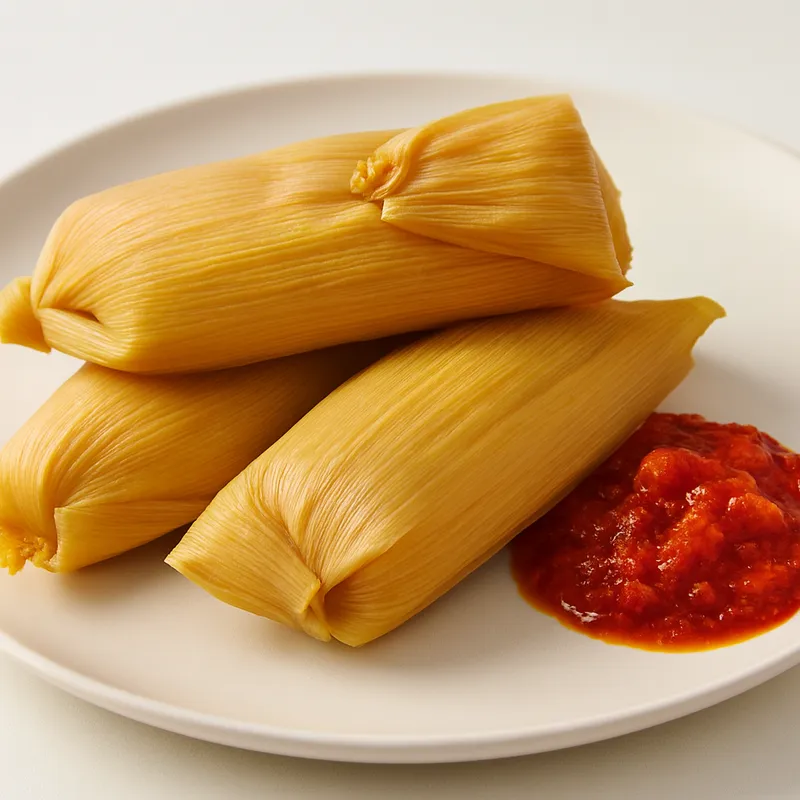
Corn will not become tortilla on its own. It takes an ancient chemical trick — a bath in lime or wood ash — to turn a hard, indigestible kernel into masa, and to unlock the nourishment the grain keeps locked inside.