The Idea
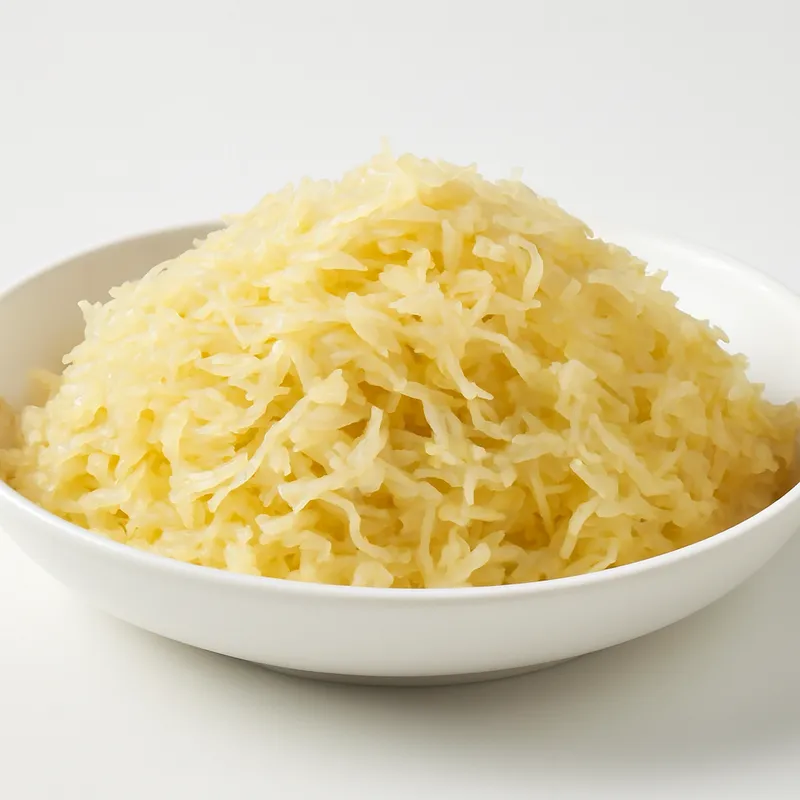
Long before anyone could see a microbe, cooks noticed that food left alone — packed in salt, sunk under its own brine — didn't always spoil. Sometimes it got better. Sour, sharp, savory, alive.
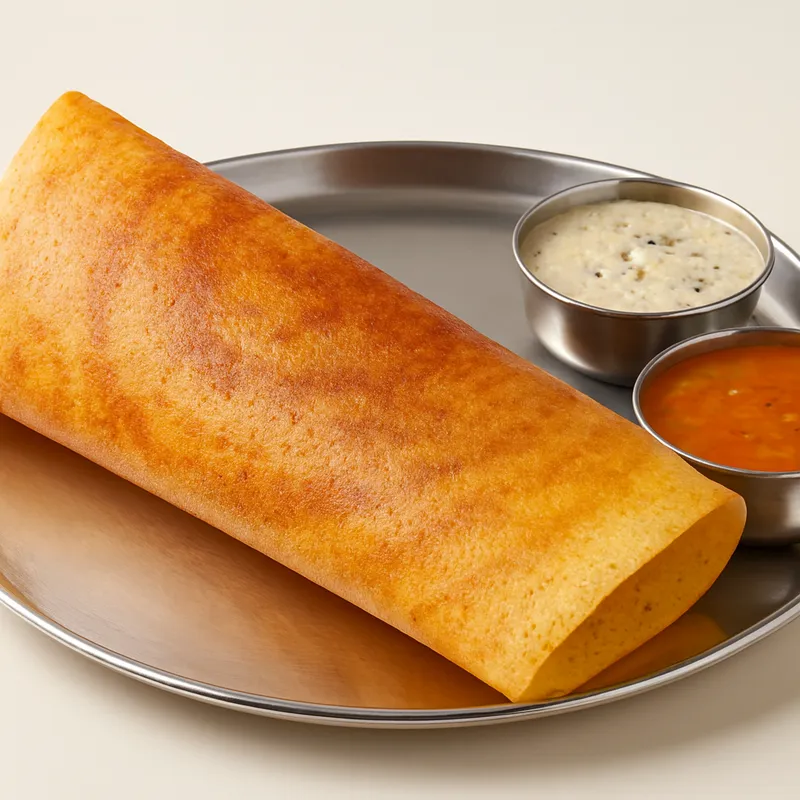
Fermentation is that discovery, made independently almost everywhere people settled: a way to carry the harvest through a lean winter that, half by accident, became one of the great engines of flavor. The same quiet trick turns cabbage into kimchi in Korea, soybeans into miso in Japan, and milk into yogurt from the Caucasus to the steppe.
Every culture that ferments is answering the same question — how do we keep this? — and arriving at a different, delicious accent.
A Short History
representative milestonesResidue in Neolithic pottery reveals the earliest known fermented drink — a brew of rice, honey, and fruit.
The oldest evidence of winemaking yet found: grapes fermented in large buried clay vessels.
Garum, a fermented fish sauce, is made at industrial scale and shipped across the Mediterranean.
Louis Pasteur shows fermentation is the work of living microbes — ending centuries of guesswork about why food changes.
Fermented milk is linked to long life, planting the seed of the modern idea of the "probiotic."
What's Happening
Underneath, it's a controlled hand-off. Bacteria and yeasts eat the sugars in cabbage, grain, soy, or milk and give back acids, alcohol, and carbon dioxide. The acid drops the pH and the food begins to preserve itself as the souring crowds out common spoilers. Meanwhile enzymes take proteins apart into glutamates: the deep savory taste we call umami. Salt sets the terms — choosing which microbes get a seat — and time does the rest.
For Clostridium botulinum, pH 4.6 is a control threshold: below it, the organism cannot grow and produce toxin. That does not kill its spores, remove toxin already present, or make every acidic ferment safe.
Safe fermentation depends on a tested process for the specific food. Follow its ingredient proportions, salt, time, and temperature; a single pH threshold is not a complete safety check.
Claims & sources2/2 reviewed
Claims & sources
This covers the claims listed here—not the whole page.
- FactReviewed fact
For Clostridium botulinum, pH 4.6 is a control threshold: below it, the organism cannot grow and produce toxin. That does not kill its spores, remove toxin already present, or make every acidic ferment safe.
- U.S. Food and Drug Administration · Published 2003 · Accessed 2026-07-19Location: IFT/FDA report pp. 22 and 28–29: 4.6 growth/toxin limits and interactive control factors
- U.S. Food and Drug Administration · Published 2001-01 · Accessed 2026-07-19Location: BAM Chapter 17 pp. 11–12: low-acid foods above pH 4.6
- BotulismSupportsWorld Health Organization · Accessed 2026-07-19Location: Exposure and transmission plus prevention: pH below 4.6, preformed toxin, and viable spores
- FactReviewed fact
Safe fermentation depends on a tested process for the specific food. Follow its ingredient proportions, salt, time, and temperature; a single pH threshold is not a complete safety check.
- National Center for Home Food Preservation · Accessed 2026-07-19Location: General Information: tested ingredient proportions, careful measurement, required salt, and recipe-specific curing times
- U.S. Food and Drug Administration · Published 2003 · Accessed 2026-07-19Location: IFT/FDA report pp. 8–10 and 28–29: formulation, salt, fermentation, time/temperature, and interacting controls
- BotulismContext onlyWorld Health Organization · Accessed 2026-07-19Location: Exposure and transmission: storage temperature, salt, pH, and low oxygen interact
The Four Families
the mental modelAlmost every ferment on earth is the work of one of four kinds of microbe. Learn these four, and you can place nearly any fermented food you meet — you'll spot all of them in the kitchens below.