Pulenda is the staple starch of inland Corsica: a stiff porridge made not from cornmeal but from chestnut flour, cooked with water and salt and stirred constantly until it pulls away from the pot in a dense, sliceable mass. It is turned out, cut with a length of thread rather than a knife, and served alongside figatellu sausage, brocciu, or stewed game. Earthy and faintly sweet, it stands in for bread in the mountain villages where chestnuts long replaced wheat.


For centuries the Corsican interior was a chestnut economy: the Genoese rulers of the island encouraged the planting of sweet-chestnut groves from the 16th century, and the Castagniccia region became so dependent on the tree that it was called the bread tree. Wheat grew poorly in the mountains, so the chestnut, dried and milled into flour, became the daily carbohydrate, and pulenda was its everyday form. The name and method mirror Italian polenta — a reflection of Corsica's long Genoese rule before it passed to France in 1768 — but the chestnut flour, not maize, marks it as Corsican.
Dense and smooth where cornmeal polenta is grainy, pulenda has the deep, toasty sweetness of roasted chestnut and a slightly tacky, fudge-like body when hot. It firms as it cools into a sliceable loaf that can be griddled. On the plate it plays the quiet, starchy counterweight to the fat and salt of grilled figatellu or the wine-dark sauce of a civet, soaking up the juices the way polenta or bread would.
Chestnut flour behaves differently from cornmeal: it is low in gluten but rich in starch and natural sugars, so it thickens fast and scorches easily. The constant stirring serves two purposes — it gelatinizes the starch evenly so no lumps form, and it keeps the sweet flour from catching and burning on the bottom. As the water cooks off, the gelatinized starch network tightens until the mass is stiff enough to leave the sides of the pot, the traditional sign it is ready. Cutting with thread rather than a blade avoids tearing the soft, sticky paste.
Variations
The everyday pairing is with figatellu, the grilled liver sausage, often with a few slices of brocciu melting on top. Some cooks fold brocciu directly into the hot porridge; others let the loaf set and fry slices in oil or pork fat the next day. A sweeter breakfast version drizzles the cooled, fried slices with honey. Cornmeal polenta from the Italian mainland is the close cousin, but the chestnut base is what makes pulenda specifically Corsican.
On the Palate
Where Pulenda sits in the French flavor cloud
Ingredients
Serves 6How it's made
6 steps · 35 min active + 5 min waiting
- 15 min
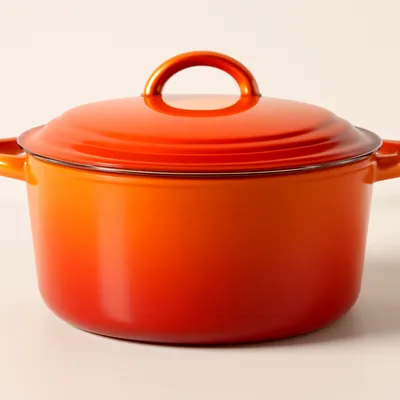
Bring salted water to a boil in a heavy pot.
- 24 min
Sift the chestnut flour gradually into the water, whisking hard to prevent lumps.
- 32 min
Switch to a wooden spoon and stir constantly over medium heat.
- 420 min
Keep stirring as the paste thickens and the water cooks off, scraping the bottom so it does not scorch.
Watch outStir without stopping as it thickens — chestnut flour is sweet and scorches easily, so keep scraping the bottom or it catches and turns bitter.
- 52 min
When the mass is stiff and pulls cleanly from the sides of the pot, it is done.
Watch outIt's done when the mass stiffens and pulls cleanly from the sides of the pot — that clean release is the traditional sign the starch has set.
- 65 min
Turn out onto a cloth, cut into portions with a length of thread, and serve hot with figatellu or brocciu.
Archive tool suggestions — not reviewed
These legacy suggestions have not been evidence-reviewed and are not presented as required tools.