Irish potato cakes — mashed potatoes mixed with flour and butter, shaped into flat rounds and cooked on a griddle. Different from boxty (which uses raw grated potato). Eaten with butter or as a breakfast side.
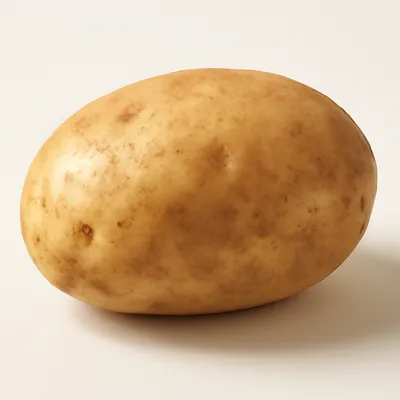




Irish potato cakes (also called potato farls when cut into triangles, or fadge) are the practical use of leftover mashed potatoes. Unlike boxty (which uses raw potato), potato cakes use cooked mash. The technique is simple enough for children to make — flour and potato, shaped and griddled.
A golden, flat round of potato bread, crispy on the outside and soft, fluffy inside. The potato flavor is front and center; the flour gives just enough structure to hold it together. With melting butter, it's pure comfort.
The mashed potato's starches are already gelatinized (from the initial cooking), so they bind the flour without additional gluten development. This gives a softer, more tender texture than wheat-only bread. The griddle cooking (not frying) keeps the exterior crisp without excess oil.
Variations
Some add scallions or herbs; the thickness varies; some deep-fry instead of griddle.
On the Palate
Where Potato Cakes sits in the Irish flavor cloud
Ingredients
Serves 4How it's made
6 steps · 20 min active + 10 min waiting
- 15 min
Mix cold mashed potato with flour, melted butter, and salt.
Watch outUse cold mashed potato and mix in just enough flour to bind — the more flour and handling, the tougher and heavier the cakes.
- 23 min
Knead briefly into a soft dough.
- 33 min
Roll out to 1cm thickness.
- 42 min
Cut into rounds.
- 58 min
Cook on a hot greased griddle 3-4 min per side until golden.
Watch outCook on a hot griddle until each side is spotty golden and the cake feels set — too low a heat and they dry out grey before browning.
- 61 min
Serve warm with butter.

