
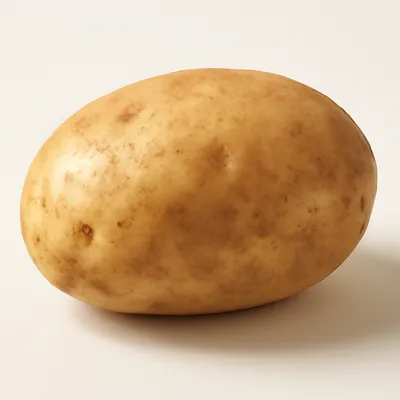





The dish likely took shape in the 18th century, once the potato — introduced to Europe only in the 1500s — had become an Irish staple; the earliest written mention is in the 1735 diary of the Welsh visitor William Bulkeley. The name probably comes from Irish 'cál ceannann' (white-headed cabbage), though an alternative theory derives it from Irish words for cabbage and for onion/leek/garlic. On Halloween (Samhain), traditional colcannon hid charms: a ring for marriage within the year, a coin for wealth, a thimble for spinsterhood. The charm-hiding practice has largely faded but the dish remains the autumn-winter side.
Fork pulls up potato that is both fluffy and slightly elastic from the butter beating, ribbons of kale through every spoonful, sharp scallion pop in the background. The well of melted butter on top is the deliberate trap — each forkful gets dunked. Salt cuts through the richness; black pepper is essential.
Drying the boiled potatoes over low heat for a minute is the key technical step — wet potato makes gluey mash because the water dissolves the starch granules. Beating in warm fat (butter + cream) rather than cold prevents the gel from seizing. Kale rather than cabbage is the traditional Irish choice — its mild bitterness balances the dairy.
Variations
Cabbage version (especially savoy) is the alternative in regions without ready kale. Champ is a closer cousin — same potato base but with scallions and milk only (no leafy green). Boxty pancakes use leftover colcannon. Modern bistro versions add crisp bacon bits.
On the Palate
Where Colcannon sits in the Irish flavor cloud
Dry the boiled potatoes over low heat before mashing and beat in warm butter and cream, never cold — wet spuds or cold fat make the starch seize into a gluey paste instead of a fluffy mash.
Ingredients
Serves 6
How it's made
7 steps · 25 min active + 10 min waiting
- 122 min
Peel 1 kg floury potatoes, cut into 4 cm chunks. Cover with cold salted water, bring to boil, simmer 20 min until fork-tender.
- 24 min
While potatoes cook: shred 300 g kale (or savoy cabbage) into ribbons.
- 36 min
Melt 50 g butter in a wide skillet. Add kale and 4 chopped scallions. Wilt 5 min, stirring.
- 42 min
Drain potatoes thoroughly. Return to dry pot over very low heat for 1 min to evaporate residual water.
Watch outOver low heat the drained potatoes should look dry and floury with steam wisping off — that's your cue they're ready to mash.
- 55 min
Mash potatoes with 50 g more butter and 150 ml warm cream (or milk). Beat until smooth.
Watch outBeaten with warm butter and cream, the mash should turn glossy-smooth and hold soft peaks, not stiffen.
- 62 min
Fold in the wilted kale and scallions. Season heavily with salt and pepper.
- 71 min
Pile onto serving plate. Make a well on top. Drop 30 g butter in the well — serve as it melts.
Watch outServe the moment the well of butter melts and pools golden over the top — that's the classic finish.


