

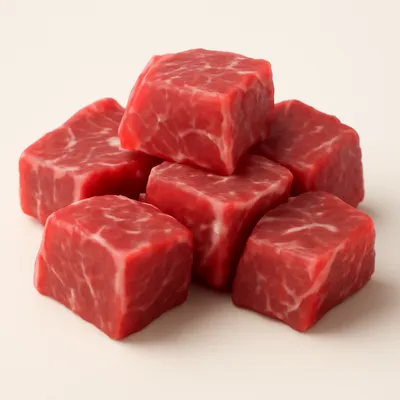

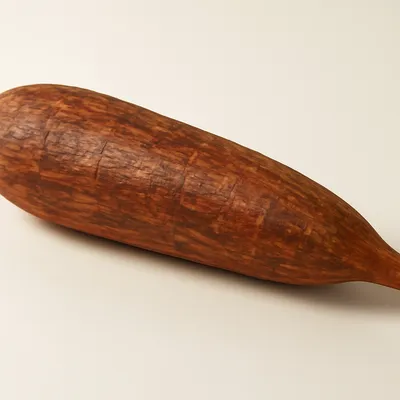


Ajiaco descends from the Taíno people of pre-colonial Cuba, who simmered native tubers with a local chili in a communal clay pot — that chili, ají in Taíno, is what gives the dish its name. Spanish settlers reshaped it after their own stews, keeping the tubers but swapping in fresh beef and pork and adding salt-cured beef (tasajo) carried in by colonial trade; enslaved Africans contributed their own tubers and techniques. (Chinese indentured laborers, who arrived later, are sometimes counted among the dish's influences, but their role was minor next to the Taíno, Spanish, and African strands.) This one-pot melding became a touchstone of national self-understanding: in a 1939 lecture, the Cuban anthropologist Fernando Ortiz cast 'cubanidad' (Cubanness) as an ajiaco — a stew of countless ingredients endlessly added, mingling and dissolving into a common broth, a pot that never finishes cooking — arguing that Cuban identity is not a fixed essence but an ongoing process of mixture, an idea bound up with his concept of transculturation.
Each spoonful is thick and rustic, with tender threads of beef and pork giving way to creamy chunks of root vegetable. The broth tastes deeply savory and faintly sweet from the plantain and calabaza, finished with a bright lift of lime.
Staggering the tubers by hardness keeps each one perfectly tender, while mashing a portion releases starch that thickens the broth into its signature velvety body. Long simmering of multiple meats builds deep collagen-rich savor.
Variations
with pumpkin emphasis (Oriente style), drier 'aporreado' leftovers, all-pork version, added chayote or name yam
On the Palate
Where Ajiaco Cubano sits in the Cuban flavor cloud
Ingredients
Serves 8

How it's made
8 steps · 40 min
- 110 min
Soak dried beef (tasajo) overnight, then boil to soften and shred roughly.
- 260 min
Simmer pork ribs, beef chunks and the tasajo in a large pot of water with a bay leaf for about an hour.
- 315 min
Peel and cut malanga, yuca, boniato and calabaza into large chunks.
- 425 min
Add the hardest tubers first, then the softer ones in stages so all finish together.
Watch outStagger the tubers by hardness — malanga and yuca first, soft boniato and calabaza later — so nothing turns to mush before the rest is even tender.
- 520 min
Drop in corn on the cob and green plantain pieces; cook until tender.
- 610 min
Sauté a sofrito of onion, garlic, pepper and cumin, then stir it into the pot.
- 75 min
Mash a few cooked vegetables against the side to thicken the broth.
Watch outMash a ladleful of the cooked tubers against the pot side until the broth turns velvety and cloudy — that released starch is what thickens it, no flour needed.
- 85 min
Adjust salt, add a squeeze of lime, and serve piping hot.


