台湾夜市的招牌小吃:鲜蚵在铁板上略煎,淋一勺以地瓜粉调成的稀粉浆,打个鸡蛋、铺上一把茼蒿或小白菜,半煎半炸到边缘焦香、中心呈半透明的软Q弹粉皮,最后浇上一层甜中带咸的红色海山酱。


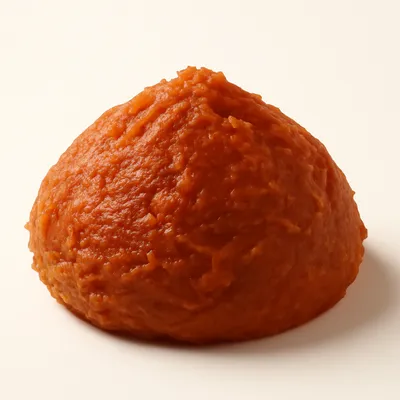
Oyster omelette is eaten all along the southern Chinese coast, but the version Taiwan claims as its own took shape in the island's night markets, where stalls in Shilin, Raohe and the old oyster town of Lukang made it a signature. A well-loved legend credits its invention to Koxinga's troops, said to have fried oysters with sweet-potato starch when the Dutch hid their grain during the 1661 siege of Tainan; this tale is folklore, and several rival origin stories circulate, so historians treat it with caution rather than as fact. What is certain is that abundant farmed oysters and cheap sweet-potato starch from Taiwan's west coast made the dish a street staple.
The first thing you notice is the contrast: lacy, browned edges where the batter met the hot griddle, giving way to a soft, glassy centre that pulls and yields under the teeth, almost gummy in the best way. Plump oysters burst with sea-brine, the egg adds richness, and the crown-daisy greens cut through with a faint herbal bitterness. Over it all runs the sweet, faintly salty red sauce, which is the flavour most people picture when they think of the dish.
The dish lives or dies on the starch. Sweet-potato starch is unusually high in amylopectin, the heavily-branched form of starch; once it gelatinises in the hot pan it sets into a translucent gel that holds plenty of water without weeping, so the centre stays soft and springy (Q) rather than turning dry. That same high-amylopectin batter crisps readily at the edges, where it touches metal directly, which is why the disc ends up lacy and browned outside but glassy and tender within. The oysters are seared first so their surface firms before the wet batter goes on; the egg sets into the gel to bind everything. Cooks often add a little potato starch or in-rice flour to the slurry, the former for a glossier set, the latter for extra crispness.
Variations
The dividing line runs through the batter and the sauce. The Taiwanese night-market style is defined by a generous, late-poured sweet-potato slurry that sets into a translucent springy gel, crown-daisy or bok choy folded in, and the whole disc finished with a sweet, reddish hai-shan sauce built from ketchup, miso, soy paste and sugar; the famous Shilin and Raohe versions run especially sweet and red. The Fujian and Xiamen version uses smaller, brinier oysters and is heavier and plainer, with dry starch dusted straight onto the oysters and a scatter of garlic shoots to finish. The Chaoshan o-luak goes crisper, fried half-floating in oil with the dipping sauce (fish sauce) served on the side. The Singapore-Malaysia orh luak carries more egg, keeps the oysters loose from the omelette, and leans spicy.
On the Palate
Where Taiwanese Oyster Omelette sits in the Taiwanese flavor cloud
Ingredients
Serves 1
How it's made
7 steps · 15 min
- 16 min
Make the hai-shan sauce: warm the water, push the white miso through a sieve into it, stir in the ketchup and sugar and bring to a simmer, then thicken with a little potato-starch slurry until pourable. Set aside.
- 22 min
Mix the batter: whisk the sweet-potato starch (with a little potato starch and in-rice flour if using) into the water until smooth and lump-free.
- 33 min
Rinse the oysters gently and drain well. Wash the crown-daisy greens and shake dry.
- 41 min
Heat lard or oil in a flat pan over high heat, lay in the oysters and sear about 10 seconds until their surface just firms.
Watch outSear the oysters about 10 seconds first, just until their surface firms — this sets them before the wet batter goes on so they don't leak and water down the disc.
- 51 min
Stir the batter and pour it over the oysters; crack the egg on top and break the yolk, then lay the greens over.
- 63 min
Drop to medium-low and half-fry, letting the edges crisp and brown; flip once and cook the other side until the centre is set, translucent and springy.
Watch outHalf-fry over medium-low, letting the edges lace and brown — flip once and cook until the center sets glassy and springy (Q); rush the heat and the middle stays raw-gummy.
- 71 min
Slide onto a plate and pour the warm red hai-shan sauce over the whole omelette. Serve at once.


