Meaty pork ribs slow-simmered in a Chinese-medicine herb pack — angelica, chuanxiong, prepared rehmannia, astragalus, goji and more — laced with rice wine. The broth comes out dark, fragrant, and herbal-sweet rather than bitter. It is one of the most beloved winter-warming bowls of Taiwan's night markets, the steam rising off the stalls of Raohe Street on a cold evening.


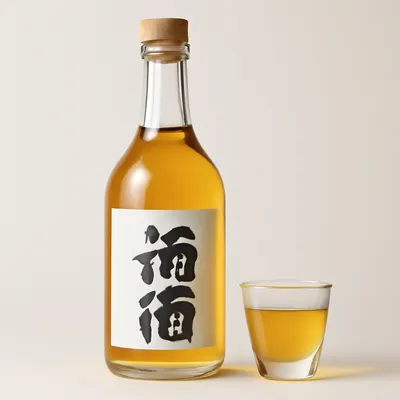


Herbal pork rib soup is a dish particular to Taiwan, born of frugality: in leaner decades families would stew pork bones with medicinal herbs as an affordable way to 'supplement the body,' and over time cooks refined the originally bitter, astringent broth into the fragrant, sweet bowl sold today. It is a fixture of Taiwan's night markets — Taipei's Raohe Street Night Market is especially identified with it, home to a long-running stall documented as the street's first to sell the dish, simmering more than ten herbs over a slow flame. The herb pack is built on the classic 'four-substance' blood tonic of angelica, chuanxiong, prepared rehmannia and white peony, scaled up toward the eight- or ten-ingredient 'complete' formulas. The dish shares a family resemblance with Southeast Asian bak kut teh but uses its own warming, blood-nourishing herbs rather than the peppery, garlicky Nanyang spicing.
The first sniff is pure apothecary — angelica and prepared rehmannia, deep and almost medicinal — but the taste lands sweet and rounded, never bitter. The ribs are fall-tender, the meat sliding off the bone, dipped in a saucer of soy and chili-fermented bean paste. The wine-scented broth is the real prize: drunk scalding, it warms the chest and clears the chill from a winter night.
Long, gentle simmering does the work. Over ninety minutes the heat breaks down the collagen in the rib bones and connective tissue into gelatin, giving the broth its faint body and the meat its fall-apart tenderness. The herbs are bound in a cloth pack and steeped in rice wine before cooking — the wine pulls out their fat-soluble aromatics, and as it simmers uncovered the alcohol cooks off (ethanol boils at 78°C) while the herbs' sugars and the bones' amino acids concentrate, which is what turns a potentially bitter decoction sweet and savory. Keeping the pot at a bare tremble rather than a hard boil prevents the broth from turning cloudy and the herbs from leaching their harsh, bitter notes.
Variations
The herb pack scales with ambition: the 'four-substance' soup is the lean base, while the 'eight-treasure' and 'ten-complete' packs add ginseng, astragalus and more for a richer, more tonic bowl. Many stalls offer a lamb version alongside the pork, and some sell a herbal chicken-leg bowl. Diners dress the ribs with a dip of soy sauce and fermented chili bean paste; a splash more rice wine at the table is common in deep winter.
On the Palate
Where Herbal Pork Rib Soup sits in the Taiwanese flavor cloud
Ingredients
Serves 4

How it's made
6 steps · 15 min
- 16 min
Blanch the pork ribs in boiling water for a few minutes to remove scum, then rinse clean.
Watch outBlanch the ribs until the scum rises, then rinse clean — this pulls out the blood and off-smell that would cloud the clear broth.
- 210 min
Rinse the herb pack and steep it in a little rice wine for about ten minutes.
- 33 min
Put the ribs, the herb pack, and the rice wine into a pot and add water to cover.
- 42 min
Bring to a boil over high heat, then immediately lower to a bare simmer.
- 590 min
Cover loosely and simmer gently for 1.5 hours, until the ribs are fall-tender and the broth is fragrant and sweet.
Watch outKeep the pot at a bare tremble, not a hard boil — gentle heat melts the collagen and keeps the broth clear and sweet, where a rolling boil turns it cloudy.
- 63 min
Discard the herb pack, season with a little salt, and serve hot with a dip of soy sauce and fermented chili bean paste.