A thick, glossy bowl of fine reddish-brown wheat misua suspended in a starch-thickened broth, studded with plump oysters, braised pork intestine, or both. The strands are cut short and eaten with a spoon, the half-soup half-sauce broth clinging to every bite, then brightened at the table with dark vinegar, garlic paste, and cilantro, with chili for those who want it. Many stalls run the oyster-and-intestine version together.



Oyster vermicelli is a popular noodle snack across Fujian and Taiwan, built on misua, the hair-thin wheat noodle. Taiwanese stalls favor red misua, the steam-dried, faintly caramel-colored kind, and split into two camps: the clear school that leaves the broth thin, and the thick school that thickens it into a semi-soup. The thick, oyster-or-intestine bowl is the one most associated with Taiwan's streets. Its best-known name is Ay-Chung in Ximending, Taipei, open since 1975 and famous specifically for the intestine version, queues forming at a stall with no seats where people eat standing up. The dish is judged by the size and freshness of the oysters and the care taken braising the intestine.
The broth is the texture: thick and glossy, more sauce than soup, sliding off the spoon in a smooth sheet. The misua strands are short and soft, almost melting, so the whole bowl is eaten by spoon rather than chopsticks. The oysters come briny and just-set, plumped and barely firm, the braised intestine soft with a faint chew. A splash of dark vinegar sharpens the richness, raw garlic paste lifts the whole thing, and cilantro cuts through; chili adds a low burn underneath.
Red misua is the key. Because it is salted and steam-dried during making, it is effectively pre-cooked and far sturdier than white misua, so it holds its shape in a hot, thickened broth instead of dissolving into paste. The glossy body comes from starch thickening: sweet potato starch at stalls, potato starch at home, stirred in so the amylose and amylopectin swell and trap water into a clinging gel. The oysters are dusted in sweet potato starch and only blanched, not boiled hard, so the coating shields them and they plump and stay tender rather than shrinking and toughening. The dark vinegar goes in at the very end and off the heat, because its aromatics are volatile and long boiling drives them off, dulling the lift.
Variations
The main fork is the topping: oyster only, intestine only, or the two together. Pork intestine has to be cleaned and braised soft beforehand, and its quality and proportion make or break the bowl. Broth styles run from the thin clear school to the heavily thickened. Stocks vary, often built on dried bonito and a little fried shallot, sometimes with bamboo shoot. Common finishes besides dark vinegar, garlic, cilantro, and chili include a touch of chili oil or, in some shops, minced pork or meatballs added alongside.
On the Palate
Where Oyster Vermicelli sits in the Taiwanese flavor cloud
Ingredients
Serves 4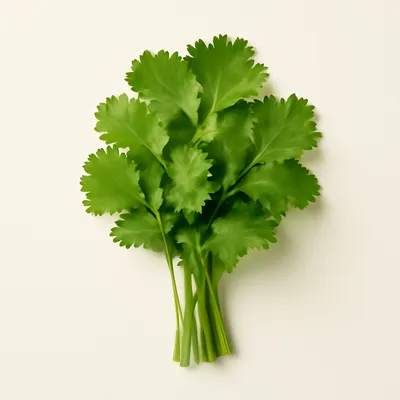

How it's made
7 steps · 20 min
- 140 min
Clean and braise the pork intestine until tender, then cut into bite-size pieces; set aside (skip if making oyster-only).
- 24 min
Toss fresh oysters in sweet potato starch to coat, then blanch briefly in simmering water just until they plump; lift out and reserve.
Watch outCoat the oysters in sweet potato starch and blanch just until they plump — the starch shields them; a hard boil shrinks them tough.
- 38 min
Bring the stock to a simmer, add the short-cut red misua, and cook gently until the strands are soft.
- 45 min
Stir a slurry of sweet potato or potato starch into the broth and simmer, stirring, until it turns glossy and thick like a light gravy.
Watch outStir in the starch slurry until the broth turns glossy and thick like a light gravy — that clinging body is what carries the misua instead of a thin soup.
- 53 min
Return the oysters and braised intestine to the pot and warm through without boiling hard.
- 61 min
Take off the heat and stir in dark vinegar, then ladle into bowls.
Watch outStir in the dark vinegar off the heat — its bright aroma flashes off if it boils, so add it after the pot comes down.
- 72 min
Top with garlic paste, cilantro, and chili to taste, and serve hot with a spoon.

