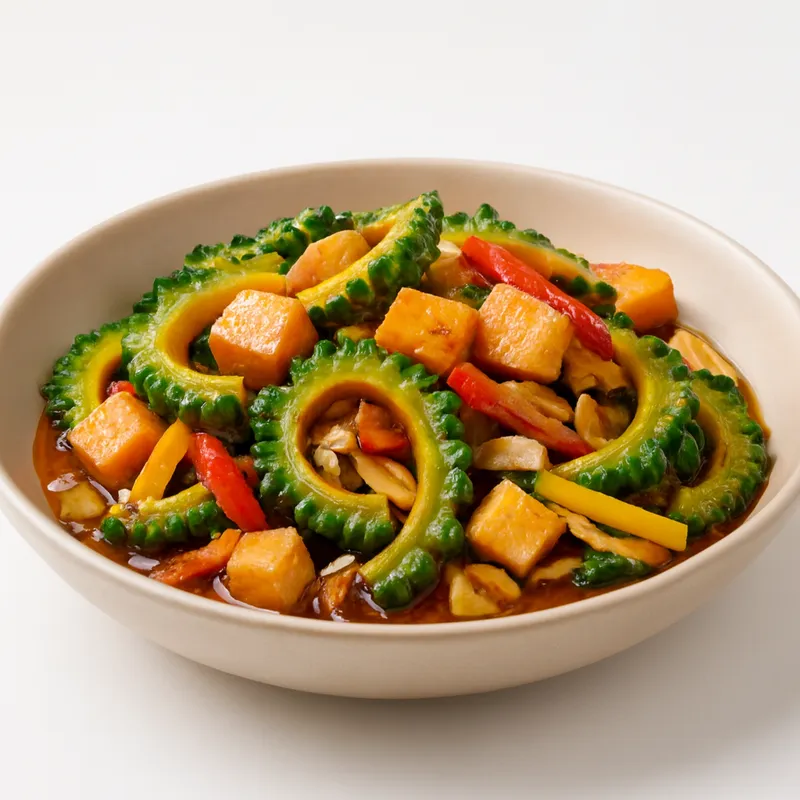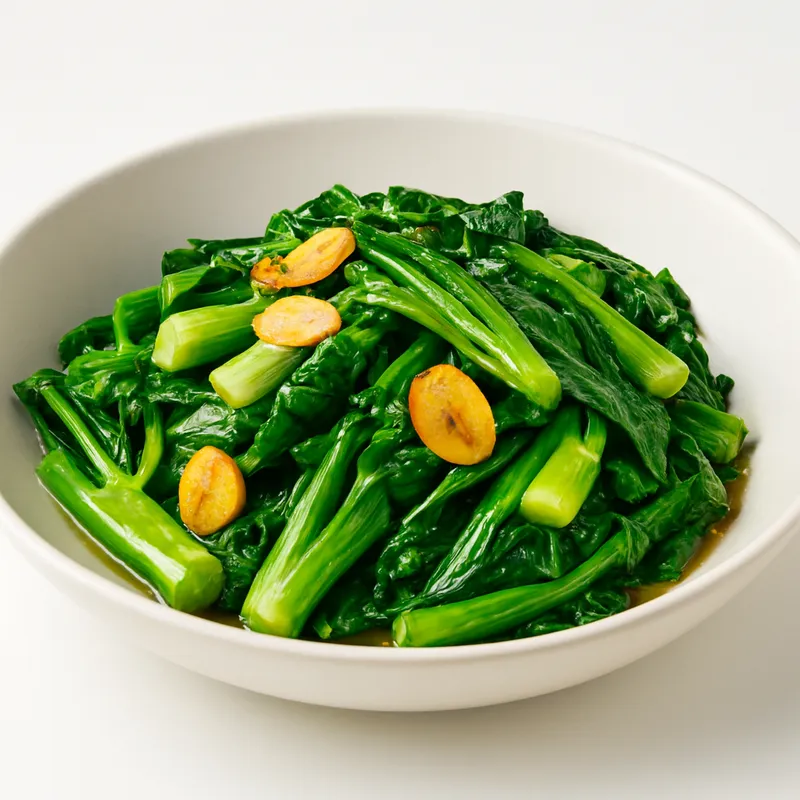
Stir-frying
Quickly tossing ingredients over high heat in a wok releases the 锅气, a hallmark of Chinese cuisine.
Traditions
Stir-frying is believed to have originated during the Han Dynasty, around the first century CE, in the southern regions of China. The technique emerged as a practical solution for fuel conservation; minimal oil and the ability to cook quickly over high heat made it efficient during times when resources were scarce. The southern climate, with its array of fresh, quick-cooking vegetables, was ideal for this method, allowing ingredients to retain their vibrant colors and crisp textures.
As trade routes expanded during the Tang and Song Dynasties, stir-frying spread across China and beyond, influenced by local tastes and available ingredients. In Southeast Asia, for example, the technique was embraced and adapted with local spices and produce, creating unique regional stir-fries. Unlike Western sautéing, stir-frying relies on the unique shape and heat retention of the wok, which ensures even cooking and the development of that elusive 锅气.
What happens
Stir-frying involves rapidly cooking small, evenly-sized pieces of meat and vegetables in a thin layer of oil, over high heat, typically in a wok. The key is to keep the ingredients moving with quick, decisive flicks of the wrist, ensuring each piece is kissed by the heat without becoming soggy. The aromas of garlic and ginger often waft up first, signaling the beginning of a delicious transformation.
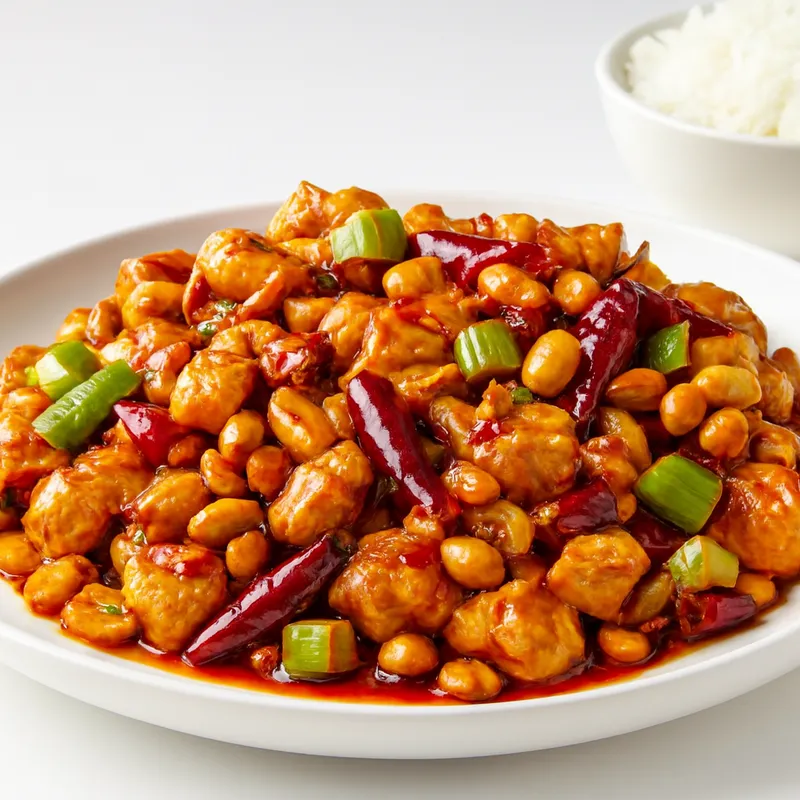
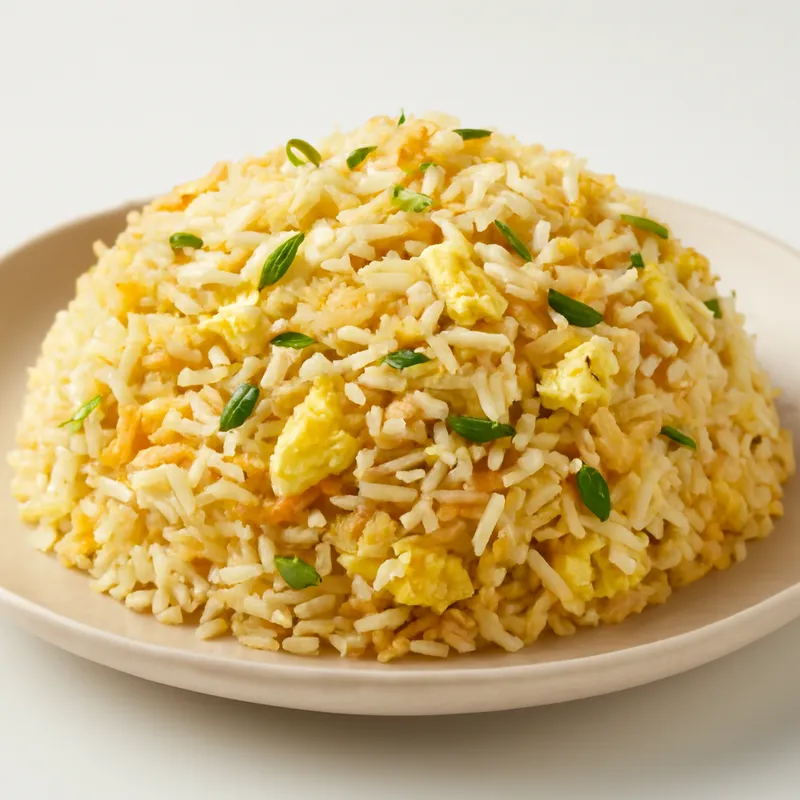
This technique imparts a smoky, savory depth to dishes like Kung Pao Chicken and Egg Fried Rice, allowing the natural flavors to shine through while achieving a distinct texture. The test for 'done' is when the vegetables are tender yet crisp, and the proteins are seared just right, creating a harmony of flavors and a hint of the elusive 锅气.