Russian caviar — sturgeon or salmon roe, served simply on buttered white bread or blini with sour cream. The world's most famous luxury appetizer.



Russia's Caspian Sea coast (Astrakhan) has been the world's primary source of sturgeon caviar for centuries. Beluga, osetra, and sevruga are the three main sturgeon varieties, each producing differently sized and flavored roe. Overfishing has made wild sturgeon caviar astronomically expensive; farmed alternatives are now common.
A small spoonful of glistening black (sturgeon) or orange (salmon) pearls on buttered bread. Each pearl bursts on the tongue, releasing a briny, creamy, deeply oceanic flavor. Simple, primal, unforgettable.
Roe pearls are individual eggs surrounded by membranes. Pressure on the tongue ruptures the membranes, releasing the lipid-rich, glutamate-rich contents. Curing in salt (3-5%) preserves the roe while enhancing its umami character through protein breakdown.
Variations
Beluga (largest, most expensive), osetra (medium, nutty), sevruga (smallest, intense); salmon roe (red, larger, more accessible).
On the Palate
Where Ikra sits in the Russian flavor cloud
Ingredients
Serves 4How it's made
5 steps · 10 min active + 5 min waiting
- 15 min
Chill serving plates.
- 22 min
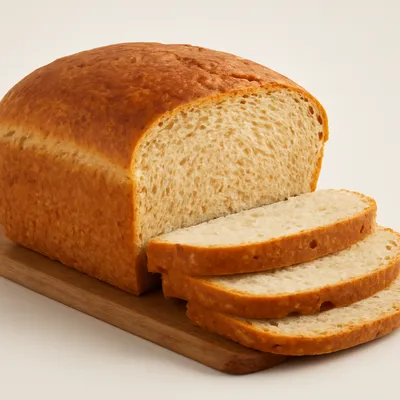
Spread butter thinly on white bread slices or blini.
- 31 min
Place a small spoonful of caviar on top.
- 41 min
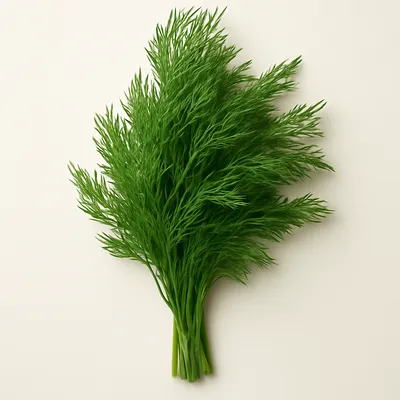
Garnish with a tiny dollop of sour cream and a sprig of dill.
- 51 min
Serve immediately with ice-cold vodka.


