
Open-faced rye dough boats filled with mashed potato and brushed with butter — Karelian peasant baking from the Pomor north.

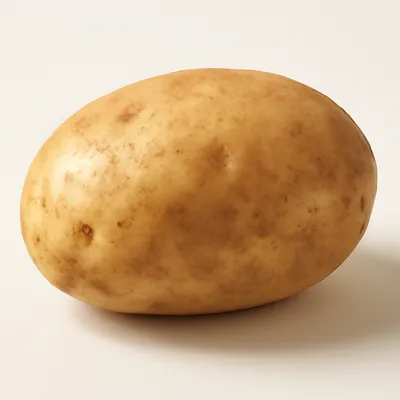



Kalitki (калитки) come from the Pomor north — Karelia, the borderlands with Finland, where rye flour and potatoes are pantry staples. The thin oval dough cases are pinched around the edges so the filling shows through the middle. Traditionally brushed with melted butter while still warm and served with sour cream and a hot drink. The Karelian name is 'kalitt'.
Tiny rye-flour pastries filled with potato, porridge, or berries from Russia's far north — the crust is dense and grain-forward, the filling sweet or savory by season.
Karelian-Russian rye flour is whole-grain and unbleached — the high bran content produces a denser, more flavorful crust than white-wheat. The filling is added cold to a partially-baked crust, then re-baked, creating two textures.
Variations
Northern Russian kalitki use rye and potato; Karelian version uses barley flour; Finnish karjalanpiirakka is the cousin — three rye pastries.
On the Palate
Where Kalitki sits in the Russian flavor cloud
Pinch the rye ovals into open boats that leave the filling exposed — the point of kalitki is the contrast between the crisp browned edges and the soft potato that bakes uncovered in the middle.
Ingredients



How it's made
6 steps · 1 hour 30 min
- 130 min
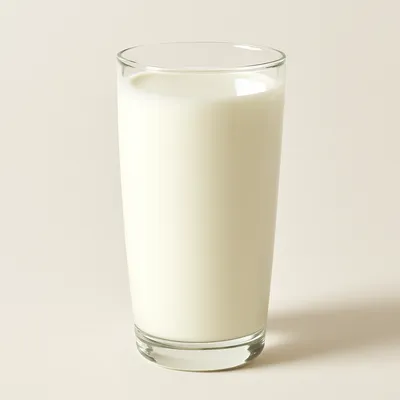
Mix 200g rye flour with 100g wheat flour, 1 tsp salt, 100ml milk and 50g sour cream into a stiff dough. Rest 30 minutes covered.
Watch outThe dough should feel stiff and dry, not tacky — too wet and the open boats slump flat in the oven.
- 215 min
Boil 4 medium potatoes; mash with 50g butter, 100ml warm milk, ½ tsp salt — should be smooth and spoonable.
- 35 min
Divide dough into 12 balls. Roll each into a thin oval 10cm long, 6cm wide.
- 45 min
Place a tablespoon of mashed potato in the center of each oval. Pinch the long edges in to form an open boat, leaving the filling visible.
Watch outPinch only the two long edges up and leave the center wide open — sealing it over turns a kalitka into an ordinary pasty.
- 525 min
Bake at 220°C for 12-15 minutes until edges are crisp and the potato top is lightly browned.
Watch outReady when the pinched edges are crisp and freckled brown and the potato top has caught a little color.
- 615 min
Brush each kalitka generously with melted butter while still hot. Serve warm with sour cream.
Archive tool suggestions — not reviewed
These legacy suggestions have not been evidence-reviewed and are not presented as required tools.


