Buttery shortbread biscuits with sand-grain texture, no leavening, traditionally cut into 'petticoat tails' or fingers — Scotland's tea-time export.



Shortbread descended from medieval 'biscuit bread' twice-baked to drive out moisture for storage. By the 16th century, Scottish bakers had replaced the yeast with butter to create the crumblier modern shortbread; Mary Queen of Scots was reportedly fond of 'petticoat tails' — round shortbread cut in wedges shaped like the hooped underskirts of her era. Walker's Shortbread (founded 1898) made it a global brand.
Snap a finger of shortbread: the break is crumb-and-grain, releasing buttery aroma. The first bite dissolves on the tongue into pure butter-and-sugar; the second reveals the cornflour's silken texture. Tea makes it sing.
Shortbread's signature crumb comes from the 1:2:3 ratio of sugar:butter:flour — the high fat content (40%) prevents gluten development entirely, so the dough crumbles instead of stretches. Cornflour replaces some wheat flour to soften the texture further; without it, the shortbread would taste mealy.
Variations
Walker's brand uses pure butter shortbread; Petticoat Tails cut into round wedges; Pitcaithly Bannock adds candied peel and almonds — three Scottish shortbread shapes.
On the Palate
Where Shortbread sits in the British flavor cloud
Ingredients
Serves 12How it's made
5 steps · 20 min active + 1 hour 10 min waiting
- 13 min
Cream 250g unsalted butter with 100g caster sugar until pale, 3 min.
Watch outCream the butter and sugar until pale and fluffy — this is the only air the dough gets; stop while it's still gritty and the crumb comes out dense.
- 25 min
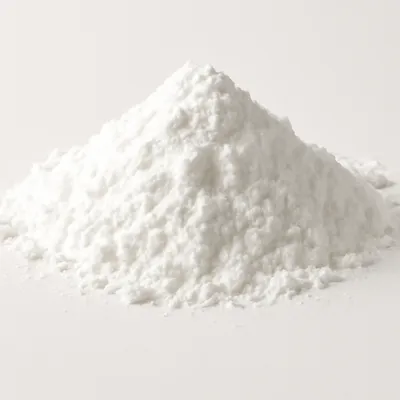
Sift 300g plain flour and 50g cornflour together. Add to butter mix; stir to combine without overworking.
Watch outStir just until the flour disappears — work it any longer and the gluten wakes up, trading the crumbly melt for a tough, chewy bite.
- 332 min
Press dough into a 23cm round tin or shape into a long rectangle 1.5cm thick. Prick all over with fork. Chill 30 min.
- 440 min
Bake at 160°C for 35-40 min until pale gold (not browned).
Watch outPull it at pale gold, never browned — shortbread should look barely baked; a tan crust means it's overdone and will taste dry.
- 510 min
Cool 10 min, dust with caster sugar, score into wedges or fingers while still warm. Cool completely on rack.
Watch outScore into fingers while still warm — wait until it cools and the brittle slab shatters instead of cutting cleanly.
Archive tool suggestions — not reviewed
These legacy suggestions have not been evidence-reviewed and are not presented as required tools.