
Dutch syrup-waffles (stroopwafel) — two thin, crisp spiced wafers sandwich a sticky brown-sugar-and-cinnamon caramel-syrup filling. Eaten by balancing on a hot cup of coffee so the rising steam softens the syrup before biting. Born in Gouda as a cheap market treat — the 'poor man's cookie' — it is now the iconic Dutch souvenir and the universal Amsterdam-airport snack.





The stroopwafel originated in Gouda, in the Dutch province of South Holland, and is generally credited to local baker Gerard Kamphuisen. As the story goes, he wanted to use up leftover bread crumbs and bakery scraps: he bound them with syrup into a dough, pressed it thin on a hot waffle iron, split the warm round into two layers, and glued them back together with a thick caramel syrup. Kamphuisen opened his own bakery in 1810, the year often cited as the cookie's birth — though food historians place its appearance broadly between the late 18th and early-to-mid 19th century, and the oldest known recipe was not recorded until around 1840. The syrup filling (Dutch: stroop) is a thick caramel-spice paste of brown sugar, butter and cinnamon, sometimes with treacle. Gouda once had over a hundred stroopwafel bakers; cheap and beloved, it was known as the 'poor man's cookie' (arme mensen koek), sold by the piece at markets. Dutch tradition: rest a stroopwafel over a hot cup of coffee or tea for 30–60 seconds so the steam softens the syrup, making the cookie warm and pliable.
A warm stroopwafel is one of the most pleasurable bites in Dutch food. First bite (warmed over coffee): the thin crispy wafer crackles, then yields to a gooey syrup-caramel filling almost liquid from the steam. The cinnamon and clove are immediately recognizable; the syrup is dark, deep, slightly bitter from caramelization. The wafer carries spice and sweetness without being cloying. A cold stroopwafel is good; a warmed one is transcendent. Pair with strong Dutch coffee for the full canonical experience. The Gouda market stroopwafels — fresh, still slightly warm from the iron — are the gold standard.
Two key principles: (1) The wafer must be rolled paper-thin so the cookie is mostly syrup; thick wafers throw off the ratio. (2) The syrup is spread while warm and slightly fluid; it firms up at room temperature but can be re-softened by the coffee-cup steam trick. The 'place-over-coffee' eating technique is functional: the heat liquefies the syrup, making it more flavorful and pliable. Without this step, a cold stroopwafel is still good but slightly more brittle. Brown sugar provides molasses depth; cinnamon and cloves are the canonical spice signature (sometimes also nutmeg).
Variations
Gouda original (the classic recipe in the Kamphuisen tradition); mini-stroopwafels for ice-cream toppings; chocolate-covered (modern variation); maple-syrup version (non-traditional); gluten-free with rice flour. The cookie is now exported widely — IKEA, supermarkets and online retailers all carry mass-market versions — but fresh-made from market stalls is markedly better than store-bought.
On the Palate
Where Stroopwafel sits in the Dutch flavor cloud
Ingredients
Serves 8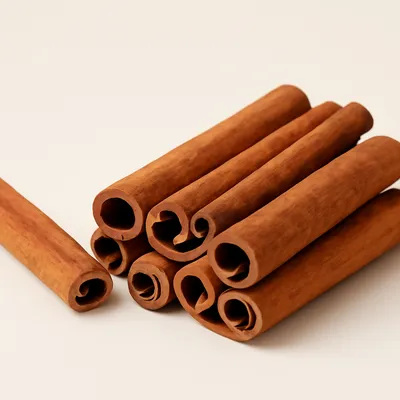

How it's made
8 steps · 50 min active + 25 min waiting
- 140 min
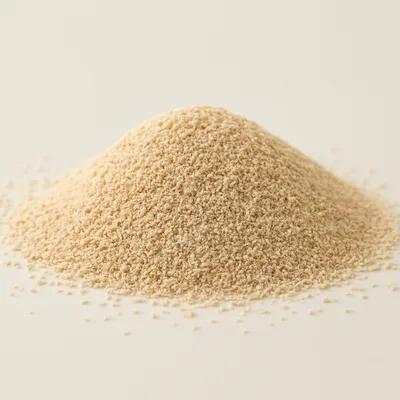
Make dough: combine 250g all-purpose flour + 50g brown sugar + 1 tsp cinnamon + 1/2 tsp salt + 100g softened butter + 1 egg + 1 tsp dry yeast (dissolved in 50ml warm milk). Knead 8 min until smooth. Cover; rest 30 min.
- 25 min
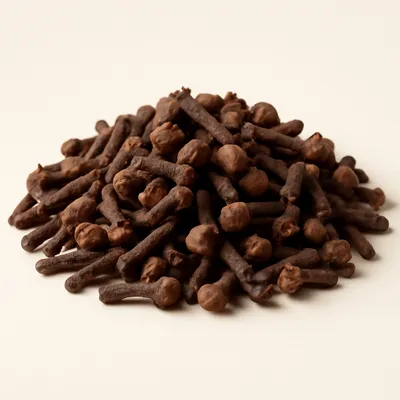
Make syrup filling: in a saucepan combine 200g packed dark brown sugar + 80g butter + 80g treacle/molasses (or use all brown sugar) + 2 tsp ground cinnamon + 1/2 tsp ground cloves + 1/4 tsp salt. Heat over low, stirring until smooth. Cool slightly (it should be spreadable, not runny).
- 35 min
Heat a pizzelle / waffle iron with shallow grid pattern (or use a thin waffle iron set on shallow). Preheat per machine instructions.
- 43 min
Divide dough into 16 balls (~25g each). Place one ball in the iron center; close. Cook 60-90 sec until light golden — DON'T over-bake; the wafer should still be slightly soft.
Watch outPull each wafer at pale gold, 60–90 seconds — it should still give slightly; bake it crisp and you can't split it for the syrup.
- 53 min
Immediately upon removal: while warm, cut each waffle in half horizontally with a sharp serrated knife (working quickly — the wafer hardens fast).
Watch outSplit each hot wafer the moment it's out, working fast — it hardens within seconds and then shatters instead of slicing.
- 65 min
Spread 1-2 tbsp warm syrup on the cut side of one wafer half; sandwich with another half. Press gently. The syrup should ooze slightly at the edges. Repeat for all wafers.
Watch outSpread the syrup while it's still warm and spreadable and press gently until it just oozes at the rim — too runny and it slides out, too cool and it won't stick.
- 715 min
Cool on a wire rack until firm but still pliable. Store in airtight container.
- 81 min
Serve: place a stroopwafel over a hot coffee or tea cup; let warm 30-60 seconds; eat warm. The syrup will be soft and the wafer slightly chewy.
Archive tool suggestions — not reviewed
These legacy suggestions have not been evidence-reviewed and are not presented as required tools.


