
Belgian spice cookies — thin, crispy, deeply-browned cookies flavored with cinnamon, ginger, cloves, nutmeg, and white pepper, sweetened with brown sugar and traditionally pressed into carved wooden molds depicting Saint Nicholas, windmills, or Flemish folk scenes. Eaten with coffee throughout the year and given as gifts on Saint Nicholas Day (December 6). The cookie that became the global Lotus-brand 'Biscoff.'




Speculoos has been baked in the Low Countries (Belgium + Netherlands) since the 17th century, originally as a Christmas/Saint Nicholas cookie shaped in carved wooden molds. The name comes from Latin 'speculum' (mirror) — referring to the carved mold creating a relief image. Antwerp and Bruges have been historic speculoos production centers. The Lotus Bakeries company in Lembeke (East Flanders) industrialized speculoos production starting in 1932 and built the global 'Biscoff' brand from this single Belgian biscuit recipe. The spice mixture is the technical centerpiece — typically more cinnamon-forward than gingerbread, with subtle clove and white pepper as the distinguishing factors. Belgian families bake speculoos for Sinterklaas (Saint Nicholas) on December 6 and serve them throughout Advent.
Speculoos is the Belgian morning cookie. The first bite: a sharp snap as the cookie breaks (it must be crisp — soft speculoos is wrong), then concentrated brown-sugar caramelization, then cinnamon-clove-nutmeg-ginger spice that reads as 'Christmas in a cookie.' The spice is balanced, not aggressive — you taste cinnamon first, then clove deepening it, then a subtle warming pepper at the back. Each bite is thin enough to be elegant, dense enough to satisfy. Dip in hot coffee: the cookie absorbs in seconds, becoming briefly soft on the outside while staying crisp at the center — Belgians call this the 'half-second-test.' Eat with a Trappist beer or a coffee. Christmas Saint Nicholas all year.
Speculoos achieves crispness via three factors: (1) high sugar content (1:1 sugar:flour ratio, vs 1:3 for normal cookies) — sugar caramelizes and creates the crisp set; (2) very thin dough rolled to 4mm — the cookie dries through completely during bake; (3) high baking temperature (175°C) with moderate time (12-14 min) — fast enough to set the structure before excess browning. The spice blend's reliance on cinnamon as the dominant note is the technical hallmark — too much clove makes it harsh, too much ginger makes it gingerbread. The brown sugar (vs white) provides molasses depth + acidity that the spices need to bloom against.
Variations
Antwerp canonical (thin, crispy, no almond); Brussels variation includes whole almonds on top; Dutch 'speculaas' is thicker and softer (slightly different cookie); 'Spekulatius' German version is similar; modern Lotus Biscoff is the industrial mass-market form; gluten-free version uses almond flour + rice flour mix; chocolate-covered speculoos (commercial); speculoos paste/butter (spreadable form) became globally popular in the 2010s; the molds themselves are collectible — antique Belgian wooden speculoos molds fetch high prices.
On the Palate
Where Speculoos sits in the Belgian flavor cloud
Ingredients
Serves 8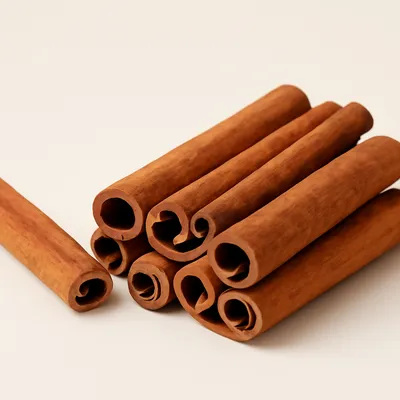




How it's made
11 steps · 30 min active + 45 min waiting
- 13 min
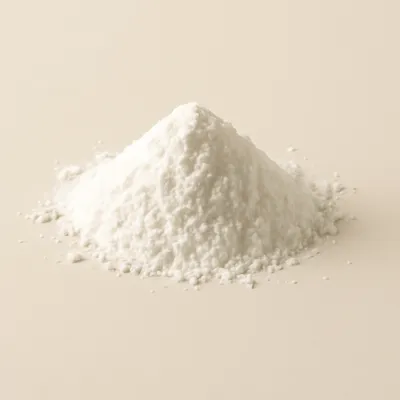
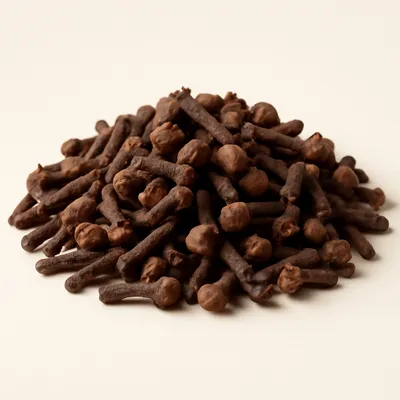
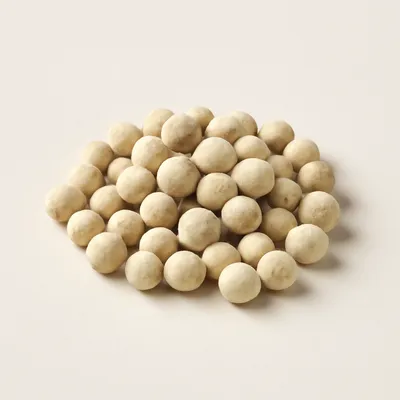
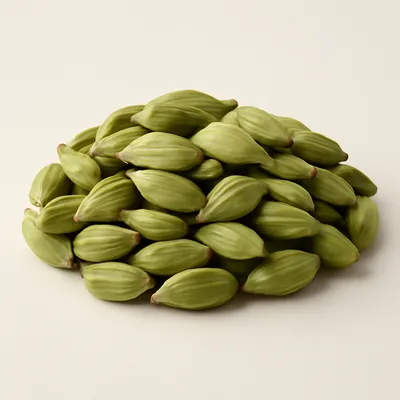
Make the speculoos spice mix: in a small bowl combine 2 tbsp ground cinnamon + 1 tsp ground ginger + 1/2 tsp ground cloves + 1/2 tsp ground nutmeg + 1/4 tsp ground white pepper + 1/4 tsp ground cardamom + 1/4 tsp ground anise. This is the canonical 'speculaaskruiden' blend.
- 25 min
In a large bowl beat 200g unsalted butter (softened) + 200g packed dark brown sugar with an electric mixer until light and fluffy, 4-5 min.
Watch outBeat the butter and brown sugar until pale and fluffy — this whipped-in air is what keeps the thin cookie from baking dense and hard.
- 32 min
Beat in 1 large egg + 2 tbsp milk + 1 tsp vanilla extract until smooth.
- 42 min
In a separate bowl whisk together 350g all-purpose flour + 1 tsp baking powder + 1/2 tsp salt + 2 tbsp of the speculoos spice mix (use the rest for storage or other applications).
- 52 min
Add the dry ingredients to the butter mixture; mix on low speed until just combined — do not overmix.
- 650 min
Form the dough into a flat disc; wrap in plastic; refrigerate at least 45 min (or overnight). The dough should be firm but pliable for rolling.
- 75 min
Preheat oven to 175°C. Line 2 baking sheets with parchment.
- 88 min
Roll out the dough on a lightly-floured surface to 4mm thickness. Cut into rectangles (~5×7cm) OR press into traditional speculoos molds (oiled and floured); invert onto baking sheet.
Watch outRoll the dough to an even 4mm — thin enough to dry out and snap crisp; thick spots stay soft and cakey in the middle.
- 91 min
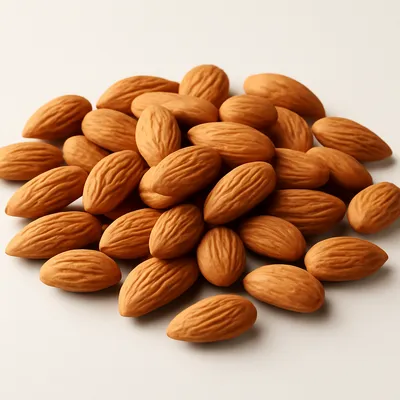
Optional: brush tops lightly with milk + 1 tbsp brown sugar mixture for extra-glossy finish; or press a sliced almond into each.
- 1014 min
Bake 12-14 min until the edges are deep golden-brown but centers are still slightly soft (cookies firm up as they cool). Cool 5 min on the sheet; transfer to wire rack to cool completely.
Watch outPull them when the edges are deep golden but the centers still feel soft — they firm up as they cool, so waiting for a hard center overbakes them.
- 113 min
Speculoos keeps in an airtight tin 3 weeks. Eat with hot coffee, with a tall glass of milk, or crumbled over Greek yogurt. Belgian morning ritual: dip a speculoos into hot coffee for 2 seconds and eat immediately.
Archive tool suggestions — not reviewed
These legacy suggestions have not been evidence-reviewed and are not presented as required tools.

Flat rectangular metal pan (sheet pan, half-sheet, quarter-sheet), 33×23 cm to 45×33 cm, with a low rim. The flat surface gives even heat for cookies, biscuits, roasted vegetables, sheet-pan dinners. Heavy aluminum sheets conduct heat fastest; non-stick coatings make cleanup easier but can warp over 200°C; rimmed half-sheet is the modern American restaurant standard.

Hand-held wire loop tool for beating eggs, whipping cream, emulsifying dressings, and incorporating air into batters. Balloon whisks (large round head) for whipping cream and meringues; French whisks (narrow tear-drop) for sauces in pots; flat whisks (gravy) for pan sauces. Stainless steel is universal; silicone-coated for non-stick pans.