
Seychelles coconut candy — fresh grated coconut cooked with brown sugar, vanilla, ginger, and a pinch of salt until the mixture caramelizes into a sticky-chewy mass; shaped into small balls or rounds and cooled. The universal Seychellois coconut sweet, sold from kiosks alongside ladob and grilled fish.
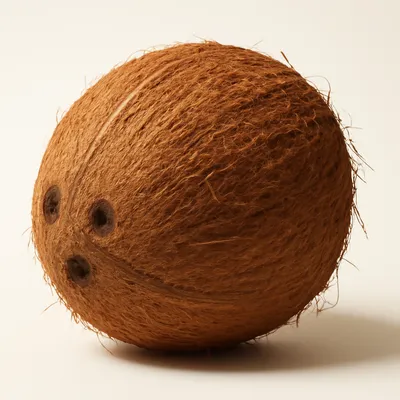



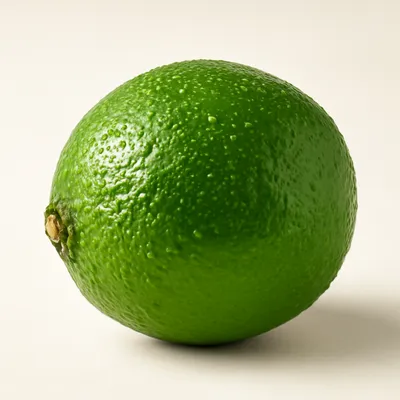

Bonbon coco is the simplest Seychellois sweet — made when fresh coconuts are abundant (which is most of the year). Coconut palms grow in every village and coconut milk is everywhere. Children get bonbon coco after school; adults eat them with coffee. The recipe is unchanged from the colonial era.
Pop a bonbon coco — slightly soft to bite, chewy-sticky, with crystalline sugar edges. Caramel hits first, then coconut's rich fat, then ginger warmth, then vanilla aromatic finish. Each ball is one or two bites. With strong coffee, the bonbon is a Seychellois afternoon. The texture is unique — neither chewy candy nor crunchy candy, but somewhere in between.
The chewy-not-brittle texture comes from stopping at the hard-ball candy stage (about 118-125°C): enough residual moisture remains for the mass to stay pliable and to roll into balls, setting into a chewy candy rather than a hard one — cook past about 150°C (hard-crack) and it turns brittle. Meanwhile sucrose at the hotter pan edges caramelizes around 160°C, dehydrating into water-soluble caramelan (C12H18O9) plus the polymers caramelen and caramelin, which give the brown color and the toasted, faintly bitter note. The fresh coconut (about 50% water) supplies moisture for cooking the sugar while its fat and fiber form the body of the candy; desiccated coconut plus water gives an equivalent result. Constant stirring prevents scorching and breaks up crystals for a smooth, even set.
Variations
Chocolate bonbon coco adds 30 g cocoa powder. Lime bonbon coco adds zest and juice of 1 lime. Spicier version adds extra ginger and a pinch of cinnamon. Modern restaurant version dips one side in chocolate.
On the Palate
Where Bonbon Coco sits in the Seychellois flavor cloud
Ingredients
Serves 8How it's made
10 steps · 30 min active + 15 min waiting
- 16 min
Grate fresh coconut: 400 g fresh coconut meat, finely grated. (Or use 300 g desiccated unsweetened coconut + 100 ml hot water to rehydrate.)
- 24 min
In a heavy-bottomed pot, combine grated coconut + 200 g brown sugar (or palm sugar/jaggery) + 1 tbsp grated fresh ginger + 1 vanilla bean (seeds scraped) + ¼ tsp salt + 100 ml water.
- 33 min
Bring to a simmer over medium heat, stirring constantly with a wooden spoon.
- 414 min
Cook 12-15 min, stirring continuously — the mixture will go from wet, to thickening, to pulling away from the sides of the pot. It's done when the mixture leaves a clean trail behind the spoon.
Watch outStir nonstop and stop the moment the mixture pulls from the sides and leaves a clean trail behind the spoon — that's the chewy stage; go further and it sets rock-hard.
- 51 min
Remove from heat. Stir in 1 tsp lime zest (optional, brightens).
- 65 min
Cool 5 min (still warm enough to shape but not burning hot).
Watch outCool about 5 min before shaping — still warm enough to roll but no longer scalding; roll it too hot and it burns your hands and slumps.
- 78 min
Wet hands; shape mixture into small balls (about 2-cm diameter, 20-25 balls). Or press into a buttered tray and cut into squares after cooling.
- 83 min
Roll balls in additional desiccated coconut for a coated finish (optional).
- 912 min
Cool completely on parchment paper.
- 101 min
Store in airtight container; keeps 1 week at room temperature.


